 AIDS (acquired immunodeficiency syndrome) was first reported in the United
States in 1981 and has since become a major worldwide epidemic. AIDS is caused
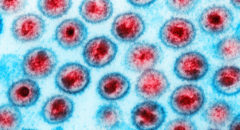
by HIV (human immunodeficiency virus). By killing or damaging cells of the
body’s immune system, HIV progressively destroys the body’s ability to fight
infections and certain cancers. People diagnosed with AIDS may get
life-threatening diseases called opportunistic infections, which are caused by
microbes such as viruses or bacteria that usually do not make healthy people
sick.
More than 900,000 cases of AIDS have been reported in the United States since
1981. As many as 950,000 Americans may be infected with HIV, one-quarter of whom
are unaware of their infection. The epidemic is growing most rapidly among
minority populations and is a leading killer of African-American males ages 25
to 44. According to the Centers for Disease Control and Prevention (CDC), AIDS
affects nearly seven times more African Americans and three times more Hispanics
than whites. In recent years, an increasing number of African-American women and
children are being affected by HIV/AIDS. In 2003, two-thirds of U.S. AIDS cases
in both women and children were among African-Americans.
TRANSMISSION
HIV is spread most commonly by having unprotected sex with
an infected partner. The virus can enter the body through the lining of the
vagina, vulva, penis, rectum, or mouth during sex.
Risky behavior
HIV can infect anyone who practices risky behaviors such as

- Sharing drug needles or syringes
- Having sexual contact, including oral, with an infected person without using
a condom - Having sexual contact with someone whose HIV status is unknown
Infected blood
HIV also is spread through contact with infected blood. Before donated blood
was screened for evidence of HIV infection and before heat-treating techniques
to destroy HIV in blood products were introduced, HIV was transmitted through
transfusions of contaminated blood or blood components. Today, because of blood
screening and heat treatment, the risk of getting HIV from such transfusions is
extremely small.
Contaminated needles
HIV is frequently spread among injection drug users by the sharing of needles
or syringes contaminated with very small quantities of blood from someone
infected with the virus.
It is rare, however, for a patient to give HIV to a health care worker or
vice-versa by accidental sticks with contaminated needles or other medical
instruments.
Mother to child
Women can transmit HIV to their babies during pregnancy or birth.
Approximately one-quarter to one-third of all untreated pregnant women infected
with HIV will pass the infection to their babies. HIV also can be spread to
babies through the breast milk of mothers infected with the virus. If the mother
takes certain drugs during pregnancy, she can significantly reduce the chances
that her baby will get infected with HIV. If health care providers treat
HIV-infected pregnant women and deliver their babies by cesarean section, the
chances of the baby being infected can be reduced to a rate of 1 percent. HIV
infection of newborns has been almost eradicated in the United States due to
appropriate treatment.
You May Also Like

A study sponsored by the National Institute of Allergy and Infectious
Diseases (NIAID) in Uganda found a highly effective and safe drug for preventing
transmission of HIV from an infected mother to her newborn. Independent studies
have also confirmed this finding. This regimen is more affordable and practical
than any other examined to date. Results from the study show that a single oral
dose of the antiretroviral drug nevirapine (NVP) given to an HIV-infected woman
in labor and another to her baby within 3 days of birth reduces the transmission
rate of HIV by half compared with a similar short course of AZT
(Azidothymidine). For more information on preventing transmission from mother to
child, go to http://aidsinfo.nih.gov/guidelines.
Saliva
Although researchers have found HIV in the saliva of infected people, there
is no evidence that the virus is spread by contact with saliva. Laboratory
studies reveal that saliva has natural properties that limit the power of HIV to
infect, and the amount of virus in saliva appears to be very low. Research
studies of people infected with HIV have found no evidence that the virus is
spread to others through saliva by kissing. The lining of the mouth, however,
can be infected by HIV, and instances of HIV transmission through oral
intercourse have been reported.
Scientists have found no evidence that HIV is spread through sweat, tears,
urine, or feces.
Casual contact
Studies of families of HIV-infected people have shown clearly that HIV is not
spread through casual contact such as the sharing of food utensils, towels and
bedding, swimming pools, telephones, or toilet seats.
HIV is not spread by biting insects such as mosquitoes or bedbugs.
Sexually transmitted infections
If you have a sexually transmitted infection (STI) such as syphilis, genital
herpes, chlamydial infection, gonorrhea, or bacterial vaginosis appears, you may
be more susceptible to getting HIV infection during sex with infected partners.
EARLY SYMPTOMS OF HIV INFECTION
If you are like many people, you will
not have any symptoms when you first become infected with HIV. You may, however,
have a flu-like illness within a month or two after exposure to the virus. This
illness may include
- Fever
- Headache
- Tiredness
- Enlarged lymph nodes (glands of the immune system easily felt in the neck
and groin)
These symptoms usually disappear within a week to a month and are often
mistaken for those of another viral infection. During this period, people are
very infectious, and HIV is present in large quantities in genital fluids.
More persistent or severe symptoms may not appear for 10 years or more after
HIV first enters the body in adults, or within 2 years in children born with HIV
infection. This period of “asymptomatic” infection varies greatly in each
individual. Some people may begin to have symptoms within a few months, while
others may be symptom-free for more than 10 years.
Even during the asymptomatic period, the virus is actively multiplying,
infecting, and killing cells of the immune system. The virus can also hide
within infected cells and lay dormant. The most obvious effect of HIV infection
is a decline in the number of CD4 positive T (CD4+) cells found in the blood-the
immune system’s key infection fighters. The virus slowly disables or destroys
these cells without causing symptoms.
As the immune system worsens, a variety of complications start to take over.
For many people, the first signs of infection are large lymph nodes or “swollen
glands” that may be enlarged for more than 3 months. Other symptoms often
experienced months to years before the onset of AIDS include
- Lack of energy
- Weight loss
- Frequent fevers and sweats
- Persistent or frequent yeast infections (oral or vaginal)
- Persistent skin rashes or flaky skin
- Pelvic inflammatory disease in women that does not respond to treatment
- Short-term memory loss
Some people develop frequent and severe herpes infections that cause mouth,
genital, or anal sores, or a painful nerve disease called shingles.