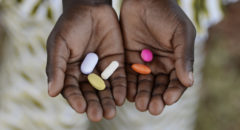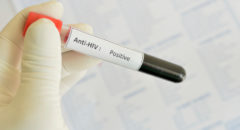

(BlackDoctor.org) — Cash-strapped states across the country are scaling back efforts to provide life-saving medicines to HIV patients.
The result: more than 8,300 people – a record number — are on waiting lists in 13 states to get antiretrovirals and other drugs used to treat HIV and AIDS or its side effects, mental health conditions or opportunistic infections. And that number probably sharply understates the need, say advocates, who note that many states have simply eliminated waiting lists or reduced eligibility. ??
“States that have changed their eligibility programs or don’t have a waiting list, or some states have disenrolled their patients, that’s a kind of silent crisis, I think,” said Jeff Graham, executive director of Georgia Equality, an advocacy group on gay issues. His state holds the second highest number of patients on a waiting list—1,520. ????
In recent weeks: ??

–Illinois tightened the eligibility for the state program that helps HIV patients pay for their medications. On July 1, the cutoff for the program will fall from an annual income of 500 percent of the federal poverty level, or $54,450, to $32,670. ??
–Georgia cut $100,000 from its program, which serves 4,300 people. ??
–Florida, which already has the nation’s largest waiting list for HIV prescription drug assistance, held public hearings as officials consider cutting the eligibility threshold in half to $21,780 or less in annual income. ??
–Utah and Alabama are reopening their waiting lists. ??AIDS drug assistance programs, or ADAPs, pay for HIV medications for low-income patients when they cannot afford the drugs and don’t have insurance or have limited coverage that fails to include the cost of the drugs. Nearly 174,000 people are covered by the programs, according to the most recent information from the National Alliance of State and Territorial AIDS Directors (NASTAD). ????
Murray Penner, deputy executive director of NASTAD, said the average annual cost for ADAP drugs is $11,388 per person, but that is significantly less than individuals trying to buy their own drugs would pay. ??The federal government provides the bulk of the ADAP financing through the Ryan White Care Act. This year the budget is $885 million, $25 million more than last year, according to Brandon Macsata, CEO of the ADAP Advocacy Association. Many states supplement the funding. ????
You May Also Like

But the number of people seeking help is rising after the recession pushed millions of people out of work and cut their insurance coverage. And the downturn in the economy has also created budget shortfalls for states and limited their ability to help those patients. ????
ADAP is not an entitlement program, so even applicants who are qualified can be turned away or put on waiting lists if funding is not available. ????
States are tightening their income eligibility requirements. Other states are removing the most expensive drugs from their formularies and using other strategies to contain costs, such as limiting coverage only to the sickest patients. ??
“We are struggling…,” said Penner. “This is in a larger context of our health care system which is a fractured health care system and it really has been a piecemeal approach to getting people with HIV and AIDS the care they need.” ??
Advocacy groups say the pullback is short-sighted: HIV patients who get the antiretroviral drugs are generally able to manage their disease, allowing them to continue working and keeping long-term medical costs down for the state. New research even suggests that people put on medication immediately after being diagnosed are less likely to spread the disease. ????
Most of those people who do not get into ADAP programs find other sources of help, including programs offering drugs donated by pharmaceutical companies. The programs, however, do not guarantee medication since they are dependent on what donations they receive from the pharmaceutical companies and often require patients to reapply frequently for help. ????
Jen Kates, vice president and director of global health and HIV policy at the Kaiser Family Foundation, said these programs are helpful, “but there are gaps all across the country.” (KHN is an editorially independent program of the Kaiser Family Foundation). ????
Florida, one of the states hit hardest by the recession, has 3,938 people on the ADAP waiting list, the highest number in the country. In February, the state ran out of ADAP money and turned to Welvista, a South Carolina-based nonprofit pharmaceutical assistance program that is providing medication to HIV patients on ADAP waiting lists in several states. For six weeks, Welvista supplied medicine to more than half of those in Florida’s ADAP program until new federal funding became available in April. ????
Thomas Decker, a 58-year-old HIV patient in Arlington, Va., was laid off from his job with a local printer in September 2009. He continued to buy his insurance through a COBRA program but when that ran out, he turned to ADAP to pay for his medication. ????
“It’s such a shock when you have insurance and you pay into everything for so many years and then you are just sort of left out into the open — people really don’t get it,” Decker said. He was forced out of the state’s ADAP in January when his T-cell count increased, suggesting his health was improving. “I was kicked off the program basically because of my health. I always kept my health up,” he said. ????
Decker moved to Virginia’s waiting list, along with 684 other individuals. He is also enrolled in a pharmaceutical assistance program that provides his HIV medication. ????
NASTAD’S Penner points to Virginia as an example of how states can deal effectively with the ADAP overflow. While the state did temporarily institute the T-cell criteria to bump healthier individuals off the program so it could allocate ADAP funding to those in most need, “they basically hold the patients’ hand through the process,” he said. ????
Diana Jordan from Virginia’s Department of Health said that in four months the three-person ADAP staff “transitioned” 203 HIV patients off ADAP and worked individually with each person to find another source of funding for their drug treatment. The bumping process has been discontinued, Jordan said, because federal funding grants began again in April. ??”We are sorry we had to do it,” she said, “but … we are glad that they have something.”