
• Skip to main content
  • Skip to secondary menu
  • Skip to primary sidebar
  • Skip to footer
BlackDoctor.org
Where Wellness & Culture Connect

Where Wellness & Culture Connect

  • Conditions
  • Wellness
  • Lifestyle
  • Longevity
  • Clinical Trials
  • Resources
    • Generational Health
    • Top Blacks in Healthcare 2025
    • Hall Of Fame
    • Clinical Trials Resource Center
    • Obesity Resource Center
    • Cancer Resource Center
    • Wellness on the Yard
    • Immunocompromised Care
    • BDO Resource Library
  • Find A Doctor
  • BDO TV
Home / Health Conditions / Lung Cancer / 10 Common Factors Increasing Your Risk for Lung Cancer

10 Common Factors Increasing Your Risk for Lung Cancer

lung cancer risk factors

Did you know that there are several factors that can lead to lung cancer? Some of these factors may even be apart in your everyday life without your knowledge.

While doctors cannot always explain why one person develops lung cancer and another does not, there are certain risk factors that research has shown can increase a person’s chance of developing lung cancer.

Researchers are continuing to learn more about lung cancer risk factors and how you can reduce them, but have made some discoveries on the most common risk factors. This could help you make the necessary lifestyle changes to prevent your risk of developing lung cancer.

You May Also Like
Psoriatic Arthritis Can Feel Beyond Your Control. Consider a Different Direction. Learn More Here. Psoriatic Arthritis Can Feel Beyond Your Control. Consider a Different Direction. Learn More Here.

RELATED: 6 Common Ways You’re Damaging Your Lungs

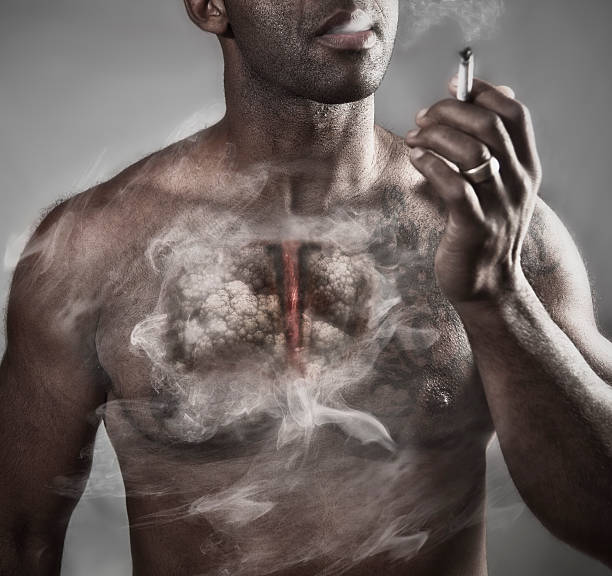
Tobacco smoke

Tobacco smoke causes most cases of lung cancer. It is by far the most important risk factor for lung cancer. Among those newly diagnosed, it is estimated that about 80%-90% are either current or former smokers; the remaining 10%-20% are never smokers.

Harmful substances in smoke can damage lung cells, cause mutations, and make the lungs more vulnerable to other cancer-causing environmental factors, such as asbestos and radon. Smoking cigarettes, pipes, or cigars can cause (or accelerate) lung cancer. If you are at increased risk of developing lung cancer because of smoking, speak with your doctor, who may be able to give you additional information, including referring you to a screening program. 

You May Also Like
Get GLP-1s Delivered to You As Low As $99/Month! Get GLP-1s Delivered to You As Low As $99/Month!

Secondhand smoke—smoke from other people’s tobacco use—can even cause lung cancer in nonsmokers. The more and the longer a person is exposed to smoke, the greater the risk of lung cancer. 

It is best not to start smoking. However, even those who do smoke can significantly lower their risk of developing lung cancer by quitting. There are many health benefits to quitting, including longer survival and a lower likelihood of the recurrence of lung cancer, even if you don’t quit smoking until after a lung cancer diagnosis. 

There are many tobacco cessation programs to help a smoker quit; two such programs are the US government’s program at www.smokefree.gov and the American Lung Association’s Freedom from Smoking® Online program.


Radon

Radon is a radioactive gas that you cannot see, smell, or taste. It forms naturally in soil and rocks. Radon damages lung cells, and people exposed to radon are at increased risk of lung cancer. Radon is the second leading cause of lung cancer, and the risk of lung cancer from radon is even higher for smokers. Radon can be present in buildings. 

Because there is no way to know for sure without testing whether radon is present, the US Environmental Protection Agency (EPA) recommends that people test their homes for radon levels. If a high level is found, there are ways to lower it to make a home safer. 

For information and resources on how to protect yourself from exposure to radon, read the Environmental Protection Agency's Citizen's Guide to Radon or contact your local Department of Health.

Asbestos and other carcinogens

People who have certain jobs (such as those who work in the construction and chemical industries) have an increased risk of lung cancer. Exposure to asbestos, arsenic, chromium, nickel, soot, tar, and other substances can cause lung cancer. 

The risk is highest for those with years of exposure. The risk of lung cancer from these carcinogens is even higher for smokers. It is important to follow all of the safety guidelines provided by your employer. It is also a good idea to check with your doctor about any additional precautions you should take if you are exposed to these substances at work.

Air pollution

Outdoor air pollution, which can include, among other pollutants, diesel fumes, dust, and solvents as well as particulate matter (a mixture of very small solid particles and liquid droplets, such as sulfur dioxide, soot, and many others)  may increase the risk of lung cancer. The risk from air pollution is higher for smokers. 

Indoor air pollution is also a risk, specifically for those who cook and/or heat their homes with kerosene fuels, coal, and biomass (organic matter used as fuel).

Family or personal history of lung cancer

People with an immediate family member—father, mother, brother, sister, son, or daughter—who have had lung cancer may be at an increased risk for developing lung cancer. This is particularly the case when more than one family member is or has been affected by the 

disease or if a relative was diagnosed at a young age. The increased risk may be due to exposure to the same environmental risk factors, including tobacco smoke, or possibly, in rare cases, to an inherited mutation.

People who have had lung cancer themselves are at increased risk of developing a second lung tumor; this is more likely among smokers.

Radiation therapy

People who have had radiation therapy to the chest for cancers other than lung cancers have a higher risk of developing lung cancer. These include those who have been treated for Hodgkin lymphoma and women with breast cancer who were treated with radiation after a mastectomy. The lung cancer may take many years to develop. Note that modern radiation therapy techniques and practices may be able to reduce this risk, but it is still a risk to be discussed with your doctor.

Age 65 and older

Age is a factor in lung cancer risk. More than two-thirds of people diagnosed with lung cancer are 65 years or older when diagnosed.

History of lung disease

Having chronic obstructive pulmonary disease (COPD), including emphysema,  or pulmonary fibrosis, which causes scarring in lung tissue, increases lung cancer risk. In both cases, smoking increases the risk.

RELATED: 5 Veggies That Boost Lung Function

Diet

Drinking water from public sources is tested to ensure that the level of arsenic is below that which could cause any adverse effects, but arsenic in drinking water from private sources, e.g., wells can increase lung cancer risk; this water should also be tested.

There has been some evidence to show that smokers and those who have been exposed to asbestos and take high-dose beta-carotene supplements over a long period of time are more likely to develop lung cancer, so these supplements should be avoided. This is not the case for foods that are high in beta-carotene; these foods are considered safe.

Although lung cancer is not entirely preventable, taking the appropriate measures to make lifestyle changes can significantly reduce your risk of developing lung cancer or even having it return. You can consult with your doctor for the best ways to implement changes into your lifestyle.


This content is brought to you by The LUNGevity Foundation and the BDO Editorial Staff.

By BlackDoctor | Published November 27, 2021

The Latest In Lung Cancer

lung cancer clinical trials

What Black Americans Need to Know Clinical Trials for Lung Cancer

Lung cancer, or bronchogenic carcinoma, is the collective name for cancers that start in the lungs— usually in the airways (bronchi or bronchioles) or small air sacs (alveoli). Lung cancer is known for its aggressive nature and high mortality rate.  read more about What Black Americans Need to Know Clinical Trials for Lung Cancer
radon

I Was the Picture of Health—Until Radon Gave Me Lung Cancer

This Lung Cancer Awareness Month, we’re shining a light on the courage it takes to face the nation’s leading cause of cancer deaths—and the hope that comes from early detection, innovative treatments, and compassionate support. Whether you’re newly diagnosed, navigating read more about I Was the Picture of Health—Until Radon Gave Me Lung Cancer

3 Ways to Be an Active Partner in Your Lung Cancer Care

The 2025 STEMM & Cancer Health Equity (SCHEQ) Lung Cancer Interventions Summit in Chicago brought together health leaders and researchers with a singular focus: to strengthen equitable care and radically improve outcomes for every individual affected by lung cancer. The read more about 3 Ways to Be an Active Partner in Your Lung Cancer Care
lung cancer

5 Lessons from Lung Cancer Survivors Who Refused to Be Ignored

The 2025 STEMM & Cancer Health Equity (SCHEQ) Lung Cancer Interventions Summit in Chicago was focused on one main goal: removing barriers and improving outcomes for everyone affected by lung cancer. By bringing patients, clinicians, and researchers together, the event read more about 5 Lessons from Lung Cancer Survivors Who Refused to Be Ignored
how to get rid of mucus

How to Remove Mucus from Lungs Naturally: 5 Effective Ways to Breathe Easier

Feeling like you can’t take a deep breath without coughing something up? That sticky, uncomfortable mucus in your chest can make breathing feel like work—and constant coughing isn’t just exhausting, it’s the kind of thing that makes people give you read more about How to Remove Mucus from Lungs Naturally: 5 Effective Ways to Breathe Easier
No Smoke Just Facts

No Smoke, Just Facts Recap: BlackDoctor and Morehouse College Talk Smoking and Lung Cancer

On Tuesday, September 24, BlackDoctor partnered with Morehouse School of Medicine to host No Smoke, Just Facts, a powerful half-day event focused on the history of tobacco, the rise of vaping, and the urgent fight against lung cancer in Black read more about No Smoke, Just Facts Recap: BlackDoctor and Morehouse College Talk Smoking and Lung Cancer

Primary Sidebar

Subscribe to our newsletter

Icon

Caring for You, Too - Caregiver Workbook

1 file(s) 297 KB
Download

Trending Articles

7 Things You Should Never Do To Lose Weight!

lose weight

12 Reasons Why It Feels Like Your Heart Rate Won’t Slow Down

congestive heart failure symptoms

How to Treat Hidradenitis Suppurativa in Black People

How to Treat Hidradenitis Suppurativa in Black People

What Is Congestive Heart Failure?

congestive heart failure

5 Reasons Your Hair Texture Changes

hair texture
Find a Culturally Sensitive Doctor

Footer

Where Wellness & Culture Connect

BDO is the world’s largest and most comprehensive online health resource specifically targeted to African Americans. BDO understands that the uniqueness of Black culture - our heritage and our traditions - plays a role in our health. BDO gives you access to innovative new approaches to the health information you need in everyday language so you can break through the disparities, gain control and live your life to its fullest.

Connect With Us

Resource Centers

  • Top Blacks in Healthcare
  • Clinical Trials
  • Wellness on the Yard
  • Cancer
  • Immunocompromised Care
  • About Us
  • Privacy Policy
  • Cookie Policy
  • Terms of Service
  • Careers
  • Advertise With Us
  • Advertising & Sponsorship Policy
  • Daily Vitamina
  • TBH

Copyright © 2025, Black Doctor, Inc. All rights reserved.