
Menu

5 Signs That You Should Get Tested For The Sickle Cell Trait

Table of Contents
sickle cell trait

According to recent studies, Blacks have shown a higher risk for sickle cell disease than any other ethnicity. The sickle cell trait is even more common than the disease itself as 1 in 13 babies are born with it. Typically, people with the trait don’t have the distinctive symptoms of the disease but that isn’t always the case. Under certain conditions, people with the sickle cell trait can experience symptoms that can disrupt their lives. Here are five signs you need to know. 

1. Blood in the urine

People with the sickle cell trait can have blood in their urine with no obvious signs of provocation. In any case, seeing blood when you use the restroom is not normal and should never be ignored.

Even if you don’t have the trait, there may be another underlying cause that you need to know about. 

Featured on BlackDoctor

2. Sudden, unexplained pain

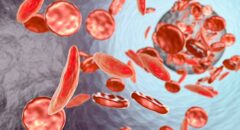
Under specific circumstances such as severe dehydration, excessive exercise, and high altitude, your regular red blood cells can become deformed.

At that point, the cells can be as sickle-shaped as someone with the disease. As the deformed blood cells stick together or block your blood vessels, you may experience unexplained pain throughout your body. 

RELATED: Do You Carry A Sickle Trait?

3. Difficulty breathing

Another symptom that can be set off by being at a high altitude is having trouble breathing. At high altitudes, the air is thinner and you won’t have as much oxygen available as you normally would.

Typically, people without a sickle cell trait can adjust to change in the environment. Those with the trait, however, may not adjust and have a harder time breathing. 

RELATED: Certain Sickle Traits Can Raise Odds for Severe COVID

4. Significant pressure behind the eyes

In some cases, people with the sickle cell trait can experience a lot of pressure behind their eyes if their bodies are under stress. The pressure is similar to that described by those who have glaucoma. Bear in mind that this kind of pressure could indicate the presence of 

other types of chronic disease as well so it’s important not to ignore it. 

5. Issues with your spleen

As mentioned previously, red blood cells can become deformed and affect overall blood flow in the body. This reduced blood flow can have a particular effect on your spleen known as an infarction or ischemia. While the reduced blood flow can be temporary, long-lasting issues such as the death of tissues in the organ can occur. 

While the correlation is not quite clear, people with the sickle cell trait may also have trouble with the breakdown of their muscle tissue as well as a higher risk of developing a rare form of kidney cancer.  

RELATED: Sickle Trait Tied to Higher Kidney Failure Risk for Blacks

Why It’s Important To Get Tested

Even if you’ve been living without symptoms, it’s possible for the sickle cell trait to affect your health without you knowing. Your doctor might not prescribe medication for you right away but at least they’ll know to perform certain check-ups regularly to make sure you’re still okay. 

It’s also helpful information if you plan on having children. If you have the sickle cell trait, there is a 50% chance that you’ll pass it on to your children.

When two people with the trait have children, there’s also a 25% chance that their children will have full-blown sickle cell disease. By knowing what to expect, you can be prepared for getting your children tested and getting them the help they need. 

Of the thousands of people who are diagnosed with the sickle cell trait, many of them are Blacks.

While it’s possible to have the trait without any symptoms, there are times when the disorder can flare up. By paying attention to your body, you can know if you’re one of the people who need to get checked out for the sickle cell trait. 

Related Stories
Answer the question below
What areas do you try to improve in spring?

Get our Weekly Newsletter

Stay informed on the latest breakthroughs in family health and wellness. Sign up today!

By subscribing, you consent to receive emails from BlackDoctor.com. You may unsubscribe at any time. Privacy Policy & Terms of Service.

More from BlackDoctor

Where Culture Meets Care

BlackDoctor is the world’s largest and most comprehensive online health resource specifically for the Black community. BlackDoctor understands that the uniqueness of Black culture - our heritage and our traditions - plays a role in our health. BlackDoctor gives you access to innovative new approaches to the health information you need in everyday language so you can break through the disparities, gain control and live your life to its fullest.
✦ AI Search Disclaimer
This AI-powered search tool helps you find relevant health articles from the BlackDoctor.org archive. Please keep the following in mind:
✦ For Informational Purposes Only
The information provided through this AI search is for general educational and informational purposes only. It is not intended as a substitute for professional medical advice, diagnosis, or treatment.
✦ Always Consult a Healthcare Provider
Never disregard professional medical advice or delay seeking it because of something you have read through this search tool. If you have a medical emergency, call your doctor or 911 immediately.
✦ AI Limitations
This search tool uses artificial intelligence to help match your queries with articles in our archive. While we strive for accuracy, AI-generated results may occasionally be incomplete, outdated, or not fully relevant to your specific situation.
✦ No Doctor-Patient Relationship
Using this search tool does not create a doctor-patient relationship between you and BlackDoctor.org or any healthcare provider.
Explore over 35,000 articles and videos across black health, wellness, lifestyle and culture
Full AI Search Experience >
×

Download PDF

Enter your name and email to receive the download link.