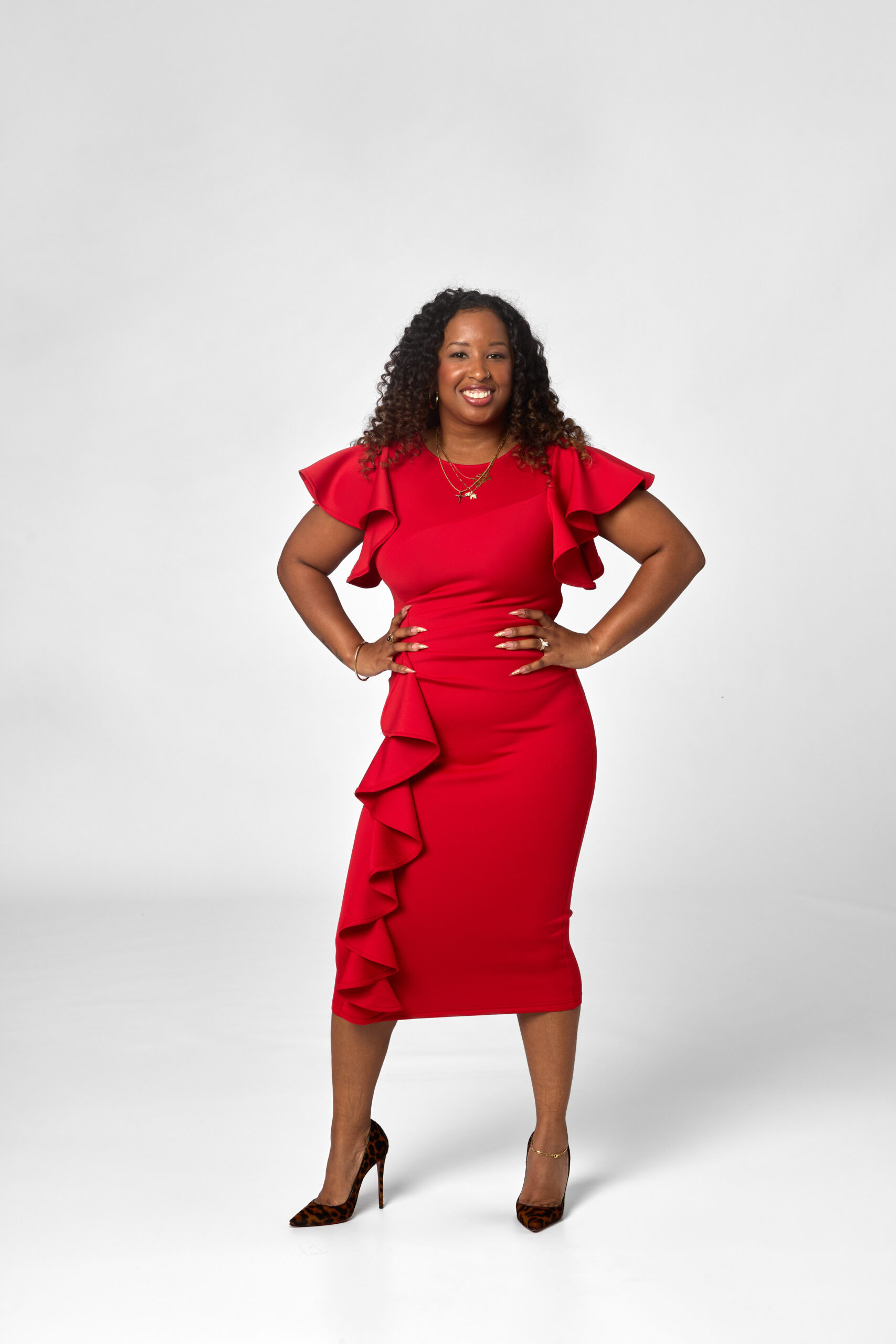
Health advocacy plays a vital role in patient care, especially for Black women, who often face disparities in medical treatment. Brittney Saunders Graves, a stroke survivor turned cardiovascular health advocate, knows this struggle firsthand—fighting relentlessly for the diagnosis and care she deserves.
BlackDoctor.org sat down with Graves to discuss the power of self-advocacy and why she refused to stay silent in the face of medical dismissal.
The Early Symptoms and Initial Dismissal
Graves’ health crisis began with an intense migraine and neck pain on her left side. As someone with a history of migraines, she initially managed her symptoms with medication.
“Since I had a history of migraines, I thought taking my usual medication would help, but after a few days, the pain didn’t go away. Like many Black women, I tried to push through it and waited… before going to the ER,” Graves shares.
You May Also Like
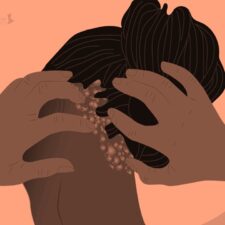
However, as the pain persisted for several days, she sought medical attention at a military facility emergency room.
“Since I was in the military at the time, I went to a military facility and told them I had a severe migraine and neck pain that made it hard to turn my head. They checked my records, saw I had a history of migraines and a previous neck strain, and assured me it was nothing serious. They did a scan of my neck, didn’t find anything, and sent me home with medication, telling me to come back if it got worse,” Saunders adds.
When her symptoms persisted, she returned to the ER only to receive muscle relaxers and instructions to see her primary care provider.
You May Also Like

“The following day, my primary care provider gave me trigger point injections to relieve the neck pain, but they didn’t work. She then prescribed a stronger pain reliever. I also had appointments with a chiropractor and pain management specialists, but nothing helped,” Graves shares.
Despite multiple visits, escalating pain, and an inability to eat or sleep, Graves’ condition was repeatedly downplayed. Even as she threw up and could no longer tolerate solid food, she was sent home without thorough diagnostic testing.
“Eventually, I saw a neurologist I had already been seeing for migraines. By that time, the pain was unbearable. It hurt to turn my neck, sleep, eat, drink, and even swallow. When my neurologist touched my neck, I burst into tears from the pain,” Graves recalls.

The Fight for a Diagnosis
Nearly a month into her suffering, Graves reached a breaking point. Feeling like her brain was about to explode, she desperately sought help from neurology.
“I was vomiting, hadn’t eaten solid food in three weeks, and was in excruciating pain. Even then, I was dismissed, being told to just wait for my neurology appointment,” Graves notes.
It was only after filing a complaint with a patient advocate that she was finally admitted to the hospital. After hours of waiting, the correct brain scan was performed, revealing a blood clot. The delayed diagnosis nearly cost Graves her life.
The Importance of Self-Advocacy
Graves’ experience underscores the significance of self-advocacy, particularly for Black women, who face disproportionate rates of cardiovascular disease. Studies show that nearly 60 percent of Black women over 20 live with some form of cardiovascular disease, yet it remains underdiagnosed and undertreated.
“In my case, I was both underdiagnosed and undertreated, and my stroke could have been prevented if they had taken the right steps earlier. It’s vital for all women to understand their personal risk factors and family history. If I hadn’t advocated for myself, my condition could have gone unnoticed, and I might not be here today,” Graves shares.
The Road to Recovery
Following her diagnosis, Graves was placed on a heparin drip to break down the clot. Although she avoided surgery, her journey to recovery was arduous. Beyond the physical challenges, she faced aphasia, PTSD, and depression.
“The mental health aspect of recovery is often overlooked. After my stroke, I turned to social media—not just for healing, but to raise awareness. I shared the dark side of recovery, including depression, PTSD, and the fear of seeking medical care again after being dismissed,” Graves adds. “Even my family and friends struggled to understand. I would tell them something was wrong, but they’d say, ‘You look fine.’ That kind of response can make recovery even harder. When people aren’t heard in medical or personal settings, it deepens the trauma and delays healing.”
RELATED: My Story: 6 Months After Giving Birth, My Heart Stopped
Finding Strength in Community
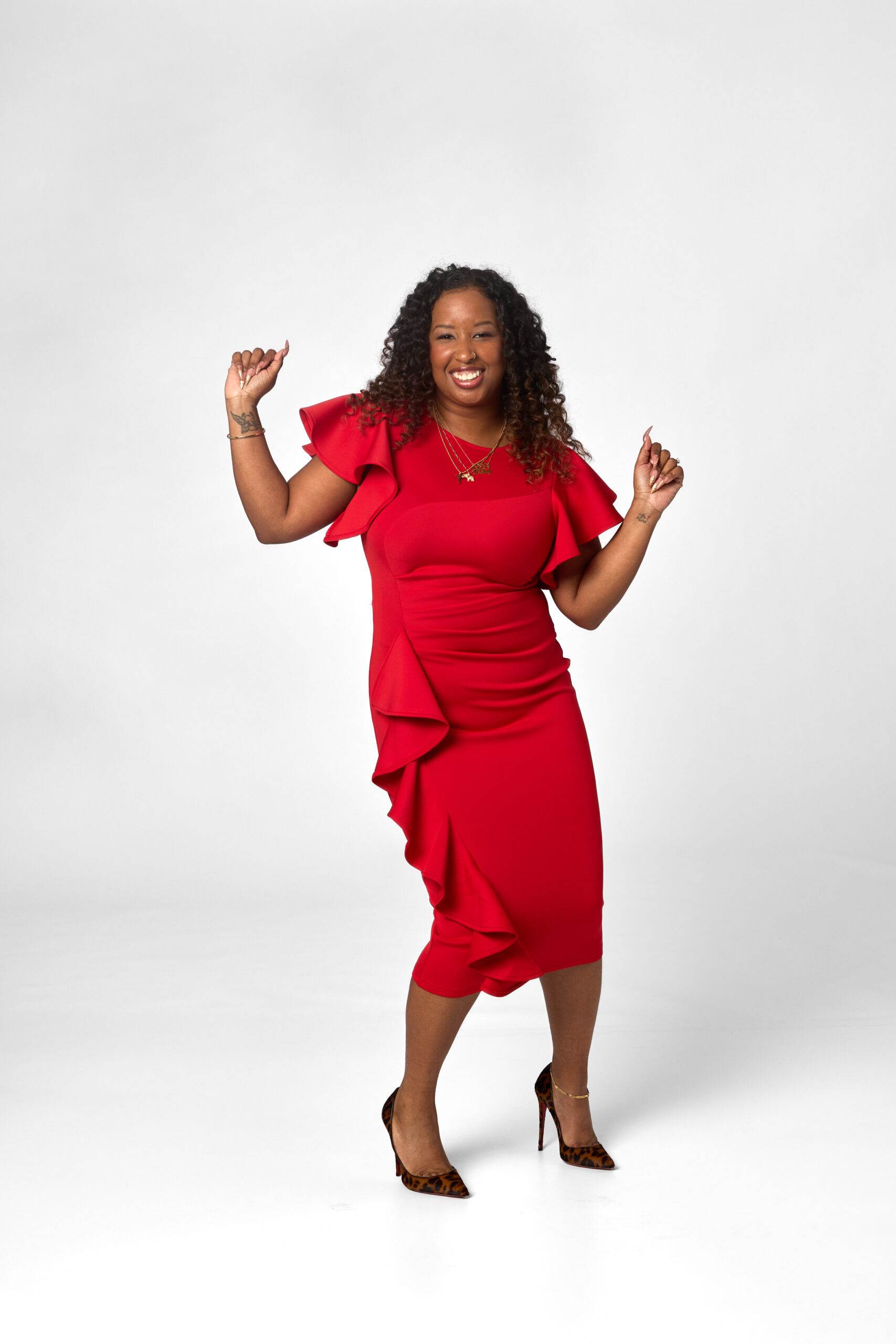
Graves found solace in the American Heart Association’s Go Red for Women initiative, joining a class of survivors who understood her journey. Through shared experiences, she learned the importance of ongoing advocacy and education.
“I am so honored to be part of this movement! It connects survivors and sheds light on life after a cardiovascular event. Too often, people focus on the event itself but not the long-term impact. Through this program, I met women with similar experiences—many of whom were misdiagnosed or unheard like I was. Their stories inspired me, and I felt less alone,” Graves shares.
Through the initiative, she was also able to learn more about her own stroke type.
“My stroke, cerebral venous sinus thrombosis (CVST), accounts for only 1.5–3% of all strokes. Even after treatment, some doctors doubted my diagnosis because I was ‘too young’ to have a stroke. The American Heart Association confirmed it for me, giving me the confidence to advocate for myself,” the 32-year-old notes.
Graves’ advocacy went beyond her own recovery—she recognized the signs of a stroke in her mother, ensuring she received timely medical attention and proper care.
“Because I had experienced a stroke myself, I got her the medical attention she needed, became her caregiver, and ensured she received proper treatment,” Graves says. “Being able to advocate for myself, my mom, and thousands of other women is an incredible blessing.”
Although life post-stroke has been challenging for Graves, she’s found solace in taking baby steps.
“I went from being a fit soldier—working out twice a day—to relearning how to read, write, walk, and even use the bathroom. My memory was affected. I had to retrain my brain to function again,” she shares. “I felt ashamed that this was my new reality, but I’ve learned that taking baby steps is okay. Even if you used to sprint, recovery isn’t about speed—it’s about progress.”
RELATED: Stroke Survivor’s Message to Black Women: “Be the CEO of Your Body”
Advice for Other Women
Graves’ message is clear: “Listen to your body. Take time for yourself, de-stress, and practice self-care. If you feel something is wrong, don’t ignore it.”
She encourages women to educate themselves about cardiovascular health and seek community support.
“Many Black women feel pressure to appear strong in public, but true strength is admitting when you need help. Don’t be afraid to say, ‘I need support,’” she advises.
A New Perspective on Life
Graves’ journey is a testament to resilience and the power of self-advocacy. Though she faced unimaginable challenges, she emerged stronger, using her experience to help others. Today, she continues to raise awareness, ensuring that no woman feels unheard or unseen in her health journey.
“There is life after a stroke. I didn’t let mine end me—in fact, it led me to a better life than before,” she concludes.
For more information on heart health and advocacy, visit GoRedForWomen.org.