5 Protective Styles You Can Do at Home

Protective styles are a cornerstone of natural hair care, offering both aesthetic versatility and essential protection for textured hair. Whether you’re aiming to retain length, minimize daily manipulation, or simply switch up your look, mastering at-home protective styling is both empowering and practical.
What You’ll Need: Must-Have Tools & Products
Before diving into styling, assembling the right toolkit is crucial. Essential items include:
- Wide-Tooth Comb: Ideal for detangling without causing breakage.
- Detangling Brush: Helps smooth out knots and distribute products evenly.
- Sectioning Clips: Assist in managing hair during styling by keeping sections separate.
- Edge Tool: Useful for laying and styling baby hairs for a polished look.
- Microfiber Towel: Gentler on hair than traditional towels, reducing frizz and breakage.
- Satin or Silk Scarf/Bonnet: Protects hair overnight by minimizing friction and moisture loss.
- Moisturizing Products: Leave-in conditioners, oils, and butters to keep hair hydrated.
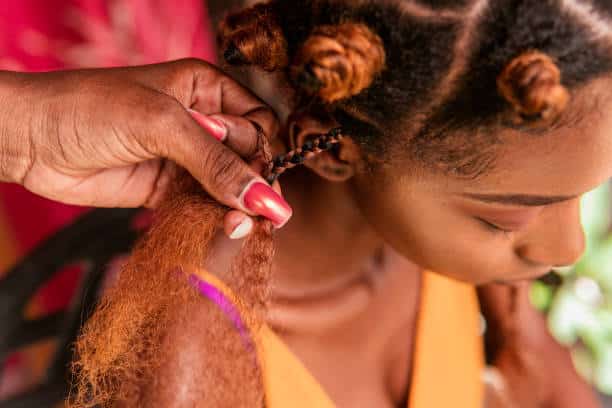
Easy Starter Styles: Flat Twists, Bantu Knots, and Cornrows
Starting with beginner-friendly styles can build confidence:
- Flat Twists: Two-strand twists laid flat against the scalp; versatile and low-tension.
- Bantu Knots: Small coiled buns that can be worn as-is or unraveled for curls.
- Cornrows: Braids close to the scalp; can be styled in various patterns.
These styles not only protect hair but also offer a range of looks suitable for different occasions.
RELATED: 5 Signs It’s Time To Remove Your Protective Style
YouTube University: Finding the Right Tutorials
Learning visually can enhance your styling skills. Platforms like YouTube offer a plethora of tutorials tailored to various hair types and skill levels. Channels such as Naptural85 provide step-by-step guides on creating protective styles at home.
How to Prep and Protect Your Hair Before Styling
Proper preparation is the key to maximizing the benefits of protective styles and ensuring your hair stays healthy under the style. Without appropriate prep, even the most stylish look can lead to breakage, dryness, or scalp issues.
1. Cleansing: Start with a Clean Slate
Before installing any protective style, it’s essential to thoroughly cleanse your hair and scalp to remove product buildup, dirt, and excess oils. Use a sulfate-free shampoo that won’t strip your natural oils but will provide a fresh, clean base.
- Try hydrating shampoos from brands like Maui Moisture that use aloe vera and coconut water.
- Online discussions on Reddit often recommend clarifying once a month for those who frequently wear protective styles.
A clean scalp promotes growth and reduces the risk of scalp irritation or fungal infections while in a long-term style.
2. Deep Conditioning: Replenish and Strengthen
After cleansing, follow up with a deep conditioner to restore moisture, improve elasticity, and strengthen the strands. Protective styles work best on well-conditioned hair because dry, brittle strands are more prone to snapping under tension.
- Use deep conditioners rich in shea butter, honey, or avocado oil for maximum hydration.
- Online sources highlight the effectiveness of deep conditioning treatments in improving hair manageability and strength.
Aim to deep condition for at least 20–30 minutes, using heat or steam for deeper penetration.
3. Detangling: Prevent Breakage Before It Starts
Detangling minimizes knotting and makes styling easier. Work through the hair in sections using a wide-tooth comb or a detangling brush. Start from the ends and slowly move toward the roots to avoid snapping strands.
- Detangling before protective styling prevents matting under styles like braids or twists.
- Always detangle on damp, conditioned hair to reduce tension.
4. Moisturizing: Lock in Hydration
Moisture retention is a major goal when prepping for a protective style. Use the LCO method—Leave-in conditioner, Cream, and Oil—or the LOC method, depending on your hair’s porosity.
- Carol’s Daughter and MyCrownOfCurls recommend layering moisture to prevent dryness while the hair is tucked away.
Look for products with humectants like glycerin or aloe vera, emollients like shea butter, and sealing oils like castor or jojoba.
5. Stretching: Make Styling Easier
Stretching the hair without heat can make styles neater and easier to install. Try:
- Banding: Secure hair in sections with hair ties to gently elongate it.
- Twist-outs or braid-outs: Allow the hair to dry in twists or braids, then unravel.
- Threading: A heat-free African method of stretching hair with cotton thread.
Who What Wear and MyCrownOfCurls recommend these techniques for reducing shrinkage and tangles.
RELATED: Do These Popular Summer Styles Really Protect Your Hair?

Mistakes to Avoid When Styling at Home
Even with the best intentions, common mistakes can sabotage your protective style goals.
1. Overtight Braiding
Tight braids can lead to traction alopecia, a form of hair loss caused by prolonged tension.
- If you feel pain or bumps after styling, it’s too tight.
- Private Stock Hair emphasizes the importance of gentle handling to preserve the hairline.
2. Neglecting Moisture
Dry hair under a protective style is vulnerable to breakage. Spritz your hair and scalp with a water-based moisturizer or aloe vera juice every few days to maintain hydration.
- Not moisturizing under wigs, braids, or twists is a top reason why some protective styles result in damage instead of protection.
3. Skipping Scalp Care
Your scalp needs care even when it’s not visible. Failing to cleanse and oil the scalp can lead to flaking, odor, or even infection.
- Use diluted shampoo in a nozzle bottle to target the scalp directly.
- A tea tree or peppermint oil blend can help soothe itchiness and reduce bacteria.
4. Leaving Styles in Too Long
Most styles should be worn for no more than four to eight weeks, depending on the method and your hair’s condition.
- Leaving styles in too long can cause matting, loc’ing, or scalp buildup.
- Private Stock Hair warns that buildup from styling products and sweat can suffocate hair follicles.
Balancing Beauty and Scalp Health
While protective styles are often used for their aesthetic benefits, healthy hair starts at the scalp.
Regular Cleansing
Use a diluted sulfate-free shampoo or scalp spray to clean the scalp without unraveling your style.
- African Pride recommends using cleansing water or micellar scalp treatments between wash days to reduce itchiness and buildup.
Moisturizing Oils and Scalp Treatments
Apply lightweight oils to the scalp to prevent dryness, such as:
- Jojoba oil: Closely mimics sebum.
- Tea tree oil: Antibacterial and anti-inflammatory.
- Castor oil: Nourishes and helps promote thickness.
Scalp Massage
A few minutes of gentle circular massage each week stimulates blood flow, which supports follicle health and encourages growth.
How to Maintain Your Style for Longer Wear
Proper maintenance helps you extend your style, protect your strands, and make the most of your effort.
1. Nighttime Protection
Use a satin or silk bonnet, scarf, or pillowcase to reduce friction while sleeping. This helps keep your style neat and prevents frizz.
2. Hydration is Key
Light spritzes of a water-based leave-in conditioner or a homemade aloe + glycerin + essential oil spray will keep your hair moisturized without unraveling the style.
- Carol’s Daughter suggests hydrating twice a week while in protective styles (Carol’s Daughter Blog).
- Sites like MyLivara also support daily hydration based on climate.
3. Edge Maintenance
Use a non-flaky, nourishing edge control to smooth baby hairs and refresh the hairline—but avoid heavy gels that cause buildup or breakage.
4. Remove Styles on Time
Protective styles have an expiration date. Leaving them in too long can defeat the purpose by causing:
- Breakage
- Buildup
- Hair loss from matted roots
Use a clarifying wash and deep treatment after removing any style to reset your hair’s health. Protective styling is more than a beauty trend—it’s a cultural practice and a health strategy for natural hair. You can enjoy stunning styles while supporting long-term growth and health by properly prepping, avoiding damaging habits, and committing to scalp and strand care.
Let your protective styles work for you, not against you.