
• Skip to main content
  • Skip to secondary menu
  • Skip to primary sidebar
  • Skip to footer
BlackDoctor.org
Where Wellness & Culture Connect

Where Wellness & Culture Connect

  • Conditions
  • Wellness
  • Lifestyle
  • Longevity
  • Clinical Trials
  • Resources
    • Generational Health
    • Top Blacks in Healthcare 2025
    • Hall Of Fame
    • Clinical Trials Resource Center
    • Obesity Resource Center
    • Cancer Resource Center
    • Wellness on the Yard
    • Immunocompromised Care
    • BDO Resource Library
  • Find A Doctor
  • BDO TV
Home / Longevity / Having Someone Who’ll Listen May Be Good for Your Aging Brain

Having Someone Who’ll Listen May Be Good for Your Aging Brain

aging brain

Blacks are more likely than whites to develop cognitive impairment or Alzheimer's Disease later in life, but a new study suggests a simple conversation may be able to help with that.

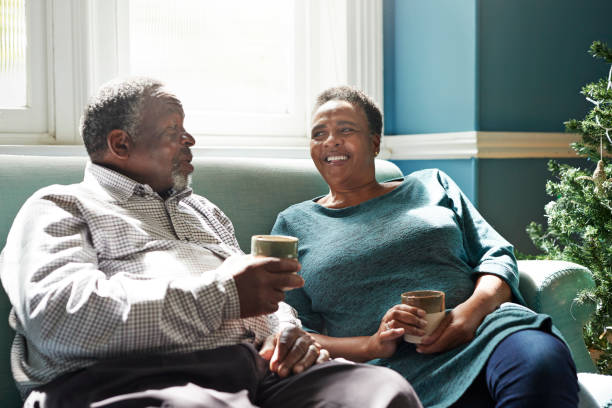
Could the constancy of a sympathetic ear help guard your brain against the ravages of aging?

Yes, claims new research that analyzed data on nearly 2,200 American adults and found those in their 40s and 50s who didn't have someone to listen to them had a mental ("cognitive") age that was four years older than those who had good listeners in their lives.

You May Also Like
Psoriatic Arthritis Can Feel Beyond Your Control. Consider a Different Direction. Learn More Here. Psoriatic Arthritis Can Feel Beyond Your Control. Consider a Different Direction. Learn More Here.

"This study adds to growing evidence that people can take steps, either for themselves or the people they care about most, to increase the odds they'll slow down cognitive aging or prevent the development of symptoms of Alzheimer's disease — something that is all the more important given that we still don't have a cure for the disease," Dr. Joel Salinas, lead researcher and member of the Center for Cognitive Neurology at the NYU Grossman School of Medicine in New York City, says.

Having an ear to bend when you need to talk is associated with greater "cognitive resilience," which is a measure of the brain's ability to function better than would be expected for the amount of aging or disease-related changes in the brain, study authors explain.

Many neurologists believe this mental resilience can be improved through brain-stimulating activities, physical exercise and positive social interactions.

You May Also Like
Get GLP-1s Delivered to You As Low As $99/Month! Get GLP-1s Delivered to You As Low As $99/Month!

READ: Deep Sleep Gives Your Brain a Deep Clean

"We think of cognitive resilience as a buffer to the effects of brain aging and disease," Dr. Salinas adds.

The four years' difference in cognitive age between people with good listeners and those without "can be incredibly precious," Salinas says.

"Too often, we think about how to protect our brain health when we're much older, after we've already lost a lot of time decades before to build and sustain brain-healthy habits," Salinas adds. "But today, right now, you can ask yourself if you truly have someone available to listen to you in a supportive way, and ask your loved ones the same. Taking that simple action sets the process in motion for you to

ultimately have better odds of long-term brain health and the best quality of life you can have."

Doctors should also consider asking patients whether they have access to a dependable listener, Salinas suggests.

"Loneliness is one of the many symptoms of depression, and has other health implications for patients," he explains. "These kinds of questions about a person's social relationships and feelings of loneliness can tell you a lot about a patient's broader social circumstances, their future health, and how they're really doing outside of the clinic."

READ: 5 Daily Tasks You Can Do To Improve Brain Function

Can't find someone who will listen?

If you are feeling loneliness, depression, anxiety, etc. you should voice this to not only your doctors, but family members and friends so that they can be a source of support for you. However, not everyone has the luxury of having close family or friends to vent to that will listen.

If you are having trouble finding someone that will listen, you can try seeking support from the following people:

  • Neighbor: You can try sparking a conversation with your neighbor. You never know what you may have in common and what type of support they may be able to offer you.
  • Support group: Support groups provide services in finding qualified adults to those needing a valued listener.
  • Social apps: Social apps are a great way to make friends despite where you live. You may be able to vent to these friends without judgment.

Remember it is never too late to seek support and get the help you need. Your future self will thank you.

By Jessica Daniels, BDO Staff Writer | Published August 24, 2021

The Latest In Longevity

self-care

A Geriatrician Explains: Why Self-Care Is Non-Negotiable for Caregivers

For millions of Americans, caregiving isn’t just an act of love—it’s a full-time responsibility that can take a toll on your body, mind, and spirit. Today’s caregivers often find themselves caring for parents, grandparents, spouses, and even great-grandchildren all at read more about A Geriatrician Explains: Why Self-Care Is Non-Negotiable for Caregivers
lung cancer clinical trials

What Black Americans Need to Know Clinical Trials for Lung Cancer

Lung cancer, or bronchogenic carcinoma, is the collective name for cancers that start in the lungs— usually in the airways (bronchi or bronchioles) or small air sacs (alveoli). Lung cancer is known for its aggressive nature and high mortality rate.  read more about What Black Americans Need to Know Clinical Trials for Lung Cancer
soft shirts

Soft Shirts Only: How I Dress for Psoriasis Without Losing Style

Because Comfort Is Non-Negotiable — but So Is Feeling Like You If you’ve ever had to choose between a cute outfit and your skin feeling like it’s on fire, you’re not alone. Living with psoriasis means your skin isn’t just read more about Soft Shirts Only: How I Dress for Psoriasis Without Losing Style
caregiving

A Geriatrician Explains: How To Survive Caregiving

For millions of Americans, caregiving isn’t just an act of love—it’s a full-time responsibility that can take a toll on your body, mind, and spirit. Today’s caregivers often find themselves caring for parents, grandparents, in-laws, children, and even great-grandchildren all read more about A Geriatrician Explains: How To Survive Caregiving
Why I Did a Trial for TNBC: "It Very Likely Saved And Extended My Life"

Why I Did Clinical Trials for TNBC: “It Very Likely Saved And Extended My Life”

My cancer journey began in 2015 during a routine mammogram that revealed a mass in my breast, which turned out to be Triple-Negative Breast Cancer (TNBC), a rare and aggressive form of the disease. In my 50s and coming from read more about Why I Did Clinical Trials for TNBC: “It Very Likely Saved And Extended My Life”
caregiver

A Geriatrician Explains: Overcoming the Challenges of Caregiving

 For too many caregivers, the role isn’t just about love and support. It’s an exhausting, 24/7 battle against systemic bias and burnout. You are the quarterback of this team, but you can't be the entire line staff. Why It read more about A Geriatrician Explains: Overcoming the Challenges of Caregiving

Primary Sidebar

Subscribe to our newsletter

Icon

Caring for You, Too - Caregiver Workbook

1 file(s) 297 KB
Download

Trending Articles

12 Reasons Why It Feels Like Your Heart Rate Won’t Slow Down

heart rate

How to Treat Hidradenitis Suppurativa in Black People

How to Treat Hidradenitis Suppurativa in Black People

5 Early Signs of Bed Bugs You Need To Know

early signs of bed bugs

Why I Did Clinical Trials for TNBC: “It Very Likely Saved And Extended My Life”

Why I Did a Trial for TNBC: "It Very Likely Saved And Extended My Life"

This Clinical Trial Reversed a Rare Cause of Vision Loss

This Clinical Trial Reversed a Rare Cause of Vision Loss
Find a Culturally Sensitive Doctor

Footer

Where Wellness & Culture Connect

BDO is the world’s largest and most comprehensive online health resource specifically targeted to African Americans. BDO understands that the uniqueness of Black culture - our heritage and our traditions - plays a role in our health. BDO gives you access to innovative new approaches to the health information you need in everyday language so you can break through the disparities, gain control and live your life to its fullest.

Connect With Us

Resource Centers

  • Top Blacks in Healthcare
  • Clinical Trials
  • Wellness on the Yard
  • Cancer
  • Immunocompromised Care
  • About Us
  • Privacy Policy
  • Cookie Policy
  • Terms of Service
  • Careers
  • Advertise With Us
  • Advertising & Sponsorship Policy
  • Daily Vitamina
  • TBH

Copyright © 2025, Black Doctor, Inc. All rights reserved.