
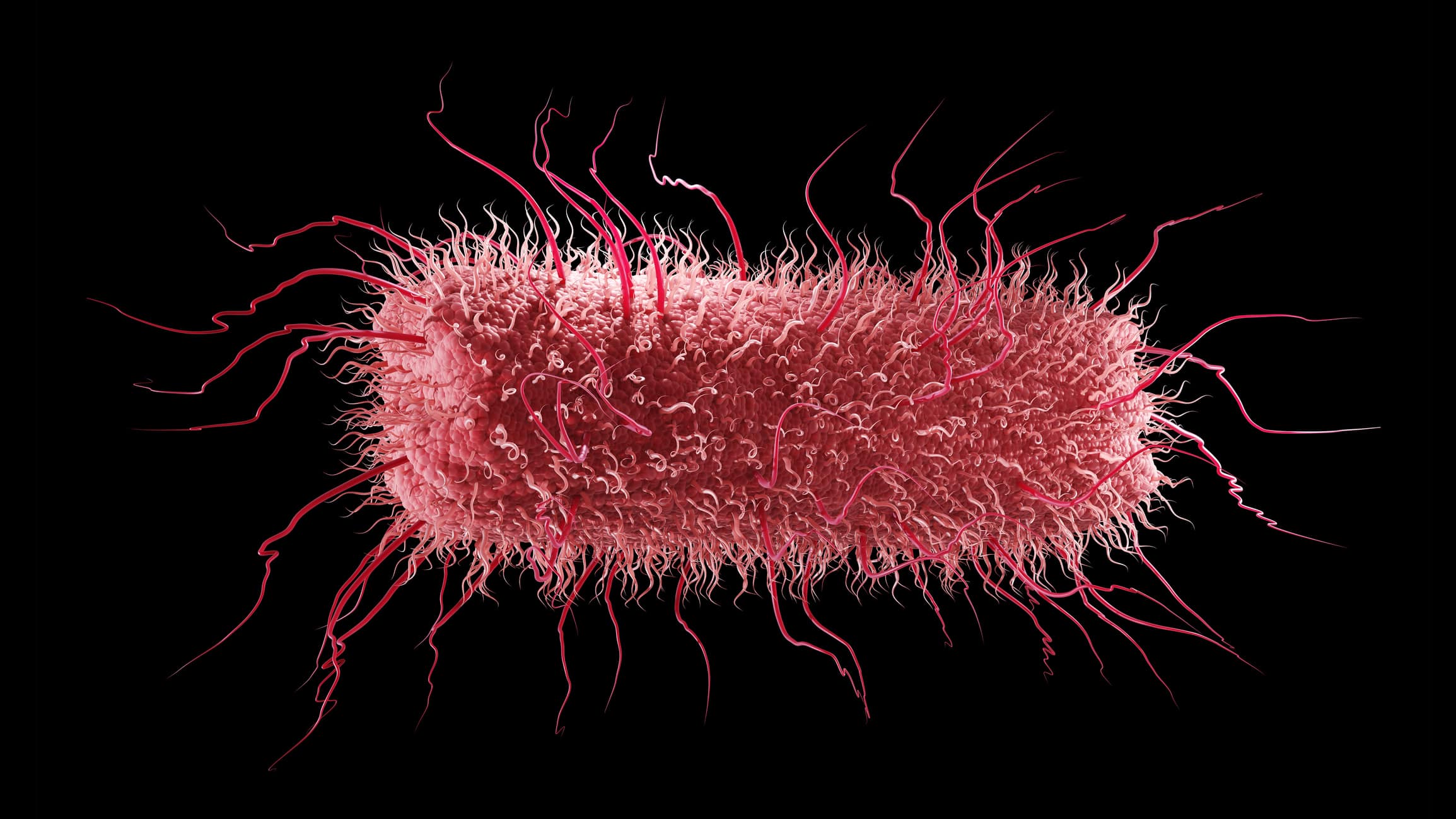
Vibrio vulnificus, also known as “flesh-eating” bacteria, has infected 11 people in Florida this summer, and so far, killing four.
Like other Vibrio species, V. vulnificus lives in coastal estuarine waters and is commonly associated with shellfish, such as oysters. In the context of human health, the bacterium is most known for causing gastrointestinal disease that can advance to septicemia in people who have ingested raw or undercooked shellfish that harbors the organism. However, this sea-dwelling microbe can also wreak havoc on the body surface.
If someone with an open wound (e.g., a recent tattoo or cut) comes in contact with V. vulnificus, the microbe may enter and infect said wound. What might start as swelling and pain at the wound site can, within a few days, lead to widespread skin destruction, making it appear as if something has been munching the flesh away. However, this isn’t quite accurate. Rather, V. vulnificus triggers wound infections that can advance to necrotizing fasciitis (NF), a condition characterized by death of the muscle fascia (connective tissue surrounding muscle fibers and other body structures) and tissues below the skin. As the infection progresses, the skin eventually breaks down too, giving rise to blistering and gaping lesions. If not treated quickly via antimicrobial therapy and surgery to remove necrotic tissues (debridement), V. vulnificus can become systemic, particularly in hosts with certain preexisting conditions (e.g., liver disease), and prove fatal.
You May Also Like

Norman Beatty is an associate professor of medicine at the University of Florida. He is also a practicing infectious disease doctor at UF Health.
He said people need to be on alert during the summer, when temperatures rise in saltwater or brackish (somewhat salty) water — conditions that allow the bacteria to thrive.
There are two common ways people get exposed to Vibrio vulnificus.
You May Also Like

“We can consume it through contaminated shellfish, specifically oysters,” he said.
Beatty said that if someone ingests the bacteria through shellfish, initial symptoms may include stomachaches and diarrhea.
“We can also introduce it through our skin through a cut, when we are submerged in water that’s contaminated with the bacteria, through that wound,” he said.
Beatty said this is the most common way people are stricken by Vibrio vulnificus, which causes a necrotizing type of infection.
After making contact with the bacteria, the wound will open, and the person will begin to feel pain.
Specific Locations Where These Bacteria are Found
Coastal Waters:
Vibrio vulnificus naturally lives in coastal waters worldwide, but is more prevalent in the US along the Gulf of Mexico and some East and West Coast waters.
Warm Waters:
The bacteria thrive in warmer temperatures, typically from May to October, and are more common in areas with higher water temperatures.
Brackish Water:
These are mixtures of fresh and salt water found where rivers meet the ocean.
Seafood:
Vibrio vulnificus can be present in raw or undercooked shellfish, particularly oysters.
What Does Flesh-Eating Disease Look & Feel Like
Early symptoms of this condition include signs and symptoms that resemble those of the flu:
- Body aches
- Fever
- Chills
- Nausea
- Diarrhea
- Severe pain at the site of injury
The progression of necrotizing fasciitis is very quick. Later signs and symptoms include:
- Reddened and/or discolored skin
- Swelling of affected tissues
- Unstable blood flow
- Blisters filled with bloody or yellowish fluid
- Tissue death (necrosis)
- Low blood pressure
- Sepsis
Beatty said it is essential to recognize the symptoms because a Vibrio vulnificus infection can become life-threatening if not caught early.
The infection progresses quickly, within hours, and so informing doctors about recent contact with brackish water or saltwater may lead to the proper diagnosis.
“A delay, in my experience, has led to heightened complications, including, at times, an amputation of a finger, hand or a leg, and even people who have unfortunately passed away,” he said.

How To Protect Yourself from Flesh-Eating Bacteria
-
Do not eat raw oysters or other raw shellfish.
-
Cook shellfish (oysters, clams, mussels) thoroughly.
-
For shellfish in the shell, either a) boil until the shells open and continue boiling for 5 more minutes, or b) steam until the shells open and then continue cooking for 9 more minutes. Do not eat those shellfish that do not open during cooking. Boil shucked oysters at least 3 minutes, or fry them in oil at least 10 minutes at 375°F.
-
Avoid cross-contamination of cooked seafood and other foods with raw seafood and juices from raw seafood.
-
Eat shellfish promptly after cooking and refrigerate leftovers.
-
Avoid exposure of open wounds or broken skin to warm salt or brackish water, or to raw shellfish harvested from such waters.
-
Wear protective clothing (e.g., gloves) when handling raw shellfish.