• Skip to main content
  • Skip to secondary menu
  • Skip to primary sidebar
  • Skip to footer
BlackDoctor.org
Where Wellness & Culture Connect

Where Wellness & Culture Connect

  • Conditions
  • Wellness
  • Lifestyle
  • Longevity
  • Clinical Trials
  • Resources
    • Generational Health
    • Top Blacks in Healthcare 2025
    • Hall Of Fame
    • Clinical Trials Resource Center
    • Obesity Resource Center
    • Cancer Resource Center
    • Wellness on the Yard
    • Immunocompromised Care
    • BDO Resource Library
  • Find A Doctor
  • BDO TV
Home / Lifestyle / Black History of Health / Black History of Health: Nat King Cole

Black History of Health: Nat King Cole

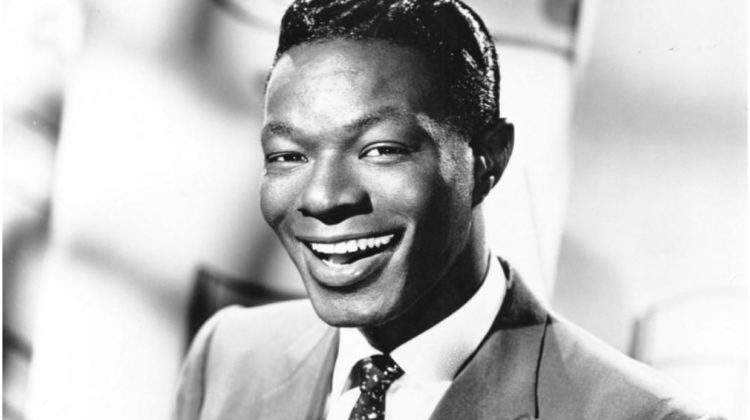
Nat King Cole

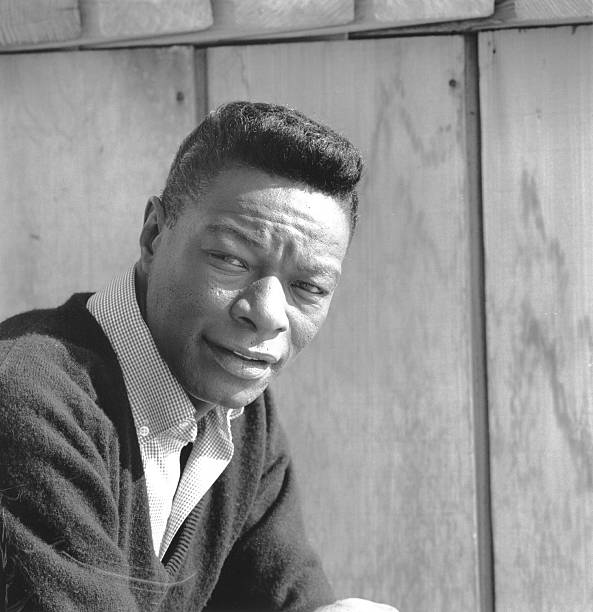
Nat "King" Cole was indeed a royal figure in American popular music during the golden age of jazz.

The classic jazz pianist, composer, and singer had the world at his fingertips from earning notoriety for his smooth, silky voice.

He was also the first African American artist to host his own television program, solidifying his place in the hearts and minds of Americans that cut across racial lines. He was also a staunch civil rights figure and worked alongside other icons of the movement like Martin Luther King, Jr. and Harry Belafonte. He was a king. 

You May Also Like
Psoriatic Arthritis Can Feel Beyond Your Control. Consider a Different Direction. Learn More Here. Psoriatic Arthritis Can Feel Beyond Your Control. Consider a Different Direction. Learn More Here.

That’s why the world seemed to come to a halt when his death was announced in 1965 three weeks after he underwent surgery to remove a collapsed cancerous lung. He was 45. 

At the time, not much was known about lung cancer, leaving everyone shocked that the procedure didn’t ultimately save his life. Now, we’ve learned more about the illness and its origin. 
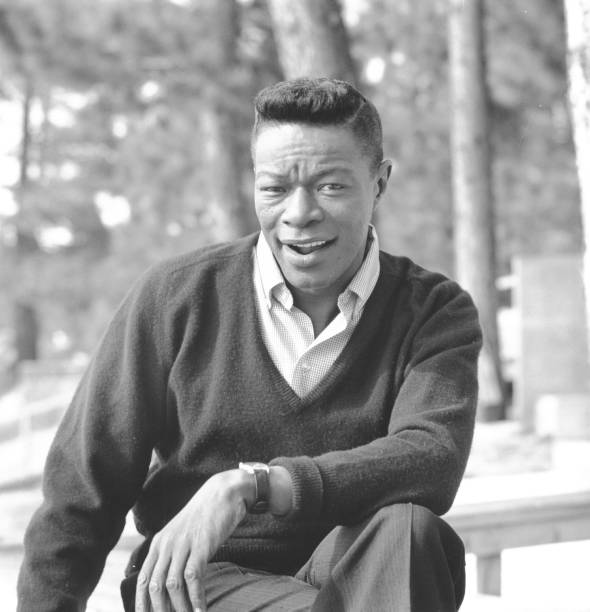
Nat King Cole

You May Also Like
Get GLP-1s Delivered to You As Low As $99/Month! Get GLP-1s Delivered to You As Low As $99/Month!

Lung Cancer in the Black Community

Lung cancer is a type of cancer that begins in the lungs, which is a spongy organ that receives oxygen and expels poisonous carbon dioxide. It’s widely known that people who smoke have the greatest risk of lung cancer, though it can also occur in people who have never smoked.

The risk of lung cancer increases the more and longer you’ve smoked. If you quit, even after smoking for many years, you can significantly reduce your chances of developing lung cancer. 

The American Cancer Society’s (ACS) estimates for lung cancer in the United States for 2021 were:

  • About 235,760 new cases of lung cancer (119,100 in men and 116,660 in women)
  • About 131,880 deaths from lung cancer (69,410 in men and 62,470 in women)
  • Black men are about 15% more likely to develop lung cancer than white men. The rate is about 14% lower in Black women than in white women.
  • Black and white women have lower rates than men, but the gap is closing. The lung cancer rate has been dropping among men over the past few decades, but only for about the last decade in women.
  • Despite their overall risk of lung cancer being higher, Black men are less likely to develop SCLC than are white men.

Lung cancer mainly occurs in older people, but like in Nat’s case, it can touch younger people depending on their lifestyle. Most people diagnosed with lung cancer are 65 or older; a very small number of people diagnosed are younger than 45. The average age of people when diagnosed is about 70.

In 2020, the ACS reported that lung cancer is by far the leading cause of cancer death among both men and women, making up almost 25% of all cancer deaths. Each year, more people die of lung cancer than of colon, breast, and prostate cancers combined.
What are the symptoms?

Lung cancer doesn’t really show up in a big way early on. Signs and symptoms usually reveal themselves when the cancer grows more in the body. 

Signs and symptoms of lung cancer may include:

  • A new cough that doesn't go away
  • Coughing up blood, even a small amount
  • Shortness of breath
  • Chest pain
  • Hoarseness
  • Losing weight without trying
  • Bone pain
  • Headache

RELATED: 10 Common Factors Increasing Your Risk for Lung Cancer

How can it be avoided?

It’s always advised to try to lead a healthy lifestyle with diet, exercise, and low stress in mind. But the risk of getting lung cancer is significantly cut if you don’t smoke or use any tobacco products.

Additionally, the CDC has reported that the number of new lung cancer cases continues to decrease, partly because people are actively moving away from smoking. Also, the number of deaths from lung cancer continues to drop due to people stopping smoking and advances in early detection and treatment. 


BDO’s Black History of Health series is designed to show the correlation between the health of historical black figures and Black Americans today. Many of the health disparities we currently experience have been in our community for centuries. This series is meant to bring these conditions to the forefront and provide blacks with preventative and management steps to reduce these disparities and improve the overall health of the Black American community. It’s time to change the narrative.

By Jasmine Browley | Published February 5, 2024

The Latest In Black History of Health

black history

5 Milestones in Black Health History

Few people realize it, but Black history is steeped in health and wellness discoveries. Not just discoveries, but also negative events that have affected the course of Black health history. From dangerous experiments on Black men to the founding of read more about 5 Milestones in Black Health History
James Brown

Black History of Health: James Brown

When James Brown died on Christmas Day 2006 at age 73, officials at Atlanta's Emory University Hospital Midtown cited congestive heart failure as the cause of death. Nearly a decade later, the medical team that signed Brown’s death certificate says read more about Black History of Health: James Brown
Michael Jackson

Black History of Health: Michael Jackson

MJ. The King of Pop. The pop music legend. Micheal Jackson. Most of us know that Michael Jackson is the King of Pop, the youngest of his brothers in the Jackson 5, and the most-awarded artist of all time. He read more about Black History of Health: Michael Jackson
Muhammad Ali

Black History of Health: Muhammad Ali

In the few years before his 2016 death, the sound and fury he’d become famous for had been replaced by silence and tranquility. Muhammad Ali no longer rumbled or gloated. The heavyweight champion of the world and civil rights activist read more about Black History of Health: Muhammad Ali
Bernie Mac

Black History of Health: Bernie Mac

Bernie Mac, comedian, writer, actor, and the world’s favorite uncle died in 2008 from pneumonia. Diagnosed with sarcoidosis or sarcoid in his 20s, he managed the condition through medication. He was even in remission at the time of his death read more about Black History of Health: Bernie Mac
Bob Marley

Black History of Health: Bob Marley

Almost 43 years ago, the world lost a legend when reggae artist Bob Marley died after a four-year struggle with melanoma skin cancer that started on his toe.   This may seem unusual, as melanoma is usually linked to patients with read more about Black History of Health: Bob Marley

Primary Sidebar

Subscribe to our newsletter

Icon

Caring for You, Too - Caregiver Workbook

1 file(s) 297 KB
Download

Trending Articles

7 Things You Should Never Do To Lose Weight!

lose weight

12 Reasons Why It Feels Like Your Heart Rate Won’t Slow Down

congestive heart failure symptoms

How to Treat Hidradenitis Suppurativa in Black People

How to Treat Hidradenitis Suppurativa in Black People

What Is Congestive Heart Failure?

congestive heart failure

5 Reasons Your Hair Texture Changes

hair texture
Find a Culturally Sensitive Doctor

Footer

Where Wellness & Culture Connect

BDO is the world’s largest and most comprehensive online health resource specifically targeted to African Americans. BDO understands that the uniqueness of Black culture - our heritage and our traditions - plays a role in our health. BDO gives you access to innovative new approaches to the health information you need in everyday language so you can break through the disparities, gain control and live your life to its fullest.

Connect With Us

Resource Centers

  • Top Blacks in Healthcare
  • Clinical Trials
  • Wellness on the Yard
  • Cancer
  • Immunocompromised Care
  • About Us
  • Privacy Policy
  • Cookie Policy
  • Terms of Service
  • Careers
  • Advertise With Us
  • Advertising & Sponsorship Policy
  • Daily Vitamina
  • TBH

Copyright © 2025, Black Doctor, Inc. All rights reserved.