
• Skip to main content
  • Skip to secondary menu
  • Skip to primary sidebar
  • Skip to footer
BlackDoctor.org
Where Wellness & Culture Connect

Where Wellness & Culture Connect

  • Conditions
  • Wellness
  • Lifestyle
  • Longevity
  • Clinical Trials
  • Resources
    • Generational Health
    • Top Blacks in Healthcare 2025
    • Hall Of Fame
    • Clinical Trials Resource Center
    • Obesity Resource Center
    • Cancer Resource Center
    • Wellness on the Yard
    • Immunocompromised Care
    • BDO Resource Library
  • Find A Doctor
  • BDO TV
Home / Health Conditions / COVID-19 / COVID-19 Vaccinations and Immunocompromised Individuals

COVID-19 Vaccinations and Immunocompromised Individuals

immunocompromised covid vaccine

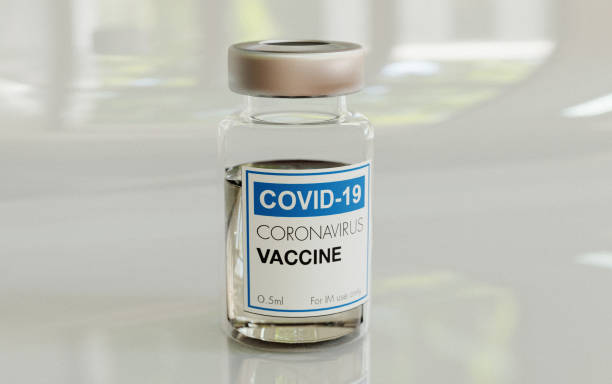
About two years ago, the mRNA COVID-19 vaccines became available, which initially seemed to be some of the most effective vaccines ever developed. But soon afterward we begin to see breakthrough infections; people contracting COVID even though they had been vaccinated. We learned that Sars-CoV-2 virus was like Harry Houdini; an expert escape artist, but from our immune system. New variants were evolving containing mutations that enabled the virus to escape the protection conferred by vaccines. But even as the newer variants were able to cause breakthrough infections in vaccinated individuals, the vaccines continued to provide protection from hospitalization and deaths, particularly among older individuals. Now we have a new vaccine, which contains the original vaccine but also a newer component derived from the elusive Omicron variant. And now, a recent study estimates that these vaccines prevented 18.5 million hospitalizations and more than 3 million deaths between December 2020 and November 2023. But have all high-risk groups benefited from the vaccines?

On October 19, 2021, we learned of the passing of General Colin Powell, who among other accomplishments, became the first African-American Secretary of State. General Powell died from complications of COVID-19 at the age of 84, even though he had been fully vaccinated.

This unfortunately created a window for folks questioning the effectiveness of vaccines, to proclaim “See? He was vaccinated and still got infected and died!” But is this a fair claim? Besides the issue of his advanced age, General Powell suffered from multiple myeloma. Multiple myeloma is a type of cancer of the blood that affects the very white blood cells that produce antibodies that protect us from infections. Instead, these blood cells produce defective antibodies that actually harm the body.

You May Also Like
Psoriatic Arthritis Can Feel Beyond Your Control. Consider a Different Direction. Learn More Here. Psoriatic Arthritis Can Feel Beyond Your Control. Consider a Different Direction. Learn More Here.

So with multiple myeloma, it is almost certain that the vaccines could not provide adequate protection against the coronavirus since he could likely not produce antibodies that were functional or in sufficient quantity. To complicate things further, some treatments for multiple myeloma kill the cancerous cells, but these are the cells that produce the antibodies! So, unfortunately, because of the disease and/or its treatment, General Powell likely got no benefit from the vaccinations.

I use this very real example to introduce the topic of COVID-19 vaccines in people who have immunosuppressive conditions.  These could result from certain types of medical conditions or result from the use of medications that suppress the immune system in order to control other diseases. The basic premise here is that a specific medical condition or drug suppresses the normal immune response so that the vaccine response is less than what is necessary to protect from coronavirus.

So what are some of these conditions and medications?

You May Also Like
Get GLP-1s Delivered to You As Low As $99/Month! Get GLP-1s Delivered to You As Low As $99/Month!

Cancers are at the front of the line. We’ve just discussed multiple myeloma and there are other cancers of the blood (e.g. leukemias, lymphomas) that affect the normal functioning of the immune system. But beyond that, some anticancer medications may kill infection-fighting cells of the immune system as a side-effect of killing cancer cells.

People who have organ transplants (e.g. kidney transplants) take medicines that specifically suppress the immune system. This is important to keep the body from recognizing the transplanted organ as “foreign” and launching the immune system against it, which would cause the body to reject the organ.

Unfortunately, this can put the person at risk for infections because the immune system is weakened and cannot fight off a pathogen, like coronavirus.  This also means that the protective immune response to a vaccine could be blunted.

There are a variety of medical conditions that are autoimmune and inflammatory conditions. These diseases result from an overactive immune system to the point that the immune system actually attacks the person’s own body. These include diseases like Lupus (Systemic Lupus Erythematosus), Rheumatoid arthritis. Psoriasis and Inflammatory Bowel diseases such as Crohn’s Disease and Ulcerative Colitis. 

The way these diseases are treated is with the use of corticosteroids, other drugs or compounds that block the activation of the immune system or suppress inflammatory chemicals. Not surprisingly, the treatments for these diseases could interfere with the effectiveness of a vaccine, which uses the immune system to produce protective antibodies.

For decades, researchers have studied the effects of these medical conditions and their treatments on the protection we get from vaccines. After 2 years of COVID-19 vaccines, we have some good ideas of how these diseases and medications affect the response to COVID-19 vaccinations.

Different vaccines work differently in their interaction with the immune system so any particular disease or medication is not going to affect all types of vaccines the same. This article doesn’t cover every medical condition or therapy that could affect the response to COVID-19 vaccination but it should lead you to have discussions with your medical provider about how you can best be protected against this dangerous virus.

By Dr. Keith Crawford | Published January 9, 2023

The Latest In COVID-19

immunosuppressants

Summer COVID-19 Cases Are on the Rise – What You Should Know

COVID-19 cases are rising this summer across much of the United States, with 27 states reporting growing or likely growing trends, according to the Centers for Disease Control and Prevention. As of mid-July, states like Texas, Illinois, Kentucky, Virginia and read more about Summer COVID-19 Cases Are on the Rise – What You Should Know
COVID vaccines

CDC Ends COVID Vaccine Recommendation for Healthy Children, Pregnant Women

In a recent announcement, the Centers for Disease Control and Prevention has removed COVID-19 vaccines from the recommended immunization schedule for healthy pregnant women and children. Flanked by federal health officials, Health and Human Services Secretary Robert F. Kennedy Jr. read more about CDC Ends COVID Vaccine Recommendation for Healthy Children, Pregnant Women
2 Groundbreaking Clinical Trials That Have Helped Black Health

2 Groundbreaking Clinical Trials That Have Helped Black Health

Clinical trials have long been the cornerstone of medical advancement, but their impact is especially meaningful when they represent the full diversity of the populations they aim to serve. During a recent panel discussion on Clinical Trials Day, industry leaders read more about 2 Groundbreaking Clinical Trials That Have Helped Black Health
COVID-19 pandemic

Racial and Ethnic Differences Persist in COVID-19, According to Survey

Sponsored by Gilead Sciences Racial and ethnic disparities in health care have long been a problem in the U.S.1 For many Black communities and other minority groups, a lack of health insurance, less access to quality medical care, and socioeconomic read more about Racial and Ethnic Differences Persist in COVID-19, According to Survey
pandemic

5 Years Later: How the Pandemic Changed Us

March marks five years since the world shut down and announced a global pandemic. Does it feel like it’s been five years? We have seen several historic events, elections, economic shifts, and so much more. How has this changed us read more about 5 Years Later: How the Pandemic Changed Us
COVID

5 Years Later: Did COVID Change Anything for Black America?

Five years ago, on March 11, 2020, the World Health Organization declared COVID-19 a pandemic, a moment that irrevocably altered the course of global history. Tuesday, March 11th, 2025, marked the fifth anniversary. Since then, millions of Americans have been read more about 5 Years Later: Did COVID Change Anything for Black America?

Primary Sidebar

Subscribe to our newsletter

Icon

Caring for You, Too - Caregiver Workbook

1 file(s) 297 KB
Download

Trending Articles

7 Things You Should Never Do To Lose Weight!

lose weight

12 Reasons Why It Feels Like Your Heart Rate Won’t Slow Down

congestive heart failure symptoms

What Is Congestive Heart Failure?

congestive heart failure

5 Reasons Your Hair Texture Changes

hair texture

Top 10 Dirtiest Places in Your Home

dirtiest places in your home
Find a Culturally Sensitive Doctor

Footer

Where Wellness & Culture Connect

BDO is the world’s largest and most comprehensive online health resource specifically targeted to African Americans. BDO understands that the uniqueness of Black culture - our heritage and our traditions - plays a role in our health. BDO gives you access to innovative new approaches to the health information you need in everyday language so you can break through the disparities, gain control and live your life to its fullest.

Connect With Us

Resource Centers

  • Top Blacks in Healthcare
  • Clinical Trials
  • Wellness on the Yard
  • Cancer
  • Immunocompromised Care
  • About Us
  • Privacy Policy
  • Cookie Policy
  • Terms of Service
  • Careers
  • Advertise With Us
  • Advertising & Sponsorship Policy
  • Daily Vitamina
  • TBH

Copyright © 2025, Black Doctor, Inc. All rights reserved.