• Skip to main content
  • Skip to secondary menu
  • Skip to primary sidebar
  • Skip to footer
BlackDoctor.org
Where Wellness & Culture Connect

Where Wellness & Culture Connect

  • Conditions
  • Wellness
  • Lifestyle
  • Longevity
  • Clinical Trials
  • Resources
    • Generational Health
    • Top Blacks in Healthcare 2025
    • Hall Of Fame
    • Clinical Trials Resource Center
    • Obesity Resource Center
    • Cancer Resource Center
    • Wellness on the Yard
    • Immunocompromised Care
    • BDO Resource Library
  • Find A Doctor
  • BDO TV
Home / Health Conditions / COVID-19 / Fighting COVID-19 with an Immunocompromising Condition: Tips for Staying Healthy

Fighting COVID-19 with an Immunocompromising Condition: Tips for Staying Healthy

immunocompromised

Even though it may seem like it, the COVID pandemic is not over. The Omicron variant has more mutations than any of the earlier variants making it more successful at evading our immune system and the protection of vaccines. In spite of this serious challenge, vaccines still offer a degree of protection, especially from hospitalization and death. The newer “bivalent vaccine” actually combines a component derived from the Omicron variant and the original vaccine developed two years ago. However, all individuals do not respond to the vaccine equally.

A clinical study led by Dr. Lannard Lee (University of Oxford, London), found that people with cancer, especially blood cancers affecting the immune system (leukemia, lymphoma), were 36 times less likely to generate protective levels of antibodies from COVID vaccinations than in people without cancer. So Immunocompromised individuals may have a disease like cancer that interferes with the effectiveness of the vaccine.

Alternatively, a person can be on a medication that works by suppressing the immune system or inflammation, which could weaken the response to the vaccine.

You May Also Like
Psoriatic Arthritis Can Feel Beyond Your Control. Consider a Different Direction. Learn More Here. Psoriatic Arthritis Can Feel Beyond Your Control. Consider a Different Direction. Learn More Here.

For example, people may be taking a class of drugs called steroids that suppress the immune system to treat a disease like asthma or rheumatoid arthritis.


Many drugs that treat cancers or inflammatory skin conditions use medication that suppress the immune system. Interestingly, patients with HIV infection, an immunocompromised state, appear to be protected by COVID vaccination, particularly if the HIV virus is controlled by medication.

A special medication was developed to prevent COVID-19 disease in people with immunocompromised conditions; a sort of vaccine substitute. This medication called Evusheld consists of a combination of two monoclonal antibodies (tixagevumab and cilgavimab) against coronavirus.

You May Also Like
Get GLP-1s Delivered to You As Low As $99/Month! Get GLP-1s Delivered to You As Low As $99/Month!

With a single injection of each medicine, a person would be protected from coronavirus infection for several weeks. While it has been deemed effective for previous variants, unfortunately, Evusheld does not provide protection against developing COVID-19 for individuals who are later exposed to sub-variant XBB.1.5, and possibly other sub-variants of Omicron. So what additional steps can you take to stay healthy?

Take extra precautions

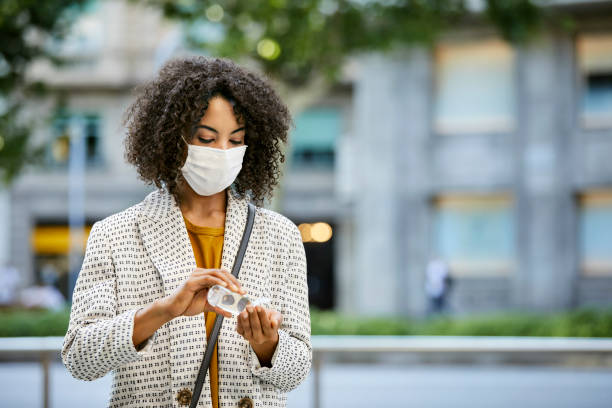
COVID rates are increasing again, especially as people spend more time indoors during the winter months. Large, indoor gatherings should be avoided, or at least, a mask should be worn. Cloth surgical masks do provide some protection but a KN95 or N95 mask provides the best protection.

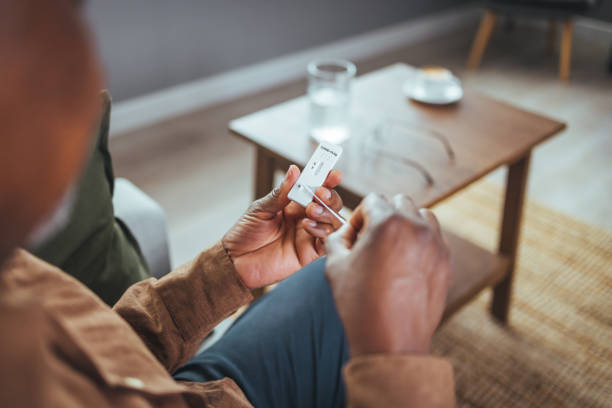
Masks also protect against other respiratory viruses such as influenza virus (flu vaccines are available) and Respiratory Syncytial Virus (RSV), both viruses are causing increased numbers of infections. Try to maintain 6 feet of distance between yourself and other people who do not live in your home with you. Get tested often. There are a variety of home tests that you can use, or you can visit a local testing clinic and receive instant results.

Talk to your doctor

It is imperative to discuss COVID precautions with your medical provider. Whether they are an oncologist treating cancers or a rheumatologist treating inflammatory conditions like Lupus or arthritis, all medical providers should be well-versed in the guidelines for protection from COVID and the use of vaccines. It is possible that even if the vaccines are less effective because of a disease or medications, being fully vaccinated and boosted could provide some level of protection, even if not optimal.

Get Oral treatments if you test positive

Paxlovid, an oral pill has been available for over a year to treat COVID-19. The treatment is very effective, but it must be started within 5 days of experiencing symptoms. If you have symptoms, take a home test or get tested at a Pharmacy or clinic. If you test positive, ask your medical provider to send a prescription to your pharmacy. Treatment lasts for five days. If you can’t get a prescription, some pharmacies may still be able to provide you the medication if you have a positive test. This treatment is effective against Omicron sub-variants and also for immunocompromised individuals. It may interact with other medications you may be taking so be sure to tell your doctor and pharmacist all medications you are taking, including non-prescription drugs.

The potential for vaccine protection to be lessened in people who are immunocompromised means that other prevention measures must be maximized (e.g. masks, social distancing), and preparations should be in place to initiate COVID treatment if the person becomes infected.  Regular home testing is key, especially if COVID symptoms occur (cough, fever, SOB, altered smell or taste, fatigue, sore throat, runny nose, or congestion). If you do not have a medical provider, consult with your county or city health department and see what resources they have available.

By Dr. Keith Crawford | Published January 31, 2023

The Latest In COVID-19

immunosuppressants

Summer COVID-19 Cases Are on the Rise – What You Should Know

COVID-19 cases are rising this summer across much of the United States, with 27 states reporting growing or likely growing trends, according to the Centers for Disease Control and Prevention. As of mid-July, states like Texas, Illinois, Kentucky, Virginia and read more about Summer COVID-19 Cases Are on the Rise – What You Should Know
COVID vaccines

CDC Ends COVID Vaccine Recommendation for Healthy Children, Pregnant Women

In a recent announcement, the Centers for Disease Control and Prevention has removed COVID-19 vaccines from the recommended immunization schedule for healthy pregnant women and children. Flanked by federal health officials, Health and Human Services Secretary Robert F. Kennedy Jr. read more about CDC Ends COVID Vaccine Recommendation for Healthy Children, Pregnant Women
2 Groundbreaking Clinical Trials That Have Helped Black Health

2 Groundbreaking Clinical Trials That Have Helped Black Health

Clinical trials have long been the cornerstone of medical advancement, but their impact is especially meaningful when they represent the full diversity of the populations they aim to serve. During a recent panel discussion on Clinical Trials Day, industry leaders read more about 2 Groundbreaking Clinical Trials That Have Helped Black Health
COVID-19 pandemic

Racial and Ethnic Differences Persist in COVID-19, According to Survey

Sponsored by Gilead Sciences Racial and ethnic disparities in health care have long been a problem in the U.S.1 For many Black communities and other minority groups, a lack of health insurance, less access to quality medical care, and socioeconomic read more about Racial and Ethnic Differences Persist in COVID-19, According to Survey
pandemic

5 Years Later: How the Pandemic Changed Us

March marks five years since the world shut down and announced a global pandemic. Does it feel like it’s been five years? We have seen several historic events, elections, economic shifts, and so much more. How has this changed us read more about 5 Years Later: How the Pandemic Changed Us
COVID

5 Years Later: Did COVID Change Anything for Black America?

Five years ago, on March 11, 2020, the World Health Organization declared COVID-19 a pandemic, a moment that irrevocably altered the course of global history. Tuesday, March 11th, 2025, marked the fifth anniversary. Since then, millions of Americans have been read more about 5 Years Later: Did COVID Change Anything for Black America?

Primary Sidebar

Subscribe to our newsletter

Icon

Caring for You, Too - Caregiver Workbook

1 file(s) 297 KB
Download

Trending Articles

How to Treat Hidradenitis Suppurativa in Black People

How to Treat Hidradenitis Suppurativa in Black People

5 Early Signs of Bed Bugs You Need To Know

early signs of bed bugs

Why I Did Clinical Trials for TNBC: “It Very Likely Saved And Extended My Life”

Why I Did a Trial for TNBC: "It Very Likely Saved And Extended My Life"

This Clinical Trial Reversed a Rare Cause of Vision Loss

This Clinical Trial Reversed a Rare Cause of Vision Loss

What Black Americans Need to Know Clinical Trials for Lung Cancer

lung cancer clinical trials
Find a Culturally Sensitive Doctor

Footer

Where Wellness & Culture Connect

BDO is the world’s largest and most comprehensive online health resource specifically targeted to African Americans. BDO understands that the uniqueness of Black culture - our heritage and our traditions - plays a role in our health. BDO gives you access to innovative new approaches to the health information you need in everyday language so you can break through the disparities, gain control and live your life to its fullest.

Connect With Us

Resource Centers

  • Top Blacks in Healthcare
  • Clinical Trials
  • Wellness on the Yard
  • Cancer
  • Immunocompromised Care
  • About Us
  • Privacy Policy
  • Cookie Policy
  • Terms of Service
  • Careers
  • Advertise With Us
  • Advertising & Sponsorship Policy
  • Daily Vitamina
  • TBH

Copyright © 2025, Black Doctor, Inc. All rights reserved.