
Hormonal imbalance at all ages can cause you to regularly experience anxiety, depression, hair loss, acne, and fatigue.
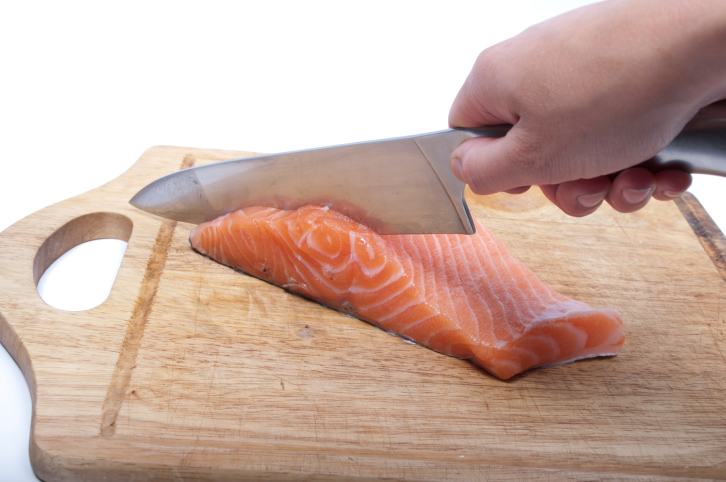
One way to combat this is to have a healthy diet. Eat only organic foods and avoid processed ones. By doing so, you detoxify your body. You also lose extra fat, which contains excess estrogens that are responsible for hormonal imbalance. Also, eat lots of fish, shellfish, pumpkin seeds, green vegetables, and walnuts. These contain essential fatty acids that balance the levels of the hormone prostaglandin in your system.
What Hormones Do to the Body
Hormones act as the body’s chemical messengers, coordinating and controlling a wide range of essential functions. Released by the endocrine system, these powerful signaling molecules travel through the bloodstream to target organs and tissues, where they bind to specific receptors to trigger a response.
You May Also Like
Major functions of hormones
Growth and development
Growth hormone: Released by the pituitary gland, this hormone stimulates cell reproduction and regeneration, prompting overall growth, particularly in children and adolescents.
Thyroid hormones: These hormones regulate the body’s metabolic rate, which affects the speed at which the body converts food into energy. This process is essential for normal growth and development.
Metabolism and energy balance
You May Also Like

- Insulin: Produced by the pancreas, insulin is a critical hormone that allows your body’s cells to absorb glucose (sugar) from the bloodstream for energy.
- Glucagon: This hormone also comes from the pancreas and works in opposition to insulin. It raises blood sugar levels by prompting the liver to release stored glucose.
- Adrenal hormones: The adrenal glands release hormones like cortisol, which help regulate blood sugar and metabolism in response to stress.
Stress response
- Cortisol: Often called the “stress hormone,” cortisol helps control inflammation, regulate blood pressure, and manage the body’s use of carbohydrates, fats, and proteins.
- Adrenaline (epinephrine): When the body perceives danger, the adrenal glands release adrenaline, which triggers the “fight-or-flight” response. This increases heart rate, blood pressure, and energy supply to prepare for action.
Sexual and reproductive health
- Estrogen and progesterone: Produced mainly in the ovaries, these hormones regulate the menstrual cycle, support pregnancy, and control the development of female sexual characteristics.
- Testosterone: The testes produce this hormone, which is responsible for male sexual characteristics, maturation, and sperm production.
Mood and mental well-being
- Serotonin and dopamine: These are both hormones and neurotransmitters that can influence your mood, behavior, and feelings of pleasure.
- Estrogen: Changes in estrogen levels have a significant impact on mood and anxiety.
- Cortisol: While necessary for managing stress, chronically high cortisol levels can negatively affect mood.
Sleep-wake cycle
- Melatonin: The pineal gland produces melatonin, which helps regulate your circadian rhythm and promotes feelings of sleepiness at night.
Foods that Balance Your Hormones
Organic Meat
There has been much speculation about the hormonal additives in meat. The good news is there are a variety of organic meats which can be purchased just about anywhere groceries are sold. Organic meat maybe more expensive, however the benefits of reducing the amount of hormones you eat in your everyday diet will usually far outweigh any extra money you have spent. Obviously, the best solution would be to cut out meats completely from your diet. However, this is not always a practical solution. In fact, there are many people who simply enjoy consuming meat far too much to ever give it up completely.
Estrogen Flushing Foods
There are certain foods which actually work to help flush away estrogen deposits. These foods contain sulforaphane and indole-3 carbinol. These substances are primarily found in cruciferous and leafy vegetables. Eating these vegetables will work by improving your liver’s function in metabolizing estrogen in a period of less than seven days, in some cases. A good suggestion would be to eat at least 8 ounces of brussel sprouts, cauliflower, broccoli, cabbage, spinach and a variety of other green leafy vegetables every day. It is important that you not overcook your vegetables as this will kill any of the nutrients your body may require. In addition, make sure you drink at least one cup of water eight times a day in order to help flush the toxins out of your body.
Flaxseeds
Flaxseeds are a powerhouse for hormone balance. They contain lignans—plant compounds that can help modulate estrogen levels in the body. Flax is also a great source of fiber, which supports gut health and detoxification, ensuring excess hormones are excreted properly.
Cruciferous Vegetables (Broccoli, Kale, Brussels Sprouts, Cauliflower)
These vegetables contain a compound called indole-3-carbinol, which supports the liver in metabolizing excess estrogen. Regularly eating cruciferous veggies may help reduce symptoms of estrogen dominance, such as PMS, fibroids, and weight gain around the hips and thighs.
Estrogen-Blocking Foods
There are even foods that actually help to block estrogen. Certain foods like nuts, olives, avocados and a variety of seeds aid your body in producing progesterone, which of course helps cancel out and block estrogen. Studies have shown that women can increase their weight loss by at least two times by simply adding an ounce of seeds or nuts to their diet each day. For women who do not enjoy the taste of nuts or seeds, 1 tablespoon of olive oil will do the trick. There are some foods you must avoid at all costs if you are attempting to block estrogen from your body. Among these foods are bacon, sausage, licorice, beer and soy.
Phytoestrogens
Include food with phytoestrogens in your diet. Usually found in cauliflower, cabbage, beans, lentils, and chickpeas, these compounds balance the production of estrogens in your body. Another common food that provides extraordinary results is garlic. Aside from being an antioxidant, it also improves thyroid function and cleans the lymph system, all of which are vital to restore the functioning of your body’s endocrine system. Lastly, drink green tea, which has high levels of catechins. These compounds promote healthy hormonal balance by increasing the body’s production of detoxifying enzymes.
Turmeric
Curcumin, the active compound in turmeric, is known for its powerful anti-inflammatory properties. Chronic inflammation disrupts hormone balance, so turmeric can help regulate cortisol and insulin levels while supporting liver detoxification of excess hormones.
Chickpeas and Lentils
These legumes are excellent plant-based protein sources that stabilize blood sugar, which is key to hormone balance. They’re also high in zinc and B vitamins, which support ovulation, testosterone production, and adrenal function.
Dark Chocolate (70% or Higher)
Dark chocolate in moderation can actually support hormones. It’s high in magnesium, antioxidants, and compounds that boost serotonin, helping balance stress hormones and improve mood.