
• Skip to main content
  • Skip to secondary menu
  • Skip to primary sidebar
  • Skip to footer
BlackDoctor.org
Where Wellness & Culture Connect

Where Wellness & Culture Connect

  • Conditions
  • Wellness
  • Lifestyle
  • Longevity
  • Clinical Trials
  • Resources
    • Generational Health
    • Top Blacks in Healthcare 2025
    • Hall Of Fame
    • Clinical Trials Resource Center
    • Obesity Resource Center
    • Cancer Resource Center
    • Wellness on the Yard
    • Immunocompromised Care
    • BDO Resource Library
  • Find A Doctor
  • BDO TV
Home / Longevity / Psoriatic Arthritis Learning Center / How to Ease Back Into Exercise After Surgery

How to Ease Back Into Exercise After Surgery

surgery

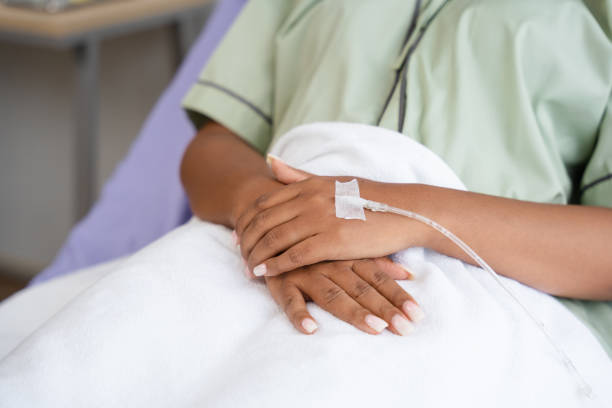
Patients who've had surgery should ease back into movement and exercise.

These efforts may be small, but they're better than nothing, according to one surgeon who emphasized the importance of listening to your body.

"The most important thing is patient comfort. After surgery, there is often this apprehension of, 'If I move or do something, I will hurt or damage the area where I had surgery,'" says Dr. Adil Ahmed, an assistant professor in the Department of Orthopedic Surgery at Baylor College of Medicine in Houston. "We must counsel patients pre-op and post-op, telling them what is safe to do in terms of physical activity because they should be mobile."

You May Also Like
Psoriatic Arthritis Can Feel Beyond Your Control. Consider a Different Direction. Learn More Here. Psoriatic Arthritis Can Feel Beyond Your Control. Consider a Different Direction. Learn More Here.

RELATED: The Ultimate Guide to Arthritis Surgery

Tips for post-op recovery

Start by doing small tasks after surgery. For shoulder replacement patients in a sling and with limited mobility for four weeks, move your fingers, open and close your hands, squeeze a stress ball and flex and extend the wrist and elbow, Ahmed suggested. This can keep the joints from getting stiff and prevent swelling.

"In those first four weeks, you're doing very gentle, rotational motions because you want everything to heal, and then you progress in therapy and remove those restrictions," he said in a Baylor news release. "Once your motion begins to improve, you begin strengthening."

You May Also Like
Get GLP-1s Delivered to You As Low As $99/Month! Get GLP-1s Delivered to You As Low As $99/Month!

If your arm is in a sling, just focus on getting out of bed on your own, going to the bathroom alone or putting on and taking off clothes and shoes.

After that, you can slowly start going back into physical activity, such as walking with gentle motion.

Modify your exercise routine during recovery by focusing on the areas that you can move instead of being sedentary, Ahmed advised.

After a shoulder replacement, use your free arm to hold a broomstick and move it around. Progressively start using heavier sticks to strengthen the other arm.

If it's your wrist or elbow that's healing, focus on working your legs and core. You can gradually start incorporating your arm workout into your routine as well, Ahmed said.

Basic workouts using resistance bands can be a good idea.

"If you can get to the gym and do something, even if it isn't your normal routine, that's great. Something is always better than nothing," Ahmed said.

Controlled movements are best to minimize pain. Riding a stationary bike, for example, elevates the heart rate with low impact. This is an easy workout even if your arm is restricted in a sling. Walking is encouraged after surgery.

Start light when you do return to the gym, Ahmed recommended.

"It's always a progression, and you never want to hit the weights right away. You should start with light bodyweight exercises, much less than you were doing before surgery, because it's not about getting strong right away. You must do everything within the same motion parameters because the natural body response is to power through pain, which is how you injure yourself," he said.

Use pain as your guide when beginning physical activity after surgery, Ahmed suggested.

If something hurts, that should be the upper threshold limit to you.

Avoid suffering through the pain. Gaining motion is more important during the recovery period than strengthening.

Patients often fall into two groups: overcautious, which can cause stiffness and a longer recovery, and aggressive, pushing too far too fast.

Patients with fractures that involve a joint need to use more care because the joint can shift, which may cause the patient to develop arthritis for life.

Patients should ask their surgeons a number of questions, Ahmed said. They should ask about range of motion including, "Is it safe to move or not? Are there any restrictions on movement?" They should ask about weight bearing: "Can I weight bear or not? Can I push, pull or lift items?"

They should also ask if they need to be in the sling constantly or can take it off for a certain amount of time. Also ask about therapy, including when to start and whether you should do basic home exercises.

"I try to make a point to tell patients this information, but it's important with any type of surgery -- not just the extremities -- to ask these questions," Ahmed said.

By Jessica Daniels, BDO Staff Writer | Published May 2, 2023

The Latest In Psoriatic Arthritis Learning Center

arthritis

Cold Weather Making Your Joints Ache? Try These 6 Tips

As the temperature drops, you might notice your joints feeling stiffer, achier, and generally more ornery. If you have arthritis, cold weather doesn’t cause your condition, but it can make your symptoms worse. Fortunately, with a few simple strategies, you read more about Cold Weather Making Your Joints Ache? Try These 6 Tips
psoriatic arthritis

Is Your Psoriatic Arthritis Getting Worse?

How you experience psoriatic arthritis (PsA) will be unique to you, however, studies show that Blacks with PsA have more psychological effects than whites. Fortunately, though there are a few ways to tell if your PsA is getting worse. New read more about Is Your Psoriatic Arthritis Getting Worse?
hip replacement

What to Expect During Rehab After Hip Replacement

You've braved the journey of arthritis and emerged stronger with a new hip. Hip replacement surgery is a transformative step towards a life free from chronic pain and limited mobility, but remember that rehabilitation afterward takes time. It'll also take read more about What to Expect During Rehab After Hip Replacement
exercise and psoriasis

The Surprising Truth of Psoriasis & Exercise

It ain’t easy living with skin issues. If you’re scratching and itching and feeling like you wanna yank your skin off, you’ve probably got more than just a normal problem. The question is, what is it? Because oftentimes, darker skin read more about The Surprising Truth of Psoriasis & Exercise
psoriasis

This 3-Step Routine Helps Control Post-Workout Psoriasis Flare-ups

Regular exercise is a great way to keep stress at bay and weight in check, both of which may help control psoriasis. Psoriasis is a skin condition that shows up as dry, itchy patches anywhere on the body that can read more about This 3-Step Routine Helps Control Post-Workout Psoriasis Flare-ups
psoriasis flare-ups

From Flare-ups to Fabulous – Navigating Life with Psoriasis

Living with psoriasis can be a challenging journey, filled with ups and downs that can make anyone feel overwhelmed. But fear not, for you are not alone in this battle. If you or a loved one is struggling with psoriasis, read more about From Flare-ups to Fabulous – Navigating Life with Psoriasis

Primary Sidebar

Subscribe to our newsletter

Icon

Caring for You, Too - Caregiver Workbook

1 file(s) 297 KB
Download

Trending Articles

7 Things You Should Never Do To Lose Weight!

lose weight

12 Reasons Why It Feels Like Your Heart Rate Won’t Slow Down

congestive heart failure symptoms

How to Treat Hidradenitis Suppurativa in Black People

How to Treat Hidradenitis Suppurativa in Black People

What Is Congestive Heart Failure?

congestive heart failure

5 Reasons Your Hair Texture Changes

hair texture
Find a Culturally Sensitive Doctor

Footer

Where Wellness & Culture Connect

BDO is the world’s largest and most comprehensive online health resource specifically targeted to African Americans. BDO understands that the uniqueness of Black culture - our heritage and our traditions - plays a role in our health. BDO gives you access to innovative new approaches to the health information you need in everyday language so you can break through the disparities, gain control and live your life to its fullest.

Connect With Us

Resource Centers

  • Top Blacks in Healthcare
  • Clinical Trials
  • Wellness on the Yard
  • Cancer
  • Immunocompromised Care
  • About Us
  • Privacy Policy
  • Cookie Policy
  • Terms of Service
  • Careers
  • Advertise With Us
  • Advertising & Sponsorship Policy
  • Daily Vitamina
  • TBH

Copyright © 2025, Black Doctor, Inc. All rights reserved.