
• Skip to main content
  • Skip to secondary menu
  • Skip to primary sidebar
  • Skip to footer
BlackDoctor.org
Where Wellness & Culture Connect

Where Wellness & Culture Connect

  • Conditions
  • Wellness
  • Lifestyle
  • Longevity
  • Clinical Trials
  • Resources
    • Generational Health
    • Top Blacks in Healthcare 2025
    • Hall Of Fame
    • Clinical Trials Resource Center
    • Obesity Resource Center
    • Cancer Resource Center
    • Wellness on the Yard
    • Immunocompromised Care
    • BDO Resource Library
  • Find A Doctor
  • BDO TV
Home / Health Conditions / Preterm Birth / Low Blood Sugar In Newborns Tied To Brain Problems Later

Low Blood Sugar In Newborns Tied To Brain Problems Later

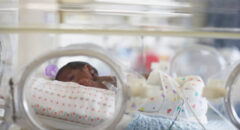
African American father holding newborn babyLow blood sugar affects about one in six newborns, and new research suggests it could lead to brain difficulties in childhood.

Babies who experience low blood sugar at or near birth are at least two to three times more likely to face problems with planning, memory, attention, problem-solving and visual-motor coordination by the age of 4.5, New Zealand researchers said.

The low blood sugar (glucose) did not affect general thinking function or IQ, but it did affect problem-solving and other skills known as "executive functioning," and also eye-hand coordination, the findings showed. These are crucial for many tasks, said study leader Chris McKinlay. He is a neonatologist at the Liggins Institute at the University of Auckland.

"We don't know fully what this means for learning," McKinlay said. "We think this may have an effect on educational achievement."

You May Also Like

Psoriatic Arthritis Can Feel Beyond Your Control. Consider a Different Direction. Learn More Here. Psoriatic Arthritis Can Feel Beyond Your Control. Consider a Different Direction. Learn More Here.

Low blood sugar in newborns, known as "neonatal hypoglycemia," is the most common preventable cause of brain damage in infancy. Those at risk of low blood sugar include babies born prematurely, those small or large for their gestational age, and those born to mothers with diabetes.

For these high-risk infants, it is common to do a blood glucose test, using a heel prick. If the level is too low, the child can be treated with a form of sugar to return it to normal levels.
In the study, McKinlay's team followed 477 infants who were born between December 2006 and November 2010. About half of the babies were diagnosed with low blood sugar at birth and treated. Most of those in the study received continued monitoring of the blood sugars; some infants whose low blood sugar was not detected at birth turned out to have it later.

At a follow-up at the age of about 4.5 years, the researchers found that low blood sugar levels were linked with certain brain function difficulties. However, the study only found an association and couldn't prove a cause-and-effect relationship.

You May Also Like
Get GLP-1s Delivered to You As Low As $99/Month! Get GLP-1s Delivered to You As Low As $99/Month!

For the study, low blood sugar was defined as at least one episode of blood sugar concentration less than 47 milligrams per deciliter (mg/dL), a severe episode with blood sugar under 36 mg/dL, or recurrent (three or more) hypoglycemic episodes.

The important finding is that the effects of low blood sugar in newborns may show up later, said Dr. Saima Aftab, medical director of the Fetal Care Center at Nicklaus Children's Hospital in Miami. She reviewed the study findings but was not involved in the research.

McKinlay tells parents to be aware of the risk factors for low blood sugar, and be sure your newborn has blood glucose measured. If the values are low, he said, ask for that test to be confirmed. He recommends asking for it be confirmed by a lab glucose test rather than a bedside strip meter test.

Aftab tells parents to pay close attention if the pediatrician tells you that your newborn has low blood sugar. "As a parent, you know you have to work very closely with your pediatrician to make sure your child is reaching developmental milestones at the right time," she said.

Blood glucose "is fuel for the brain," she explained. It's crucial to help the brain grow and develop, especially in the newborn periods, when numerous connections are being made.

The study was published online Aug. 7 in JAMA Pediatrics.

More information

Visit the U.S. National Institutes of Health for more on newborn low blood sugar.

By Derrick Lane | Published August 9, 2018

The Latest In Preterm Birth

preterm birth

What I Wish I Knew: The Truth About Preterm Birth for Black Women

In the world of maternal healthcare, few voices resonate with as much urgency and clarity as Dr. Kim Bruno’s. A healthcare provider with 17 years of experience, Dr. Bruno has transitioned from private practice to Sera Prognostics’ Associate Director of read more about What I Wish I Knew: The Truth About Preterm Birth for Black Women
preterm labor

My Water Broke 3 Weeks Early—Here’s What I Wish I Knew About Preterm Labor

Pregnancy is often a journey filled with anticipation, excitement, and a touch of nervousness. But for many women, it can also come with unexpected challenges. "My first daughter was born at 37 weeks and caught me completely by surprise. She read more about My Water Broke 3 Weeks Early—Here’s What I Wish I Knew About Preterm Labor
preterm birth

A Blood Test That Could Change Everything for Black Moms-to-Be

For Black women, the journey to motherhood comes with unique challenges. One in 10 babies in the US are born preterm. Black mothers are 50 percent more likely to experience preterm birth—one of the leading causes of infant mortality—compared to non-Hispanic read more about A Blood Test That Could Change Everything for Black Moms-to-Be
preterm birth

5 Things Black Women Should Know About Preterm Birth

Having a 'bun in the oven' can be a time of excitement and joy about what's to come, but if your bun doesn't 'bake' long enough, that can be cause for serious concern. According to the CDC, in 2021, preterm read more about 5 Things Black Women Should Know About Preterm Birth
preterm birth

Hot Mama? Extreme Temperatures May Increase Risk For Preterm Birth

  Expectant mothers worried about their chances of having a premature baby may want to be more mindful of the weather. RELATED: 5 Things Black Women Should Know About Preterm Birth According to research, exposure to extreme hot or cold read more about Hot Mama? Extreme Temperatures May Increase Risk For Preterm Birth
premature baby

9 Things You Need To Know About Preterm Baby Care

Bringing home a new, premature, baby can be a very scary experience for new parents. After weeks and sometimes months in NICU, who would know all the factors that go into after-care for your precious tiny preemie? Registered Nurse, Terry read more about 9 Things You Need To Know About Preterm Baby Care

Primary Sidebar

Subscribe to our newsletter

Icon

Caring for You, Too - Caregiver Workbook

1 file(s) 297 KB
Download

Trending Articles

Weight Loss Challenge: Lose 10 Pounds In 2 Weeks!

lose 10 pounds in 2 weeks

Stage 4 Lung Cancer: Why I Said Yes to a Clinical Trial

Stage 4 Lung Cancer: Why I Said Yes to a Clinical Trial

Top 10 Ways to Improve Your Digestion Naturally

digestion

This Clinical Trial Is Making HIV Treatment Easier for Black People

This Clinical Trial Is Making HIV Treatment Easier for Black People

A Clinical Trial Extended the Life of Women With Hard-to-Treat Breast Cancer

A Clinical Trial Extended the Life of Women With Hard-to-Treat Breast Cancer
Find a Culturally Sensitive Doctor

Footer

Where Wellness & Culture Connect

BDO is the world’s largest and most comprehensive online health resource specifically targeted to African Americans. BDO understands that the uniqueness of Black culture - our heritage and our traditions - plays a role in our health. BDO gives you access to innovative new approaches to the health information you need in everyday language so you can break through the disparities, gain control and live your life to its fullest.

Connect With Us

Resource Centers

  • Top Blacks in Healthcare
  • Clinical Trials
  • Wellness on the Yard
  • Cancer
  • Immunocompromised Care
  • About Us
  • Privacy Policy
  • Cookie Policy
  • Terms of Service
  • Careers
  • Advertise With Us
  • Advertising & Sponsorship Policy
  • Daily Vitamina
  • TBH

Copyright © 2025, Black Doctor, Inc. All rights reserved.