
Menu

The Skincare Guide Every Menopausal Woman Needs

Table of Contents
menopause skin care

Menopause does not occur suddenly. The official definition of it is missing a period for a full year. While the exact timing varies, it usually happens around age 51.

Numerous outcomes result from this hormonal shift, including:

  1. Weariness
  2. Vaginal dryness or discomfort, and 
  3. Hot flushes

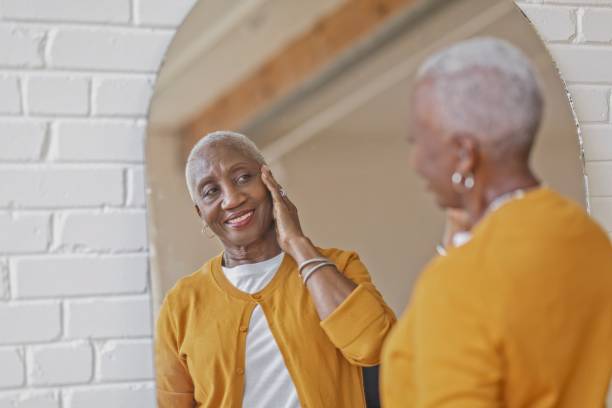
Skin changes are quite typical during menopause. Your skin may feel thin and dry before and throughout this period, or you may start to detect more wrinkles. Because of hormonal changes during menopause, some women may develop acne.

Featured on BlackDoctor

What Are Typical Skin Issues During Menopause?

Most people notice a change in their skin due to the rapid decline in estrogen and progesterone levels that occurs with menopause. The skin may lose moisture or elasticity.

Additionally, vasomotor symptoms/VMS (more commonly known as hot flashes) and fluctuating hormone levels can also lead to acne. Collagen decreases by 30% in the first five years of menopause, then by about 2% every year for the following 20 years, according to the American Academy of Dermatology.

RELATED: Menopause: How it Can Affect the Body menopause skin care

Why Does Skin Alter When a Woman Enters Menopause?

Although it can be upsetting, menopausal skin changes are quite common.

It is collagen that gives skin its structure and plumpness. Rapid collagen loss can result in fine lines, wrinkles, and cheek drooping. Acne and dry skin are both prevalent.

Dehydrated skin is prevalent after menopause due to a decline in estrogen, a hormone that aids in the skin’s production of oil and water retention.

As androgen levels rise and sebum production increases, resulting in clogged pores, some people will also have acne.

Can Menopause Skin Changes Be Avoided?

For someone with a uterus, menopause is unavoidable and healthy, but that doesn’t mean they’ll enjoy the side effects, which include skin shifts.

You may not be able to stop menopause from harming your skin, but you may take precautions at home to maintain your skin’s healthiest appearance.

Sun exposure is one of the leading causes of skin aging, so it’s crucial to apply SPF every day, even when it’s cloudy. Use a salicylic acid-based cleanser to combat hormonal acne. 

Additionally, hydration is crucial for menopausal skin. Your face and body are likely to feel drier than normal. Using a moisturizer containing hyaluronic acid may help the skin retain moisture. Hyaluronic acid moisturizers work best when applied to damp skin so the component can bind with water.

Ceramide-containing moisturizers can stop moisture from evaporating, and using face oil on top of a moisturizer boosts hydration.

In addition to skincare products, eating hydrating foods, drinking lots of water, and attempting to get enough sleep are usually beneficial.

RELATED: 9 Steps To Great Health After Menopause menopause skin care

What Are the Remedies for Menopausal Skin Changes?

Your doctor could recommend hormone replacement treatment (HRT) if the menopausal skin changes are particularly bothersome for you and are in conjunction with other symptoms, such as vaginal dryness.

In other instances, if HRT doesn’t seem the best option, they could suggest a herbal HRT substitute like valerian root or dietary adjustments that might help balance hormones.

BOTOX injections might also lessen the visibility of wrinkles.

Menopause can cause an increase in facial hair. Therefore laser hair removal might be a viable solution.

What Can You Do at Home to Treat Menopausal Skin Changes?

New products and formulae are constantly being developed in skincare. A quality moisturizer is the simplest at-home treatment for menopausal skin. Pro-aging substances should also be used, including retinol, vitamin C, glycolic and lactic acids, and SPF.

Limit your intake of alcohol, caffeine, and processed and greasy foods, and stay hydrated.

How Long Does Menopausal Acne Last?

Menopausal acne can be annoying, especially if you haven’t broken out in years. However, after hormone levels balance out, acne outbreaks typically disappear.

In the interim, try utilizing products containing acne-fighting chemicals like retinol and salicylic acid.

Conclusion

All women who still have periods will eventually experience menopause. In addition to hot flashes, exhaustion, weight gain, and occasionally irritability and night sweats, skin changes such as increased hormonal acne, dryness, and thinning or drooping of the skin are also typical during this period. menopause skin care

Related Stories
Answer the question below
What areas do you try to improve in spring?

Get our Weekly Newsletter

Stay informed on the latest breakthroughs in family health and wellness. Sign up today!

By subscribing, you consent to receive emails from BlackDoctor.com. You may unsubscribe at any time. Privacy Policy & Terms of Service.

More from BlackDoctor

Where Culture Meets Care

BlackDoctor is the world’s largest and most comprehensive online health resource specifically for the Black community. BlackDoctor understands that the uniqueness of Black culture - our heritage and our traditions - plays a role in our health. BlackDoctor gives you access to innovative new approaches to the health information you need in everyday language so you can break through the disparities, gain control and live your life to its fullest.
✦ AI Search Disclaimer
This AI-powered search tool helps you find relevant health articles from the BlackDoctor.org archive. Please keep the following in mind:
✦ For Informational Purposes Only
The information provided through this AI search is for general educational and informational purposes only. It is not intended as a substitute for professional medical advice, diagnosis, or treatment.
✦ Always Consult a Healthcare Provider
Never disregard professional medical advice or delay seeking it because of something you have read through this search tool. If you have a medical emergency, call your doctor or 911 immediately.
✦ AI Limitations
This search tool uses artificial intelligence to help match your queries with articles in our archive. While we strive for accuracy, AI-generated results may occasionally be incomplete, outdated, or not fully relevant to your specific situation.
✦ No Doctor-Patient Relationship
Using this search tool does not create a doctor-patient relationship between you and BlackDoctor.org or any healthcare provider.
Explore over 35,000 articles and videos across black health, wellness, lifestyle and culture
Full AI Search Experience >
×

Download PDF

Enter your name and email to receive the download link.