
• Skip to main content
  • Skip to secondary menu
  • Skip to primary sidebar
  • Skip to footer
BlackDoctor.org
Where Wellness & Culture Connect

Where Wellness & Culture Connect

  • Conditions
  • Wellness
  • Lifestyle
  • Longevity
  • Clinical Trials
  • Resources
    • Generational Health
    • Top Blacks in Healthcare 2025
    • Hall Of Fame
    • Clinical Trials Resource Center
    • Obesity Resource Center
    • Cancer Resource Center
    • Wellness on the Yard
    • Immunocompromised Care
    • BDO Resource Library
  • Find A Doctor
  • BDO TV
Home / Health Conditions / Fibroids / Smoggy Air Might Raise Black Women’s Odds for Fibroids

Smoggy Air Might Raise Black Women’s Odds for Fibroids

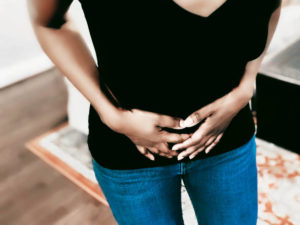
Exposure to ozone air pollution may make Black women more likely to develop fibroids.

Compared to women exposed to the lowest levels of the pollutant, Black women exposed to the highest levels had a 35% increased risk for developing the non-cancerous growths in and around their uterus. The link was even stronger among women younger than 35 and those who had given birth.

Exactly how, or even if, exposure to ozone pollution affects fibroid development is not fully understood.

You May Also Like
Psoriatic Arthritis Can Feel Beyond Your Control. Consider a Different Direction. Learn More Here. Psoriatic Arthritis Can Feel Beyond Your Control. Consider a Different Direction. Learn More Here.

"[But] we know that air pollution causes inflammation and an immune response, which are related to fibroids," says study author Amelia Wesselink, an assistant professor at Boston University School of Public Health.

The study — published in the May issue of the journal Human Reproduction — adds to a small, but growing body of literature that hints at a link between air pollution and fibroids. It is the first to show such a link in Black women, who are known to be disproportionately affected by fibroids, Wesselink says.

Researchers looked at three air pollutants in 56 U.S. cities between 1997 and 2011 — particulate matter smaller than 2.5 microns (PM2.5), nitrogen dioxide (NO2) and ozone.

You May Also Like
Get GLP-1s Delivered to You As Low As $99/Month! Get GLP-1s Delivered to You As Low As $99/Month!

The study included almost 22,000 premenopausal Black women in these cities who were part of an ongoing health study. Women answered questionnaires every two years and were followed until 2019.

During the 14-year study period, close to 30% reported having a diagnosis of fibroids that was confirmed by ultrasound or surgery.


The risk of such self-reported fibroids increased with rising levels of ozone in the atmosphere, but this link was not seen with PM2.5 or NO2, the study showed.

The findings held even after researchers controlled for other factors that could affect the outcome, including other air pollutants, economic status, access to or quality of health care, and lifestyle factors related to fibroid risk.

"It is unclear why we did not see an association with the two other pollutants," Wesselink says. "It could be that there is a mechanism unique to ozone that is yet to be uncovered."

For example, ozone is related to the presence of sunlight as is vitamin D, and vitamin D deficiency may be driving this link. The study did not measure vitamin D exposure.

More research is needed to confirm the findings, Wesselink says.

"Ideally, we would screen an entire population to measure development of fibroids over time so that we aren't relying on self-reported diagnosis," she says. This would also catch women who have no symptoms.

Not all fibroids cause symptoms, but those that do may result in heavy or painful periods, stomach and back pain, constipation, the frequent need to urinate, and pain or discomfort during sex, according to Dr. Jennifer Wu, an obstetrician-gynecologist at Lenox Hill Hospital in New York City.

Family history, hormone levels and pregnancy are known to increase the odds of developing the growths.

"Fibroids grow in response to hormones and tend to shrink during menopause, when hormone levels drop," says Wu, who was not involved in the research.

"Pollution may be a contributing factor to fibroid development in some women," she says. The good news is that there are many treatments for fibroids that cause bothersome symptoms, including medication and minimally invasive procedures.

Dr. Marianthi Kioumourtzoglou, an assistant professor of environmental health sciences at Columbia Mailman School of Public Health in New York City, called this "a very important study."

She said there has been little research into how environmental exposures affect this aspect of women's health.

Air pollution has been linked to lung, heart and brain disease, mood disorders, and pregnancy and birth-related outcomes, says Kioumourtzoglou, who reviewed the new findings.

Besides moving, which is not feasible for most people, it can be hard to reduce exposure to ozone and other sources of air pollution, she pointed out.

"Masks definitely help," she adds.

More information

Learn more about the diagnosis and treatment of fibroids at the American College of Obstetricians and Gynecologists.


By Cara Jones, BDO Staff Writer | Published July 20, 2021

The Latest In Fibroids

fibroids

Why We Need to Talk About Fibroids—And Stop Normalizing the Pain

Uterine fibroids are one of the most common reproductive health conditions—yet they remain shrouded in silence, stigma, and misinformation. Even though up to 80 percent of women will develop fibroids at some point in their lives, the condition is still read more about Why We Need to Talk About Fibroids—And Stop Normalizing the Pain
fibroids

Living With Fibroids: “My Uterus Was the Size of a 6 Month Pregnancy”

During their cycles, many women experience heavy bleeding, bloating, cramps, migraines, etc. Many of these symptoms are a normal part of going through your period. However, what many women don’t know is that, in some cases, they can also be read more about Living With Fibroids: “My Uterus Was the Size of a 6 Month Pregnancy”
Venus Williams

Venus Williams Opens Up About Her 30-Year Battle With Fibroids: “You Don’t Have to Settle”

Venus Williams, one of the most decorated athletes in tennis history, is no stranger to pushing through pain. With four Olympic gold medals, seven Grand Slam titles, and over $42 million in prize money, she has long embodied perseverance and read more about Venus Williams Opens Up About Her 30-Year Battle With Fibroids: “You Don’t Have to Settle”
fibroids

What MOST Women Don’t Know About Fibroids

Fibroids, or uterine leiomyomas, are not cancerous.  But that doesn’t mean they can’t cause problems. Affecting up to 80 percent of women by age 50, fibroids come in all shapes and sizes. For many women, these uterine tumors are silent, read more about What MOST Women Don’t Know About Fibroids
foods for fibroids

7 Fibroid-Fighting Foods You’ll Love

A combination of the right foods is a powerful healing agent to the body that travels as chemicals through the body’s hormonal system. Our body absorbs the vitamins, nutrients and minerals food provides to sustain a well-adjusted and functioning body.  read more about 7 Fibroid-Fighting Foods You’ll Love

5 Surgeries Black People Should Avoid

Since 2005, more than 1,000 doctors have made payments to settle or close malpractice claims in surgical cases that involved allegations of unnecessary or inappropriate procedures, according to a USA TODAY analysis of the U.S. government's National Practitioner Data Bank read more about 5 Surgeries Black People Should Avoid

Primary Sidebar

Subscribe to our newsletter

Icon

Caring for You, Too - Caregiver Workbook

1 file(s) 297 KB
Download

Trending Articles

12 Reasons Why It Feels Like Your Heart Rate Won’t Slow Down

heart rate

How to Treat Hidradenitis Suppurativa in Black People

How to Treat Hidradenitis Suppurativa in Black People

5 Early Signs of Bed Bugs You Need To Know

early signs of bed bugs

This Clinical Trial Reversed a Rare Cause of Vision Loss

This Clinical Trial Reversed a Rare Cause of Vision Loss

What Black Americans Need to Know Clinical Trials for Lung Cancer

lung cancer clinical trials
Find a Culturally Sensitive Doctor

Footer

Where Wellness & Culture Connect

BDO is the world’s largest and most comprehensive online health resource specifically targeted to African Americans. BDO understands that the uniqueness of Black culture - our heritage and our traditions - plays a role in our health. BDO gives you access to innovative new approaches to the health information you need in everyday language so you can break through the disparities, gain control and live your life to its fullest.

Connect With Us

Resource Centers

  • Top Blacks in Healthcare
  • Clinical Trials
  • Wellness on the Yard
  • Cancer
  • Immunocompromised Care
  • About Us
  • Privacy Policy
  • Cookie Policy
  • Terms of Service
  • Careers
  • Advertise With Us
  • Advertising & Sponsorship Policy
  • Daily Vitamina
  • TBH

Copyright © 2025, Black Doctor, Inc. All rights reserved.