• Skip to main content
  • Skip to secondary menu
  • Skip to primary sidebar
  • Skip to footer
BlackDoctor.org
Where Wellness & Culture Connect

Where Wellness & Culture Connect

  • Conditions
  • Wellness
  • Lifestyle
  • Longevity
  • Clinical Trials
  • Resources
    • Generational Health
    • Top Blacks in Healthcare 2025
    • Hall Of Fame
    • Clinical Trials Resource Center
    • Obesity Resource Center
    • Cancer Resource Center
    • Wellness on the Yard
    • Immunocompromised Care
    • BDO Resource Library
  • Find A Doctor
  • BDO TV
Home / Health Conditions / Pulmonary Hypertension / The Silent Killer Hiding In Your Veins

The Silent Killer Hiding In Your Veins

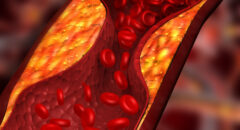
Tennis star Serena Williams battled it and it was the cause of the untimely death of rapper Heavy D and Tommy from the hit show “Martin”. And there are more people who are affected by this than we initially realized. The disease that is hiding is called Deep Vein Thrombosis (DVT).

Currently, the Surgeon General’s Call to Action report highlighted the scope and impact seriousness of DVT. The report stated that as many as 180,000 to 300,000 deaths occur annually due to DVT and pulmonary embolism (PE) in the United States alone. Although many of these events are preventable, there are a large proportion of DVT events that occur spontaneously, without any signs or symptoms. This has led the Department of Health to make the prevention of this “silent killer” across the NHS a priority.

Some people do not know they have a DVT until the clot moves from their leg or arm and travels to their lung which can cause a pulmonary embolism.

How Common Is This Killer?

Each year, approximately 1 to 3 in every 1,000 adults develop a DVT or pulmonary embolism in the United States, and up to 300,000 people die each year as a result of DVT/PE. It’s the third most common vascular disease, behind heart attacks and strokes. Acute DVT/PE can occur at any age, but are less common in children and adolescents and more common in those over the age of 60. More than half of all DVTs happen as a result of being in the hospital from a medical illness or following surgery. The reason why DVTs are more common after a hospital stay is because you’re lying in bed most of the time instead of moving around like you normally would.

You May Also Like
Psoriatic Arthritis Can Feel Beyond Your Control. Consider a Different Direction. Learn More Here. Psoriatic Arthritis Can Feel Beyond Your Control. Consider a Different Direction. Learn More Here.

Symptoms You Should Worry About: Pulmonary Embolism

Symptoms of a pulmonary embolism include:

  • Sudden shortness of breath or fast breathing
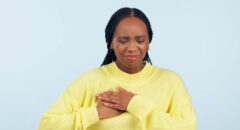
  • Sharp chest pain that often comes with coughing or movement
  • Pain in the back
  • Cough (sometimes with bloody sputum/phlegm)
  • Sweating more than normal
  • Fast heartbeat
  • Feeling dizzy or fainting

Symptoms You Should Worry About: DVT

Don’t let DVT get that far. Here are five of the top symptoms to look out for:

1. Leg Pain
With large blood clots, pain and tenderness can occur in the leg affected—particularly when standing, climbing stairs, or walking.

You May Also Like
Get GLP-1s Delivered to You As Low As $99/Month! Get GLP-1s Delivered to You As Low As $99/Month!

2. Swelling
Swelling, particularly around the affected area (i.e., calf or thigh) may occur with a worsening clot.

3. Feverish Skin
Another common sign shows itself in the affected leg with skin that is warm to the touch or even feverish.
4. Patchy Skin
The leg afflicted with the blood clot may also turn red and patches of discolored skin may develop along the thigh or calf muscle.

5. Bloody Coughing
Sudden and unexplained coughing may occur with bloody mucus within.

vein

You Can Help Prevent It If you:

  • Wear loose-fitting clothes, socks, or stockings.
  • Raise your legs 6 inches above your heart from time to time.
  • Wear special stockings (called compression stockings) if your doctor prescribes them.
  • Do exercises your doctor gives you.
  • Change your position often, especially during a long trip.
  • Do not stand or sit for more than 1 hour at a time.
  • Eat less salt.
  • Try not to bump or hurt your legs and try not to cross them.
  • Do not use pillows under your knees.
  • Raise the bottom of your bed 4 to 6 inches with blocks or books.
  • Take all medicines the doctor prescribes you.

What Is Your Estimated Risk?

Blood Clots: High Risk

    • Hospital stay
    • Major surgery, such as abdominal/pelvic surgery
    • Knee or hip replacement
    • Major trauma: automobile accident or fall
    • Nursing home living
    • Leg paralysis

Blood Slows: Moderate Risk

  • Older than age 65
  • Trips over 4 hours by plane, car, train, or bus
  • Active cancer/chemotherapy
  • Bone fracture or cast
  • Birth control pills, patch, or ring
  • Hormone replacement therapy
  • Pregnancy or recently gave birth
  • Prior blood clot or family history of clot
  • Heart failure
  • Bed rest over 3 days
  • Obesity
  • Genetic/hereditary or acquired blood clotting disorder

Blood Flows: Average Risk

  • Active
  • Younger than age 40
  • No history of blood clots in immediate family
  • No conditions or illnesses that heighten clotting risk

Practical Steps to Lower Your Risk

  • Ask your doctor about need for “blood thinners” or compression stockings to prevent clots, whenever you are admitted to the hospital
  • Lose weight, if you are overweight
  • Stay active
  • Exercise regularly; walking is fine
  • Avoid long periods of staying still
  • Get up and move around at least every hour whenever you travel on a plane, train, or bus, particularly if the trip is longer than 4 hours
  • Point and flex your toes and make circles with your feet if you cannot move around while sitting for prolonged periods to get your blood circulating
  • Stop at least every two hours when you drive, and get out and move around
  • Drink a lot of water and wear loose fitted clothing when you travel
  • Talk to your doctor about your risk of clotting whenever you take hormones, whether for birth control or replacement therapy, or during and right after any pregnancy
  • Follow any self-care measures to keep heart failure, diabetes, or any other health issues as stable as possible


Visit the BlackDoctor.org High Blood Pressure center for more articles.

By Morgan Curley | Published January 12, 2024

January 12, 2024 by Dr. P. Gould

The Latest In Pulmonary Hypertension

5 Foods that Help Prevent Blood Clots

Blood clots are made of proteins, platelets, and other cells in the blood that thicken and stick together. When you cut yourself, a blood clot forms over the injury. This stops the bleeding and helps the wound to heal. Once read more about 5 Foods that Help Prevent Blood Clots
resistant hypertension resistant hypertension treatment resistant hypertension definition resistant hypertension icd 10 definition of resistant hypertension most common cause of resistant hypertension definition resistent hypertension resistent hypertension management of resistant hypertension resistant hypertension causes treatment resistant hypertension therapy resistant hypertension what is resistant hypertension define resistant hypertension drug resistant hypertension insulin resistance and hypertension hypertension and insulin resistance hypertension insulin resistance icd 10 code for resistant hypertension medication resistant hypertension resistant hypertension icd 10 code which resistance training system is most appropriate for hypertensive clients causes of resistant hypertension hypertension resistant icd 10 resistant hypertension insulin resistance hypertension resistant hypertension workup treatment-resistant hypertension renal denervation: a new approach to treatment of resistant hypertension resistant hypertension drug of choice resistant hypertension guidelines criteria for resistant hypertension definition resistant hypertension resistant hypertension criteria aafp resistant hypertension criteria for resistant hypertension aafp resistant hypertension aafp resistant hypertension treatment guidelines treatment for resistant hypertension treatment of resistant hypertension what causes resistant hypertension a disorder associated with obesity hypertension and insulin resistance aha resistant hypertension aha resistant hypertension guidelines apparent resistant hypertension apparent treatment resistant hypertension baxdrostat for treatment-resistant hypertension best medication for resistant hypertension causes for resistant hypertension clonidine for resistant hypertension diagnosis and management of resistant hypertension drug of choice for resistant hypertension drug resistant hypertension treatment drugs for resistant hypertension dynamic resistance exercise for hypertension how do you treat resistant hypertension how does hypertension cause insulin resistance how does insulin resistance cause hypertension how is resistant hypertension treated how to control resistant hypertension how to treat resistant hypertension

This Clinical Trial Can Help End Resistant High Blood Pressure

High blood pressure, also known as hypertension, is a common health problem that can lead to serious conditions like heart disease and stroke. Black adults in the United States are more likely to have high blood pressure than others, and read more about This Clinical Trial Can Help End Resistant High Blood Pressure

8 Drinks That Lower High Blood Pressure Fast

Heart failure is real, and it often begins with high blood pressure. It's a silent killer for many in the African-American community. If you aren’t experiencing high blood pressure, then you most likely know someone who is. According to the read more about 8 Drinks That Lower High Blood Pressure Fast

7 Drinks that Help Unclog Arteries Fast!

Clogged arteries or atherosclerosis is considered a major underlying cause of heart disease, including coronary artery disease, the most common type of heart disease in the United States. Atherosclerosis is the underlying cause of about 50% of deaths in Western read more about 7 Drinks that Help Unclog Arteries Fast!
Blood Pressure Monitors

How To Check Your Blood Pressure At Home

Home blood pressure monitoring can be a good way for you and your doctor to learn how your blood pressure changes during the day. You can use one of two types of blood pressure monitors, and each has pros and read more about How To Check Your Blood Pressure At Home
pulmonary hypertension

5 Uncommon Symptoms of Pulmonary Hypertension

A relatively rare disease, pulmonary hypertension causes high blood pressure in the arteries of your lungs, potentially triggering all kinds of issues with your breathing, heart, and other areas of the body. But did you know there are less common read more about 5 Uncommon Symptoms of Pulmonary Hypertension

Primary Sidebar

Subscribe to our newsletter

Icon

Caring for You, Too - Caregiver Workbook

1 file(s) 297 KB
Download

Trending Articles

12 Reasons Why It Feels Like Your Heart Rate Won’t Slow Down

heart rate

How to Treat Hidradenitis Suppurativa in Black People

How to Treat Hidradenitis Suppurativa in Black People

5 Early Signs of Bed Bugs You Need To Know

early signs of bed bugs

This Clinical Trial Reversed a Rare Cause of Vision Loss

This Clinical Trial Reversed a Rare Cause of Vision Loss

What Black Americans Need to Know Clinical Trials for Lung Cancer

lung cancer clinical trials
Find a Culturally Sensitive Doctor

Footer

Where Wellness & Culture Connect

BDO is the world’s largest and most comprehensive online health resource specifically targeted to African Americans. BDO understands that the uniqueness of Black culture - our heritage and our traditions - plays a role in our health. BDO gives you access to innovative new approaches to the health information you need in everyday language so you can break through the disparities, gain control and live your life to its fullest.

Connect With Us

Resource Centers

  • Top Blacks in Healthcare
  • Clinical Trials
  • Wellness on the Yard
  • Cancer
  • Immunocompromised Care
  • About Us
  • Privacy Policy
  • Cookie Policy
  • Terms of Service
  • Careers
  • Advertise With Us
  • Advertising & Sponsorship Policy
  • Daily Vitamina
  • TBH

Copyright © 2025, Black Doctor, Inc. All rights reserved.