• Skip to main content
  • Skip to secondary menu
  • Skip to primary sidebar
  • Skip to footer
BlackDoctor.org
Where Wellness & Culture Connect

Where Wellness & Culture Connect

  • Conditions
  • Wellness
  • Lifestyle
  • Longevity
  • Clinical Trials
  • Resources
    • Generational Health
    • Top Blacks in Healthcare 2025
    • Hall Of Fame
    • Clinical Trials Resource Center
    • Obesity Resource Center
    • Cancer Resource Center
    • Wellness on the Yard
    • Immunocompromised Care
    • BDO Resource Library
  • Find A Doctor
  • BDO TV
Home / Health Conditions / Pulmonary Hypertension / The Top 5 Heart-Healthy Diets of 2023

The Top 5 Heart-Healthy Diets of 2023

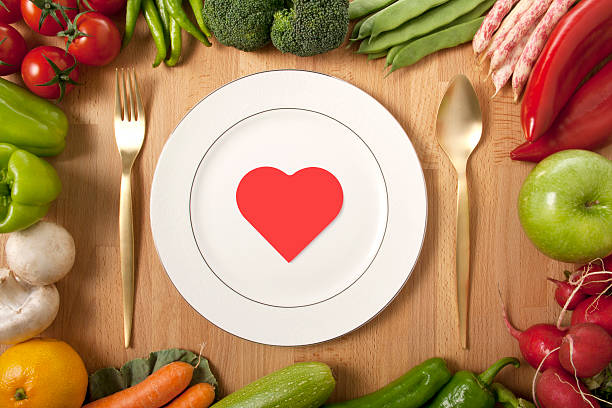
heart healthy diet

Each year, a panel of leading medical and nutrition experts works with U.S. News & World Report to review a wide range of diets and put their stamp on the ones they find to be the best healthy eating options. The panel members look at a variety of factors, including how healthy the eating plans are, how easy they are to follow and how well they work.

Below, we break down the best diets of 2023 and what you need to know about each, including how to follow the diet, what foods are included and what health benefits they may offer.

RELATED: "Balance" Is Key For a Heart Healthy Diet

You May Also Like
Psoriatic Arthritis Can Feel Beyond Your Control. Consider a Different Direction. Learn More Here. Psoriatic Arthritis Can Feel Beyond Your Control. Consider a Different Direction. Learn More Here.

The Mediterranean diet

The Mediterranean diet refers to the traditional eating habits of the people who live in the 16-plus countries that border the Mediterranean Sea. Though the word "diet" is in its name, it's not one particular diet, but rather more of a broad eating pattern. The Mediterranean diet has proven to be heart-healthy and helpful in reducing risk factors that can potentially lead to obesity, diabetes, high cholesterol and high blood pressure.

While the eating styles vary among the peoples of the different Mediterranean countries, their diets have many factors in common, including:

  • Lots of fruits and vegetables
  • Nuts and seeds
  • Carbs, including whole grains, potatoes and beans
  • Low to moderate amounts of dairy products (such as cheese), fish, poultry and eggs
  • Olive oil as a main source of healthy fat

The Mediterranean diet also limits certain foods, including:

You May Also Like
Get GLP-1s Delivered to You As Low As $99/Month! Get GLP-1s Delivered to You As Low As $99/Month!

  • Sugar
  • Salt
  • Foods that are heavily processed
  • High-fat and processed meats
  • Refined carbs
  • Saturated fats

According to the Centers for Disease Control and Prevention, the Mediterranean diet can help with weight loss and help with managing diabetes. The Mediterranean diet emphasizes eating nutrient-rich, high-fiber foods, which may help with controlling blood sugar and managing your weight.

Wine is optional on the Mediterranean diet. In moderation, red wine may lower the risk of heart disease. If you include wine in your Mediterranean diet, limit yourself to one glass per day, and consume it during a meal rather than before or after.

The Mediterranean diet also encourages exercise, as fitness may help with blood sugar management and reduce the risk of nerve damage and cardiovascular disease.

Some examples of foods you can eat on the Mediterranean diet include:

  • Tuna, salmon, trout or mackerel (preferably served grilled)
  • Low-fat Greek or plain yogurt
  • A variety of herbs and spices as no-sodium substitutes for salt
  • Whole grain or vegetable noodles
  • Green leafy vegetables

RELATED: 5 Reasons to Enrich Your Diet With Plant-Based Options

The DASH diet

Like the Mediterranean diet, the Dietary Approaches to Stop Hypertension (DASH) diet is not any one specific diet, but rather a flexible, heart-healthy eating pattern that's a good option for people who need to control their blood pressure (hence the abbreviation). The DASH diet was created from research funded by the National Heart, Lung, and Blood Institute (NHLBI), a government agency under the National Institutes of Health (NIH).

The DASH diet has been shown to help reduce the risk of high blood pressure, which can cause damage to your heart and affect how well the kidneys function over time.

Eating foods high in sodium as part of your regular diet can also cause the body to hold onto excess water, which in turn can mean more work for your organs. The harder they work, the greater the risk of potential health complications.

Rather than recommending specific foods, the DASH diet emphasizes eating a broad range of foods, including:

  • Antioxidant-rich fruits and vegetables
  • Whole grains
  • Dairy products that are fat-free or low-fat
  • Nuts
  • Beans
  • Fish
  • Poultry
  • Vegetable oils

In addition, the DASH diet recommends avoiding or limiting foods high in saturated fat, including:

  • Full-fat dairy products
  • Fatty meats
  • Tropical oils, including coconut, palm and palm kernel oils

The DASH diet also recommends avoiding or limiting:

  • Desserts and other sweets
  • Sugary drinks, such as soda and juices
  • High-sodium processed snack foods, such as chips and pretzels

Another key element of the DASH diet is limiting sodium to at most 2,300 milligrams (mg) a day — with aiming for a maximum of 1,500 mg of sodium a day being an even better goal. For reference, a single teaspoon of salt has 2,300 mg of sodium.

On the DASH diet, it's best to:

  • Use low-salt, low-fat cooking methods, such as baking, roasting and steaming
  • Avoid foods that are marinated, canned, smoked, breaded or cured
  • Prepare rice, pasta and other foods without adding salt to them. Instead, use herbs and spices, as they’ll add flavor but not sodium to your meals.

Be sure to read the nutrition facts label on packaged foods, which can be a major source of sneaky sodium. Look for those labeled "reduced sodium" or "no salt added" to help cut down on your sodium intake.

The DASH diet also recommends making wise choices when eating out at restaurants — another significant source of high-sodium foods. Request any sauces or dressings to be served on the side so you can control how much you use, and ask your waiter what low-sodium menu items are available.

Some examples of foods you can eat on the DASH diet include:

  • Baked chicken without skin
  • Fat-free or low-fat cheese
  • Fresh or frozen vegetables (prepared steamed or roasted)
  • Fruits canned in their own juice
  • Kidney beans and other beans
  • Canned tuna in water

The flexitarian diet

The term "flexitarian" is relatively new — a combination of "flexible" and "vegetarian" — and it's just what its name suggests: flexible. It's considered more of a broad eating pattern than a traditional set diet because while it's a plant-focused diet, it allows for occasional red meat and fish, which are good sources of protein. Eggs and dairy may also be eaten on occasion.

The flexitarian diet has been shown to reduce the risk of some types of cancer and heart disease. It can also assist in managing your weight and may help prevent diabetes.

The flexitarian diet doesn't set specific calorie counts or require complicated food tracking. Instead, the idea is to increase the number of plants or plant-based foods in your diet over time and to eat meat, dairy and eggs less often.

The flexitarian diet emphasizes eating foods such as:

  • A variety of fruits and vegetables
  • Whole grains
  • Legumes (such as beans and lentils)
  • Nuts

When beginning a flexitarian diet, cut meat from your diet 2 days a week, and eat no more than about 3 ounces (roughly equivalent to the size of a deck of cards) each time. After a while, you can go from 5 days of meat a week down to 3 or 4. Eventually, you want to eat vegetarian 5 to 7 days a week and limit your meat consumption to just 1 or 2 days a week (no more than a total of 9 ounces of meat a week).

Any beef, chicken or turkey you eat should be labeled as organic, free-range, pasture-raised or grass-fed, and should be lean cuts. Fish should be labeled as wild-caught.

Some examples of foods you can eat on the flexitarian diet include:

  • Black beans
  • Tofu
  • Brown rice
  • Quinoa
  • Lentils
  • Plant-based milks (such as soy, almond, coconut and pea milks)
  • Nut butters

RELATED: 6 Reasons Why Your Diet Isn’t Working

The MIND diet

The Mediterranean-DASH Intervention for Neurodegenerative Delay (MIND) diet combines two of the other diets on this list — the Mediterranean diet and the DASH diet — with the aim of reducing brain function decline as you age.

As with the Mediterranean and DASH diets, the emphasis is on eating:

  • Whole grains
  • A variety of fruits and berries
  • A variety of vegetables (especially green leafy ones)
  • Healthy fats, such as olive oil
  • Fish
  • Poultry

The MIND diet highlights berries specifically as healthy fruit options because they're high in antioxidants, which can help reduce oxidative stress. This kind of stress is thought to cause cellular damage in the body, especially in the brain.

The MIND diet also highlights green leafy vegetables, as they may help reduce the risk of cognitive decline.

The MIND diet should be combined with other healthy habits, such as:

  • Exercise
  • Not smoking
  • Prioritizing quality sleep

Foods to avoid (or at least limit) on the MIND diet include:

  • Pastries and other sweets and desserts
  • Cheese
  • Fried foods
  • Butter and stick margarine
  • Beef, pork, lamb and other food items made from these sources

Some examples of foods you can eat on the MIND diet include:

  • Raspberries
  • Blueberries
  • Spinach
  • Lettuce
  • Chicken
  • Turkey
  • Fish
  • Nuts
  • Olive oil

The TLC diet

The Therapeutic Lifestyle Changes (TLC) diet is an expansion of the DASH diet. This diet is a three-part program — part diet, part physical activity and part weight management. The TLC diet or TLC program is used to help people reduce high cholesterol (including those on medication).

Cholesterol is a fatty substance the consistency of wax that can build up in the walls of cells. When your body makes too much cholesterol, it can get stuck in the artery walls and cause blockages that may lead to heart attacks and coronary artery disease (CAD).

The diet part of the TLC program includes:

  • Limiting saturated fat to 7% or less of daily calories
  • Consuming less than 200 mg a day of dietary cholesterol
  • Eating the appropriate amount of calories for you to maintain a healthy weight

You'll want to make sure to read nutrition labels when looking for foods that fit the TLC diet, specifically looking at saturated fat, cholesterol and calories.

Saturated fats are those that are typically solid at room temperature or when placed in the refrigerator. Foods highest in saturated fats include:

  • Fatty meats
  • Poultry with skin on
  • Whole-milk dairy products
  • Lard
  • Certain vegetable oils (such as coconut oil and palm oil)

Foods that are high in dietary cholesterol also tend to be high in saturated fats, so you'll want to avoid these foods as well. They're usually foods that come from animals, such as:

  • Liver and other organ meats
  • Shrimp
  • Egg yolks
  • Whole-milk dairy products

Some examples of foods you can eat on the TLC diet include:

  • Oatmeal and oat bran
  • Bananas
  • Apples
  • Berries
  • Broccoli
  • A variety of beans, including black, kidney and white beans
  • Lentils
  • Chickpeas
  • Barley
  • Chicken without skin
By Cara Jones, BDO Staff Writer | Published January 25, 2023

The Latest In Pulmonary Hypertension

5 Foods that Help Prevent Blood Clots

Blood clots are made of proteins, platelets, and other cells in the blood that thicken and stick together. When you cut yourself, a blood clot forms over the injury. This stops the bleeding and helps the wound to heal. Once read more about 5 Foods that Help Prevent Blood Clots
resistant hypertension resistant hypertension treatment resistant hypertension definition resistant hypertension icd 10 definition of resistant hypertension most common cause of resistant hypertension definition resistent hypertension resistent hypertension management of resistant hypertension resistant hypertension causes treatment resistant hypertension therapy resistant hypertension what is resistant hypertension define resistant hypertension drug resistant hypertension insulin resistance and hypertension hypertension and insulin resistance hypertension insulin resistance icd 10 code for resistant hypertension medication resistant hypertension resistant hypertension icd 10 code which resistance training system is most appropriate for hypertensive clients causes of resistant hypertension hypertension resistant icd 10 resistant hypertension insulin resistance hypertension resistant hypertension workup treatment-resistant hypertension renal denervation: a new approach to treatment of resistant hypertension resistant hypertension drug of choice resistant hypertension guidelines criteria for resistant hypertension definition resistant hypertension resistant hypertension criteria aafp resistant hypertension criteria for resistant hypertension aafp resistant hypertension aafp resistant hypertension treatment guidelines treatment for resistant hypertension treatment of resistant hypertension what causes resistant hypertension a disorder associated with obesity hypertension and insulin resistance aha resistant hypertension aha resistant hypertension guidelines apparent resistant hypertension apparent treatment resistant hypertension baxdrostat for treatment-resistant hypertension best medication for resistant hypertension causes for resistant hypertension clonidine for resistant hypertension diagnosis and management of resistant hypertension drug of choice for resistant hypertension drug resistant hypertension treatment drugs for resistant hypertension dynamic resistance exercise for hypertension how do you treat resistant hypertension how does hypertension cause insulin resistance how does insulin resistance cause hypertension how is resistant hypertension treated how to control resistant hypertension how to treat resistant hypertension

This Clinical Trial Can Help End Resistant High Blood Pressure

High blood pressure, also known as hypertension, is a common health problem that can lead to serious conditions like heart disease and stroke. Black adults in the United States are more likely to have high blood pressure than others, and read more about This Clinical Trial Can Help End Resistant High Blood Pressure

8 Drinks That Lower High Blood Pressure Fast

Heart failure is real, and it often begins with high blood pressure. It's a silent killer for many in the African-American community. If you aren’t experiencing high blood pressure, then you most likely know someone who is. According to the read more about 8 Drinks That Lower High Blood Pressure Fast

7 Drinks that Help Unclog Arteries Fast!

Clogged arteries or atherosclerosis is considered a major underlying cause of heart disease, including coronary artery disease, the most common type of heart disease in the United States. Atherosclerosis is the underlying cause of about 50% of deaths in Western read more about 7 Drinks that Help Unclog Arteries Fast!
Blood Pressure Monitors

How To Check Your Blood Pressure At Home

Home blood pressure monitoring can be a good way for you and your doctor to learn how your blood pressure changes during the day. You can use one of two types of blood pressure monitors, and each has pros and read more about How To Check Your Blood Pressure At Home
pulmonary hypertension

5 Uncommon Symptoms of Pulmonary Hypertension

A relatively rare disease, pulmonary hypertension causes high blood pressure in the arteries of your lungs, potentially triggering all kinds of issues with your breathing, heart, and other areas of the body. But did you know there are less common read more about 5 Uncommon Symptoms of Pulmonary Hypertension

Primary Sidebar

Subscribe to our newsletter

Icon

Caring for You, Too - Caregiver Workbook

1 file(s) 297 KB
Download

Trending Articles

7 Things You Should Never Do To Lose Weight!

lose weight

12 Reasons Why It Feels Like Your Heart Rate Won’t Slow Down

congestive heart failure symptoms

How to Treat Hidradenitis Suppurativa in Black People

How to Treat Hidradenitis Suppurativa in Black People

What Is Congestive Heart Failure?

congestive heart failure

5 Early Signs of Bed Bugs You Need To Know

early signs of bed bugs
Find a Culturally Sensitive Doctor

Footer

Where Wellness & Culture Connect

BDO is the world’s largest and most comprehensive online health resource specifically targeted to African Americans. BDO understands that the uniqueness of Black culture - our heritage and our traditions - plays a role in our health. BDO gives you access to innovative new approaches to the health information you need in everyday language so you can break through the disparities, gain control and live your life to its fullest.

Connect With Us

Resource Centers

  • Top Blacks in Healthcare
  • Clinical Trials
  • Wellness on the Yard
  • Cancer
  • Immunocompromised Care
  • About Us
  • Privacy Policy
  • Cookie Policy
  • Terms of Service
  • Careers
  • Advertise With Us
  • Advertising & Sponsorship Policy
  • Daily Vitamina
  • TBH

Copyright © 2025, Black Doctor, Inc. All rights reserved.