


Symptoms can be tricky because the minute we think we’ve gotten to the route of what’s causing them, we may be shocked to learn that something else is the cause. For example, all your symptoms may point to a diagnosis of multiple sclerosis (MS), when you actually have neuromyelitis optica (NMO). If you’re guilty of using Google as a method of diagnosing yourself when something is off, then you’ve probably been down this road before. Some diseases and illnesses have similar symptoms, that’s why it’s best to see a doctor when you are experiencing symptoms in order to get an accurate diagnosis.
What is neuromyelitis optica?
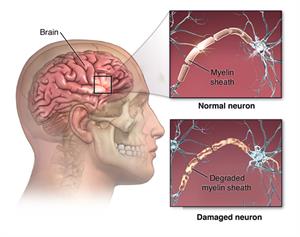
NMO is a rare autoimmune disease that affects the central nervous system. It’s also called Devic’s disease. NMO specifically affects the myelin, which is the insulation around the nerves. NMO mainly affects the spinal cord and the optic nerves—the nerves that carry signals from the eyes to the brain. As a result, the disease can cause paralysis and blindness.
NMO most often strikes between the ages of 30 and 39. But it can also start during childhood. It can also affect adults who are in their 40s. It’s especially common in young women, but men can develop it, too.
Because NMO and MS have similar symptoms, experts once believed that it was a type of multiple sclerosis, so it makes sense if you previously believed you had MS. Today, NMO is grouped with related syndromes under the unifying term “neuromyelitis optica spectrum disorder (NMOSD).
We know how they’re similar, but all this talk about MS vs. NMO probably has you wondering how the two differ. For starters, the symptoms are usually more severe in NMO. For example, vision problems with multiple sclerosis usually affect 1 eye at a time, while NMO may affect both eyes at the same time.
What are the symptoms of neuromyelitis optica?
These are possible symptoms of NMO:
- Pain in the eyes
- Loss of vision
- Weakness or numbness in the arms and legs
- Paralysis of the arms and legs
- Difficulty controlling the bladder or bowels
- Uncontrollable vomiting and hiccups
There are 2 types of NMO:
- Relapsing form, which has periodic flare-ups, with some recovery in between. This is the more common kind. Women are far more likely to have this form than men.
- Monophasic form, which involves a single attack that lasts a month or two. Men and women get this type equally.
Unlike MS, NMO doesn’t have a progressive course. The symptoms of NMO are solely due to attacks.
RELATED: Getting the Diagnosis Right With Multiple Sclerosis
What causes NMO?
With NMO, your immune system attacks a substance in your body called myelin—the insulation around your nerves. Specifically, the myelin cells in the spinal cord and optic nerves are attacked. Usually, people with NMO have flare-ups of the disease that may strike months or years apart. Between these flare-ups, you may experience some recovery.

How is neuromyelitis optica diagnosed?
Confused about which disease you have? If you suspect you might have either of these nerve conditions, see your doctor for a proper diagnosis.
Your healthcare provider may do a variety of tests if they suspect NMO, such as:
- MRI scan of your brain and spinal cord
- Tests to check on how well your optic nerves are working
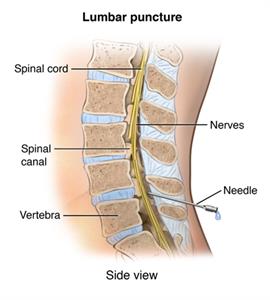
- Samples of your blood and spinal fluid to check for signs of the disease

How is neuromyelitis optica treated?
Unfortunately, experts don’t consider this condition curable. But, the good news is, that your healthcare provider can prescribe medicines or other treatments to reduce the effects of the disease and relieve symptoms. These may include:
- Corticosteroid medicines to halt the immune system’s effect on your nerves
- Immunosuppressant medicines
- A process called plasmapheresis, which removes proteins from the blood that may be playing a role in the condition
- Other treatments to address symptoms such as pain and loss of bowel and bladder control
These treatments will be extremely vital since NMO episodes are more severe than MS and can cause irreversible side effects if left untreated.
What are the possible complications of NMO?
There are several possible complications of NMO including:
- Visual impairment or blindness
- Paralysis or weakness of 1 or more limb
- Stiffness or muscle spasms
- Loss of bowel or bladder control
- Depression
- Fatigue
Living with neuromyelitis optica
Disability from NMO may become worse over time. Most people with NMO develop weakness in their arms and legs. Others may have more severe symptoms. Fortunately, there are ways you can combat this. If you are having trouble breathing, you may benefit from using a ventilator. Also, an occupational therapist or social worker can help you address any disabilities you may be dealing with. Neurologists who specialize in NMO, occupational therapists, physical therapists, and social services professionals are another great option if you are experiencing disabilities.
Support goes a long way for someone living with NMO. So remember to rally around family, friends, professionals, and support groups.
No matter what your diagnosis says, the good news is neither condition is fatal. By being proactive about your health and receiving the proper care, you can live a healthy and active life.