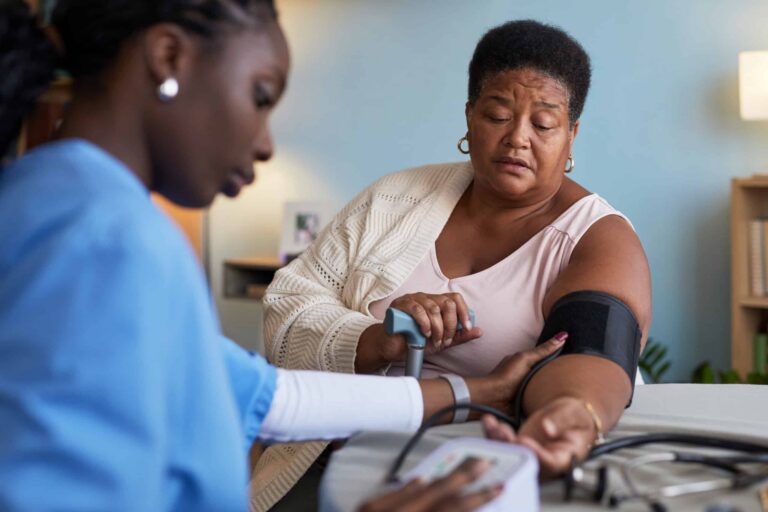
There is a possibility that the problem is in your bloodstream if you often experience symptoms such as headaches, lethargy, and dizziness.
Professor John Martin, a specialist in cardiovascular health and trustee of the Heart Cells Foundation, believes that the presence of all of these symptoms together may indicate thrombocytopenia, also referred to as a low blood platelet count.
Platelets are an essential component in our daily health and the development of blood clots; however, a low platelet count may result in decreased energy and may also indicate an underlying disease.
As stated by OneBlood, a platelet count that is lower than 150,000 is considered to be thrombocytopenia. This is in contrast to the normal range of platelet counts, which is between 150,000 and 450,000 per microliter of blood.
According to the Mayo Clinic, thrombocytopenia may result from an illness that affects the bone marrow, such as leukemia, or a condition related to the immune system. It may also be brought on by the consumption of certain drugs. Both children and adults are susceptible to its effects.
The following are some of the symptoms that may be associated with thrombocytopenia, in addition to tiredness, dizziness, and headaches:
If your physician believes you may have a low platelet count, they will advise you on the most appropriate treatment approach. This might be as easy as making some minor adjustments to your lifestyle (such as reducing the amount of alcohol you consume), or it could be that you are administered steroids or other drugs to assist in increasing the production of platelets in your body.
You may be given a blood or platelet transfusion, or surgery to remove your spleen (if it is determined that this is the source of the problem) if the medications that you are taking do not help.
According to Healthline, a low platelet count may be caused by a variety of factors, including the following:
It is imperative that you see a medical expert if you have any reason to believe that you may be suffering signs of a low platelet count. This is particularly true if your symptoms are severe, such as bleeding from wounds or cuts that are not stopping, or if you have blood in your stools or urine.
You must also have routine examinations if you are at risk of getting this ailment due to a medical condition or a history of the condition in your family.


By subscribing, you consent to receive emails from BlackDoctor.com. You may unsubscribe at any time. Privacy Policy & Terms of Service.