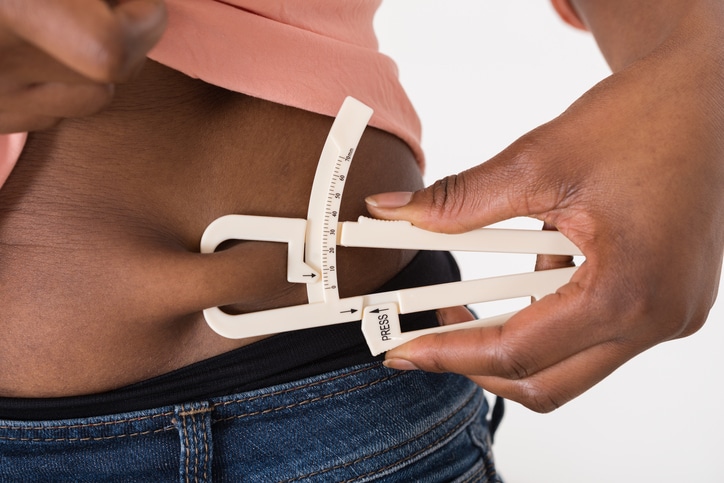
We’re never spared the image of a nice rock-hard pack of abs. But while we’re busy being shamed for not having them, we’re never told about how flab can have a big impact on your health. While belly fat may seem like more of a nuisance than a danger, this external marker is most likely the beacon of more serious internal, metabolic imbalances.
Here’s some information that will help you get a handle on your belly fat.
Location, Location, Location
People store most of their fat in two ways – one you can see and one you can’t. The fat you can see is just under the skin in the thighs, hips, buttocks, and abdomen. That’s called subcutaneous (under the skin) fat. The fat you can’t see is deeper inside, around the vital organs (heart, lungs, digestive tract, liver, and so on) in the chest, abdomen, and pelvis. That’s called “visceral” fat. Many people are self-conscious about the fat they can see. But actually, it’s the hidden fat — the visceral fat — that may be a bigger problem, even for thin people.
We all have visceral fat — and it isn’t all bad. It provides necessary cushioning around organs. But, the fat doesn’t just sit there. It makes lots of nasty substances. And having too much of it is linked to a greater chance of developing high blood pressure, type 2 diabetes, heart disease, dementia, and certain cancers, including breast cancer and colon cancer.
How You Get Extra Visceral Fat
When a body’s obese, it can run out of safe places to store fat and begin storing it in and around the organs, such as around the heart and the liver. What kind of problem does that create? Fatty liver disease was, until recently, very rare in non-alcoholics. But with obesity increasing, you have people whose fat depots are so full that the fat is deposited into the organs. In addition, more fat is also being deposited around the heart.
Checking Your Risk
The most precise way to determine how much visceral fat you have is to get a CT scan or MRI. But you don’t need to go that far to get a sense of whether or not the fat inside you is putting your health at risk. Get a measuring tape, wrap it around your waist, and check your girth. Do it while you’re standing up, and make sure the tape measure is level. For the minimal effect on your health, you want your waist size to be less than 35 inches if you’re a woman and less than 40 inches if you’re a man.
Having a “pear shape” — fatter hips and thighs — is considered safer than an “apple shape,” which describes a wider waistline.
Thin People Have It, Too
But even if you’re thin, you can still have too much visceral fat. t’s partly about your genes. Some people have a genetic tendency to store visceral fat. It’s also about physical activity. Visceral fat likes inactivity. A British study showed that thin people who maintain their weight through diet alone, skipping exercise, are more likely to have unhealthy levels of visceral fat. So the message is get active, no matter what size you are.
4 Steps for Beating Belly Fat
There are four keys to controlling belly fat: exercise, diet, sleep, and stress management.
1. Exercise: I know, I know…it’s seems logical right, but don’t think that you have to do this super duper exercise routine to get rid of belly fat. Vigorous exercise trims fat, including visceral fat. It can also slow down the build-up of visceral fat that tends to happen over the years. But forget spot-reducing. There aren’t any moves you can do that specifically target visceral fat. Half an hour of vigorous aerobic exercise, done four times a week is ideal. Jog, if you’re already fit, or walk briskly at an incline on a treadmill if you’re not yet ready for jogging. Vigorous workouts on stationary bikes and elliptical or rowing machines are also effective.
Moderate activity – raising your heart rate for 30 minutes at least three times per week – also helps. It slows down how much visceral fat you gain. But to torch visceral fat, your workouts may need to be stepped up. Rake leaves, walk, garden, go to Zumba, play soccer with your kids. It doesn’t have to be in the gym. If you are not active now, it’s a good idea to check with your health care provider before starting a new fitness program.
2. Diet: There is no magic diet for belly fat. But when you lose weight on any diet, belly fat usually goes first. A fiber-rich diet may help. Hairston’s research shows that people who eat 10 grams of soluble fiber per day — without any other diet changes — build up less visceral fat over time than others. That’s as easy as eating two small apples, a cup of green peas, or a half-cup of pinto beans. Even if you kept everything else the same but switched to a higher-fiber bread, you might be able to better maintain your weight over time.
3. Sleep: Getting the right amount of shut eye helps. In one study, people who got six to seven hours of sleep per night gained less visceral fat over 5 years compared to those who slept five or fewer hours per night or eight or more hours per night. Sleep may not have been the only thing that mattered — but it was part of the picture.
4. Stress: It’s unavoidable, but what you do with your stress matters. Stress can add unwanted fat around the entire body, including your stomach. Keeping your metabolism running high is the cure. Don’t let stress get you down–instead, you get ahead of stress! If you are approaching or in a stressful situation, use that energy to workout, cook healthy, go bike riding, boxing…something! Science has proven that exercise can knock down stress.
Visit the BlackDoctor.org Fitness center for more articles.


By subscribing, you consent to receive emails from BlackDoctor.com. You may unsubscribe at any time. Privacy Policy & Terms of Service.