For Yetunde, life didn’t begin at birth—it began in 2009, the year she received a bone marrow transplant from her younger sister. Before that, life was pain, hospitals, and a body under siege. Diagnosed with sickle cell disease at the age of five, Yetunde spent her childhood and early adulthood navigating a brutal, unrelenting cycle of fatigue, anemia, and excruciating pain crises that stole her freedom and her future.
“I didn’t really have pain until I started to get between 10-12. And then when I had my first period at 13, that’s when the gates of hell opened up,” she tells BlackDoctor.org.
Blood transfusions became her lifeline. Not an emergency response—but a routine. Between the ages of 13 and 27, she received 100 blood transfusions that she describes as “the bridge between pain and relief”.
“They were just a regular part of my life, whether I was sick or not sick. Because even when you’re not sick, it’s almost like you’re just waiting for the next time you do get sick,” Yetunde shares. “It was one of those maintenance things where sometimes I would get one unit, or two units, just on a regular basis to try and battle the constant anemia because even if I wasn’t having a crisis, my hemoglobin levels were always super low, so I was just constantly getting them.”
At Johns Hopkins, Yetunde had just undergone a red blood cell exchange, a transfusion where they take all the blood out of the body and put all new blood in, hoping to break the intense pain cycle and pain crisis.
“It didn’t do anything for it, so that’s when I kind of gave up hope. And I was like, well, if I have a red cell exchange— if I have all new blood and I’m still in this much pain, I’m not really sure what else there is to be done,” Yetunde adds.
Eventually, a physician at Johns Hopkins introduced a more radical option: a bone marrow transplant. Experimental. Risky. No guarantees.
“He wasn’t even my caring physician. He was there at Hopkins doing research, and so he came across my room and sat down, and was talking about this transplant,” she recalls.
Her mother, a pharmacist, initially resisted. The odds seemed too thin.
“Her first thought was, no. Did you see all the red tape in here…No, we’re just gonna keep sticking with our treatment plan,” Yetunde says.
But Yetunde, ground down by constant pain and near-death experiences, had already reached her threshold.
“I said to her, you’re so scared of me dying, but basically, I’m already dead the way that I’m living now, so I don’t really have anything to lose. And so that kind of changed her mind,” Yetunde notes.
RELATED: “They Said I Couldn’t” – How NBA’s First Sickle Cell Player Defied the Odds!
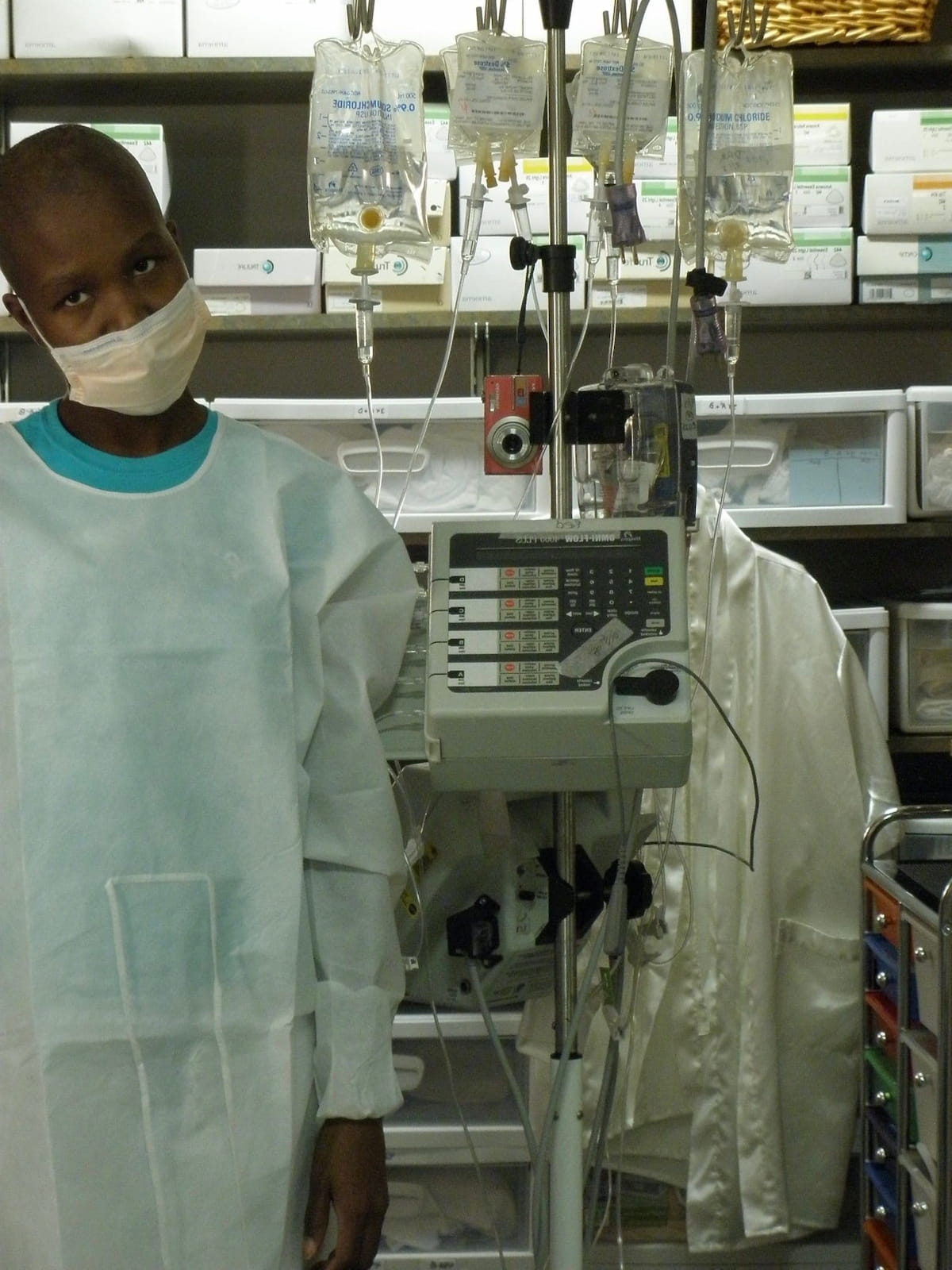
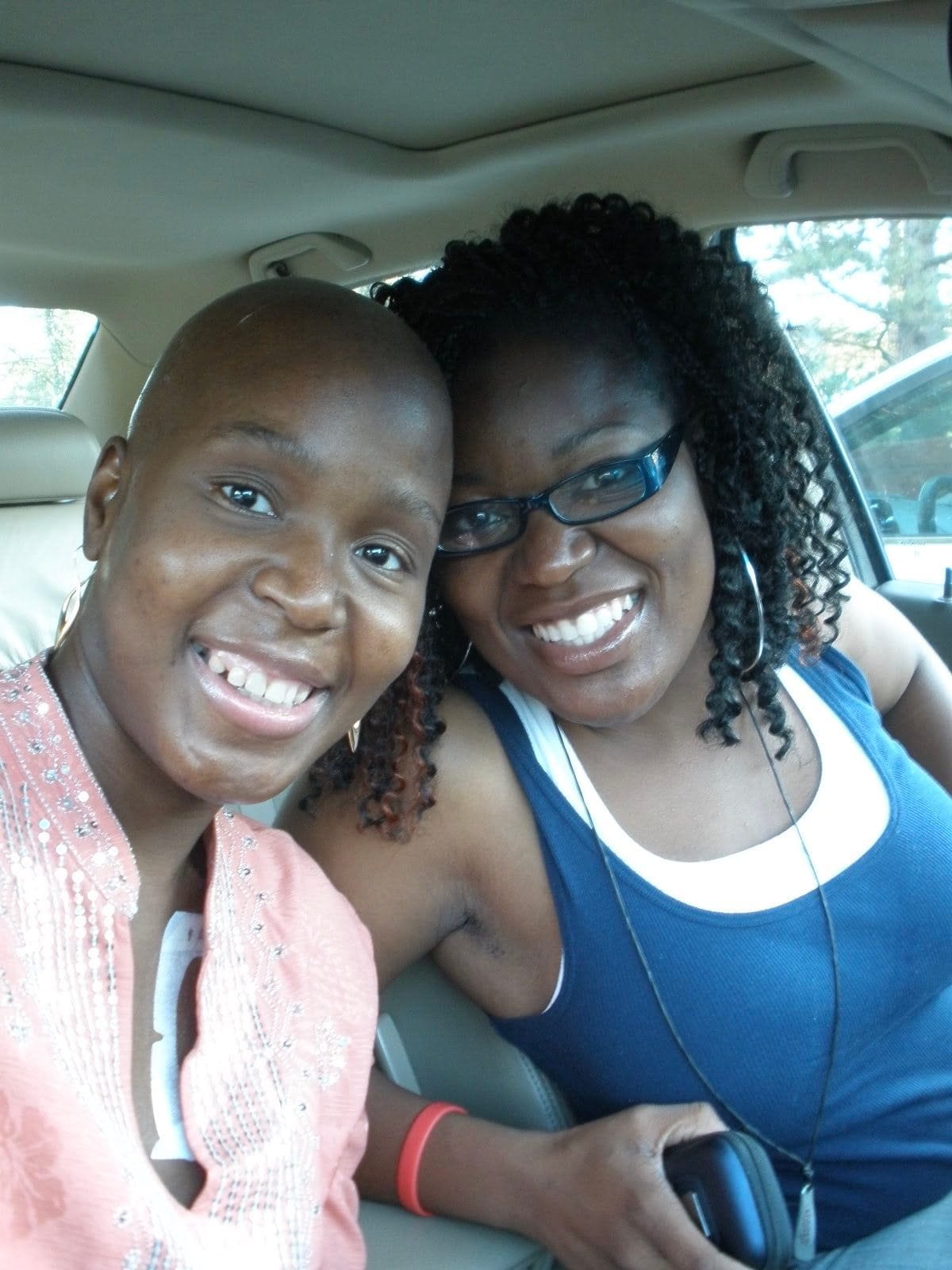
In 2009, after a year of delays due to repeated illness and testing family members, Yetunde received the transplant that would alter her life. It was brutal—chemo, radiation, complete hair loss.
“It was this big, life-changing thing. But it was also the hardest thing that I’d ever gone through. Because again, I was already so sick… and then I continued to get sick. I continued to have sickle cell crises for two more years…before I finally had my last one,” she adds.
When the transplant finally took effect, she felt reborn.
“I say 2009 is when my life started. Because from the age of 10 to 27 is the prime of finding yourself. And I spent all of those years basically living in the hospital. So finally, it felt like, oh, now my life is starting. Now I can figure out how to be an adult. Now I can figure out what I want to be when I grow up. So it really gave me my life back in a very real way,” Yetunde says.
But survival brought an unexpected dilemma: identity. For most of her life, Yetunde had lived within the frame of her illness.
“I didn’t know who I was without sickle cell,” she says.
Therapy helped. So did time.
“It is still shifting even now, only because one of the biggest things back when I was born is that the life expectancy of somebody with sickle cell is 40. And that just subconsciously does weird things to your mind when you don’t believe that you’re going to live a long life,” Yetunde explains. “So you don’t envision yourself like, ‘Oh, this is what I want to be when I grow up,’ because even if you are, you’re going to be a person who’s sick and not able to accomplish much.”
But even in wellness, the scars linger—physically and mentally.
“My outlook on life really started to shift because I realized that the system that took care of me is also the system that put me through a lot…The people who have sickle cell are targeted as drug seekers, and just being a Black woman in the medical system… I was very grateful that I had the transplant, but I was kind of waking up to realize all that I had been through in the American healthcare system,” Yetunde notes.
Looking to combat that, Yetunde decided to become an advocate, helping other sickle cell warriors navigate what she describes as a harsh medical system.
“Even in its absence, it still leaves very heavy scars behind on my life, as far as the mental drag and even the physical. Because it’s one of those diseases that physically wears on your body by depriving different organs and tissues of not having oxygen,” she adds. “And that’s still with me today, even though I technically don’t have the disease. It’s this hodgepodge of emotions on the other side of the transplant.”
With her new lease on life, Yetunde dove headfirst into the arts.
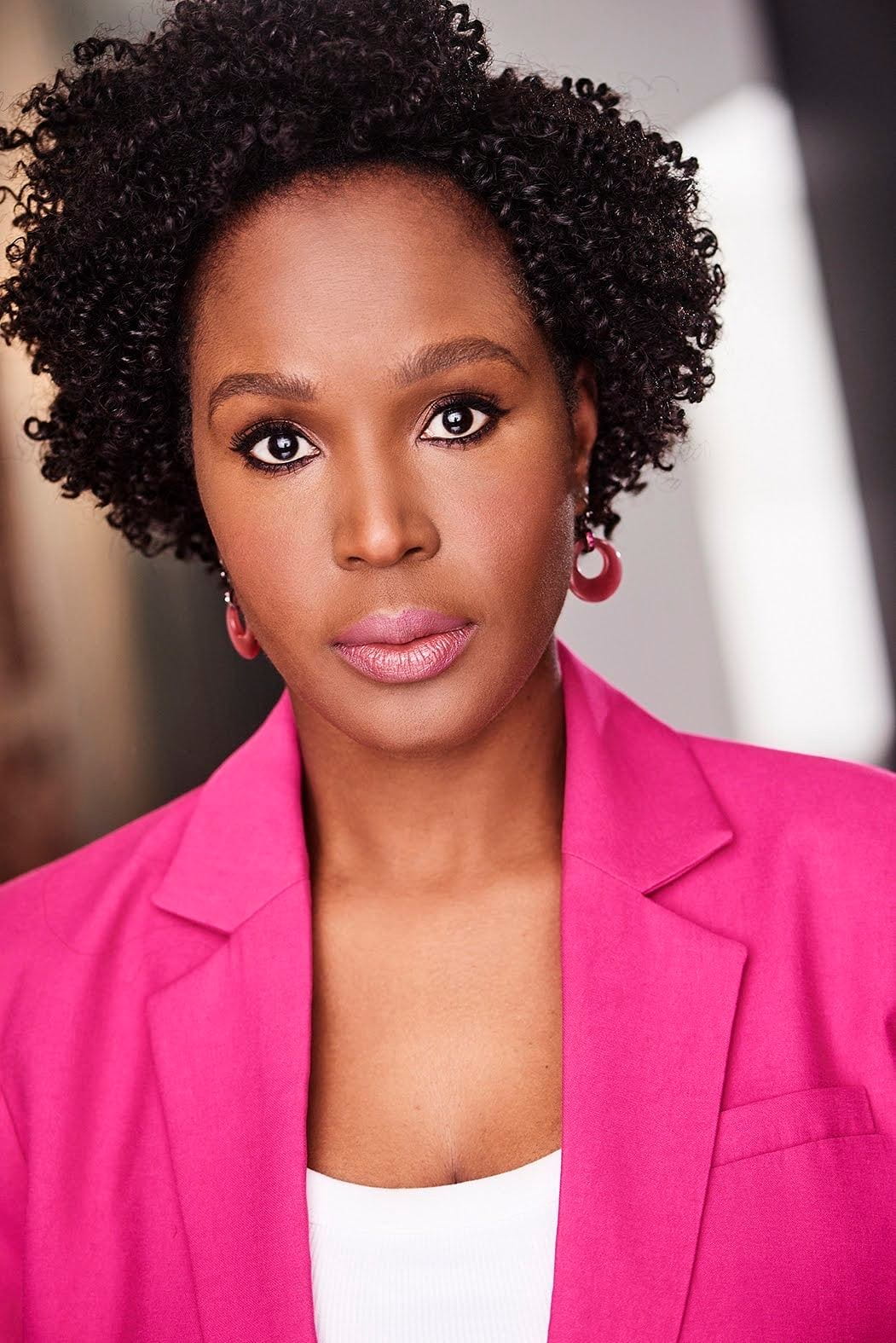
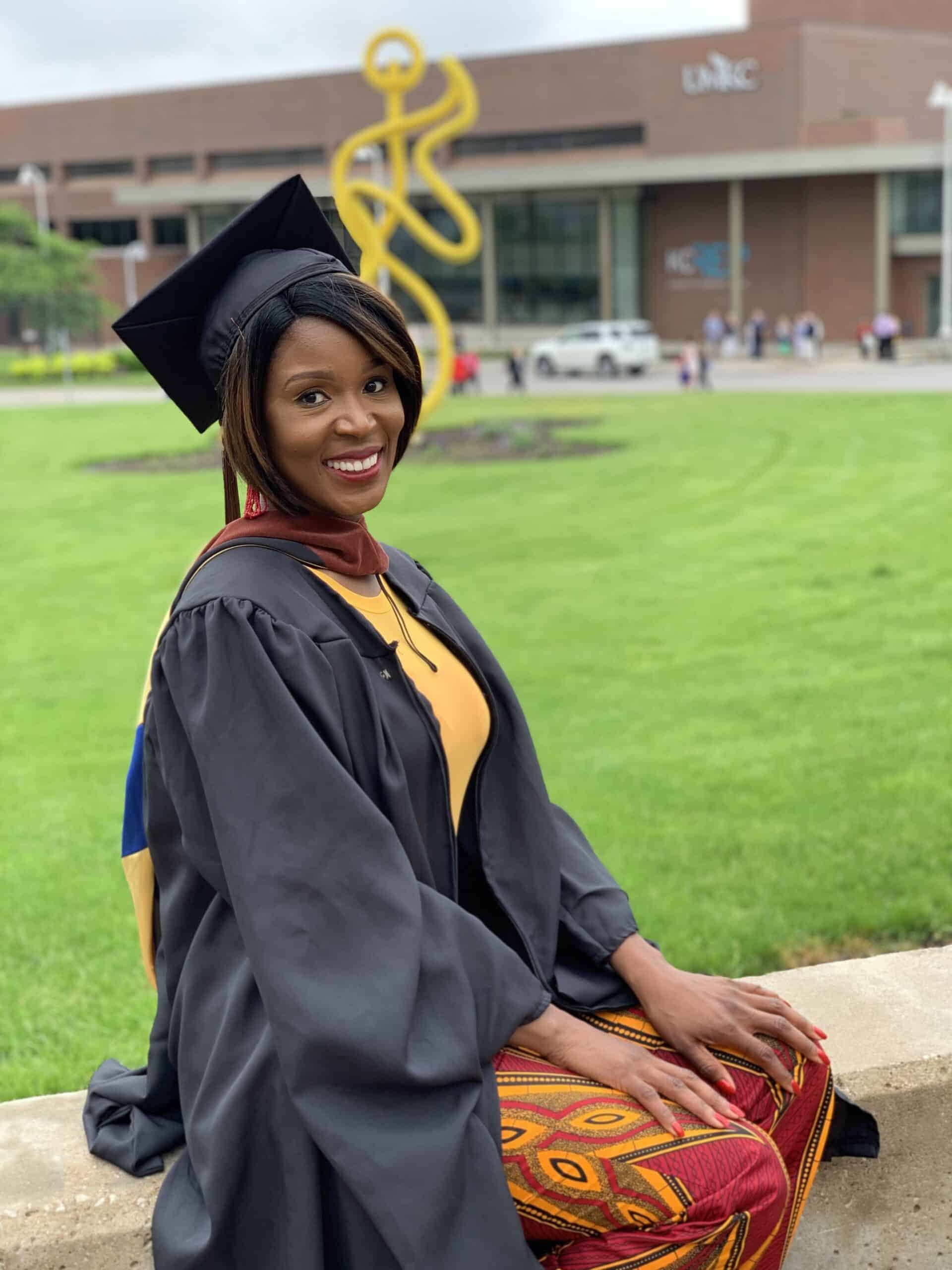
She earned an MFA, performed as Harriet Tubman, and found a surprising niche as a dialect coach, working with top-tier creatives on projects like “Sinners” and under the mentorship of the coach behind “Black Panther”.
“It was scary and intimidating to go back to school as an older student in this field that felt so, so, so much like a gamble to begin with. Arts—people don’t necessarily see it as something stable, which I understand. It’s not. It’s hard,” she shares. “But I feel like getting the transplant and getting this new lease on life made me feel like it’s your second chance at life. Swing big. What do I have to lose?”
That boldness wasn’t just a career choice—it was a philosophy born from surviving something most don’t.
“I shot for the stars. I reached out to the dialect coach who did Black Panther, and I said, ‘Hey, I need you to be my mentor.’ And she was like, ‘Sure, come on. I’ll teach you everything I know.’…It is through those connections that I got to be on a movie like Sinners, working with Ryan Coogler and Michael B. Jordan, and making great friends and great connections that lead continually to more.”
With her health, Yetunde has reclaimed the dreams that sickle cell had put on hold.
“My imagination was reawakened—the imagination from when I was a five-year-old little girl putting on plays in my living room, making my siblings be my castmates, and I was the director and the costume designer and everything,” Yetunde shares. So all of that came back to me after being suppressed with a life of sickness.”

Outside of her acting and dialect work, Yetunde serves on the board of multiple sickle cell organizations, supports global care initiatives, and partners with institutions like Johns Hopkins and Texas Children’s Hospital to expand treatment access. She’s particularly focused on advocacy that goes beyond the transplant.
“People think the transplant is the end of the story,” she says. “But it’s just another beginning.”
She’s also championing awareness around the systemic injustices faced by Black patients with sickle cell and those underserved by the healthcare system.
As we celebrate World Sickle Cell Day and Juneteenth, Yetunde reflects on the power of representation and shared stories.
“’m a Black woman. I’m an African woman. I’m a sickle cell survivor. I’m a bone marrow transplant recipient. And I love that I can bring my fullest self to bear, because there’s someone out in the world somewhere that resonates with some part of what I have gone through or who I am,” she says. “I love that—whether it’s someone seeing my name in the credits at the end of Sinners and reaching out (and this has happened)— and just saying, ‘Wow, I can’t believe that someone like you got to work on something like that.’ It gives me hope to keep aspiring for more.”
Yetunde is also grateful for internet connectivity.
“I’m a Black woman in America, educated by the American school system, and in many ways, I feel like it failed me. Because I feel like Juneteenth is gaining popularity now, but I don’t necessarily know that I knew what Juneteenth was when I was in the fifth grade…Thanks to internet connectivity and how small the world is, information goes around so fast. And so I love that I continue to learn. I continue to expand my knowledge. I continue to be exposed to other cultures, be exposed to other people, who are exposed to me,” she adds.
Moving forward, Yetunde wants to continue bringing her fullest self, all the shades of what she is as a Black woman, an African woman and a sickle cell survivor.
“As nuanced as I am, there’s someone else out there who’s just like, ‘Oh, I see myself in this other person.’ Then we get connected, and then we continue to grow and expand,” she says.
Yetunde’s final message to anyone suffering from any chronic illness is to be patient with yourself.
“Waking up every day is a victory. The mental fortitude that it takes to go through a day having a chronic illness like sickle cell disease is not to be underestimated—it is to be celebrated. Because even just getting up in the morning and moving your body and getting your day started is something that is to be celebrated, because it’s so hard when you have sickle cell. So I would say to anyone who’s going through sickle cell or another chronic illness: Celebrate the small wins…And to just be gentle with yourself,” she concludes.
Providing compatible blood donations is essential—not only for managing sickle cell disease but also for enabling breakthrough treatments like gene therapy and bone marrow transplants. This June, you can make a difference by scheduling a blood donation appointment and inspiring your community to do the same. Visit RedCrossBlood.org/OurBlood and be a lifeline for patients in need. Every drop counts.

By subscribing, you consent to receive emails from BlackDoctor.com. You may unsubscribe at any time. Privacy Policy & Terms of Service.