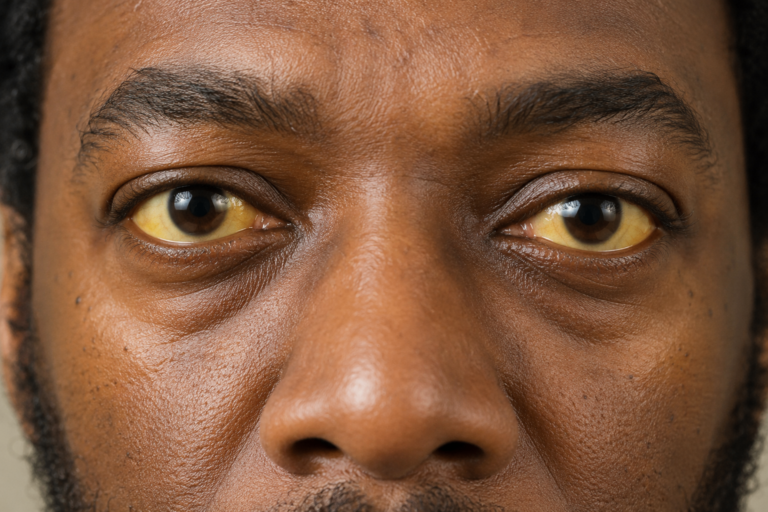
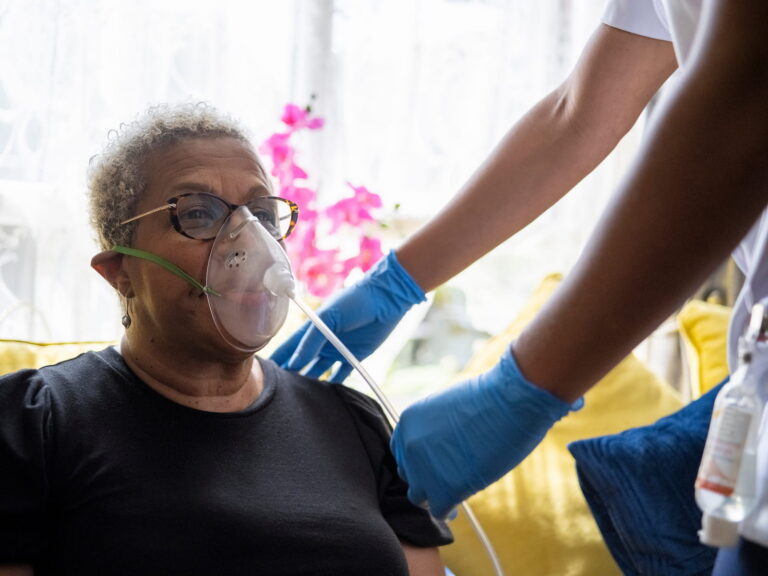
A good night’s sleep is imperative to overall health–especially for those who are living with HIV. However, studies show that many people with this illness have trouble sleeping well. When this happens, it can undermine your ability to maintain your health, and your body might not be able to heal as well as it should. Since it affects so many people, though, doctors have suggestions for ensuring that you sleep well every night.
RELATED: 5 Everyday Habits That Will Steal ALL Your Energy
According to recent research, up to 70 percent of people with HIV report having trouble sleeping. Their problems can include being unable to fall asleep for hours after going to bed and waking up much earlier than planned. To make things worse, some people say that even after getting some sleep, they wake up feeling as if they haven’t rested at all. A few studies have even suggested that HIV may go hand-in-hand with sleep disorders such as insomnia.
While the causes of their poor sleep can vary, one possibility is that some people deal with symptoms that interfere with sleep. A few of these symptoms are night sweats, pain, and incessant coughing. The issues that can keep you awake might not always be physical, either. As with many chronic illnesses, living with HIV can lead to more episodes of anxiety and depression. These episodes may, in turn, result in trouble sleeping.
Finally, sleep problems are a common side effect of several types of antiretroviral drugs. Certain drugs can also result in vivid dreams that can make you feel less rested than you should after finally getting some sleep. Additionally, the benefits of a few hours of sleep can be erased by the chronic fatigue that’s a side effect of antiretroviral drugs.
With that in mind, it may seem that you’re stuck in a cycle of sleepless nights. That’s why doctors suggest trying a few lifestyle changes.

The first place to start is getting your body into the habit of a sleep schedule. This basically entails going to sleep and waking up at set times based on how many hours of sleep you need. These times shouldn’t change regardless of the day. Though it can be a challenge, it’s a good idea to avoid naps when you’re establishing a sleep schedule. Taking naps can interfere with maintaining your new routine.
Of course, that doesn’t mean you’ll always get things perfect. As long as you get to sleep within an hour or so of your designated bedtime, it shouldn’t throw things off significantly.

Even as you’re establishing a sleep schedule, you have to factor in all the issues that can interfere with getting to sleep. That’s where relaxation comes into play. You have to get your mind and body into the right place to fall asleep. Usually, that means you need to relax. While relaxation can look different for everyone, the objective is to wind down from the day you’ve had.
For some people, listening to music or reading a book is enough to get them to relax. Others may need more specific techniques such as meditation, yoga, visualization exercises, and breathing exercises. One relaxation technique that can help you fall asleep focuses on relaxing your muscles one set at a time. In this exercise, you would group similar muscles before focusing on tensing and relaxing them for 30 seconds at a time until you’ve done them all.
As an example, you may start with your toes and feet, then move on to your legs and thighs. The good thing about this technique is that you can do it as many times as you need to start feeling relaxed. It can also get easier over time.

All your efforts to relax and create a sleep schedule are unlikely to be effective if your bedroom isn’t conducive to a good night’s sleep. Some of the typical changes to make include ensuring that the room is cool, your mattress and bedding are comfortable, the room is quiet, and it’s not too bright. It’s also a good idea to remove electronic devices from the room. These are likely to keep your brain too active for you to relax effectively.
If you’re having additional problems, such as night sweats, then ensure that you’re wearing clothing that allows you to keep cool when sleeping. Keeping a change of clothes nearby can also help you get back to sleep if you sweat through what you’re wearing.
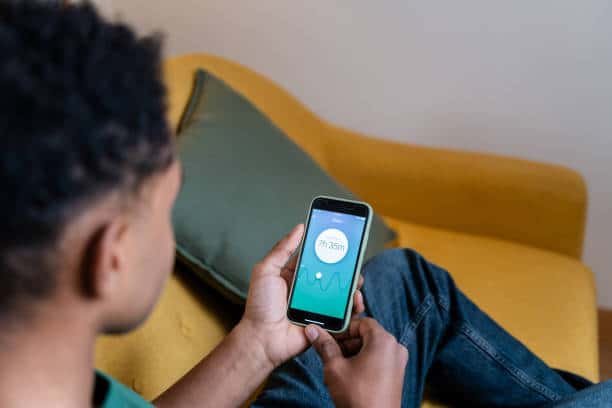
This one may seem to go against the recommendation to keep electronic devices out of your bedroom, but sleep apps may be an acceptable exception. Sleep apps offer calming music, sounds, guided meditation, and stories that can help you get to sleep. Additionally, they usually track how much sleep you get as well as the quality of your sleep. This data can be invaluable to making changes to your sleep schedule, and you can also give the information to your doctor if you need medical intervention.

If you haven’t been sleeping well, it may be tempting to change everything all at once to see a difference. However, studies show that taking things slowly makes it easier for you to establish habits. It also gives you time to ease into a sleep schedule that works for you. It’s good to start by making your bedroom more comfortable while determining what helps you relax.
RELATED: 9 Quick Tips for an Instant Energy Boost
Though the link is complicated, multiple studies have shown that sleeping well is essential to your physical and mental health. When you sleep, your body takes the time to recover from the day’s activities, get rid of waste, repair tissue, build muscle, and make protein. Your brain also categorizes memories while removing waste. Without the proper amount of sleep, your body is at a disadvantage, and you’re likely to feel more sluggish the next day.
Over time, poor sleep can lead to a higher risk of developing type 2 diabetes, heart disease, dementia, and stroke. Your immune system can also take a hit, which is already a significant issue for those who are living with HIV. People who don’t get enough sleep can find themselves more prone to having infections and getting sick frequently.
Finally, when you’re not sleeping well, you may have more problems with depression and anxiety. As noted earlier, those living with HIV are already likely to deal with poor mental health. The last thing you need is for insufficient sleep to make it worse.
If any of your lifestyle changes don’t help you sleep, then it’s time to talk to your doctor. They may be able to explore changing your medication so your side effects aren’t as troublesome. If this isn’t a possibility, you can discuss ways to manage your symptoms. Since having HIV may increase your risk of having sleep disorders, your doctor may also assess you for these issues to determine the best way to help. This is where information from a sleep app can help them make decisions.
Statistics show that the majority of people with HIV have trouble sleeping. Although the causes can differ, changing your lifestyle can help you get a good night’s sleep. If this doesn’t work, you should talk to your doctor to determine a better way to move forward.


By subscribing, you consent to receive emails from BlackDoctor.com. You may unsubscribe at any time. Privacy Policy & Terms of Service.