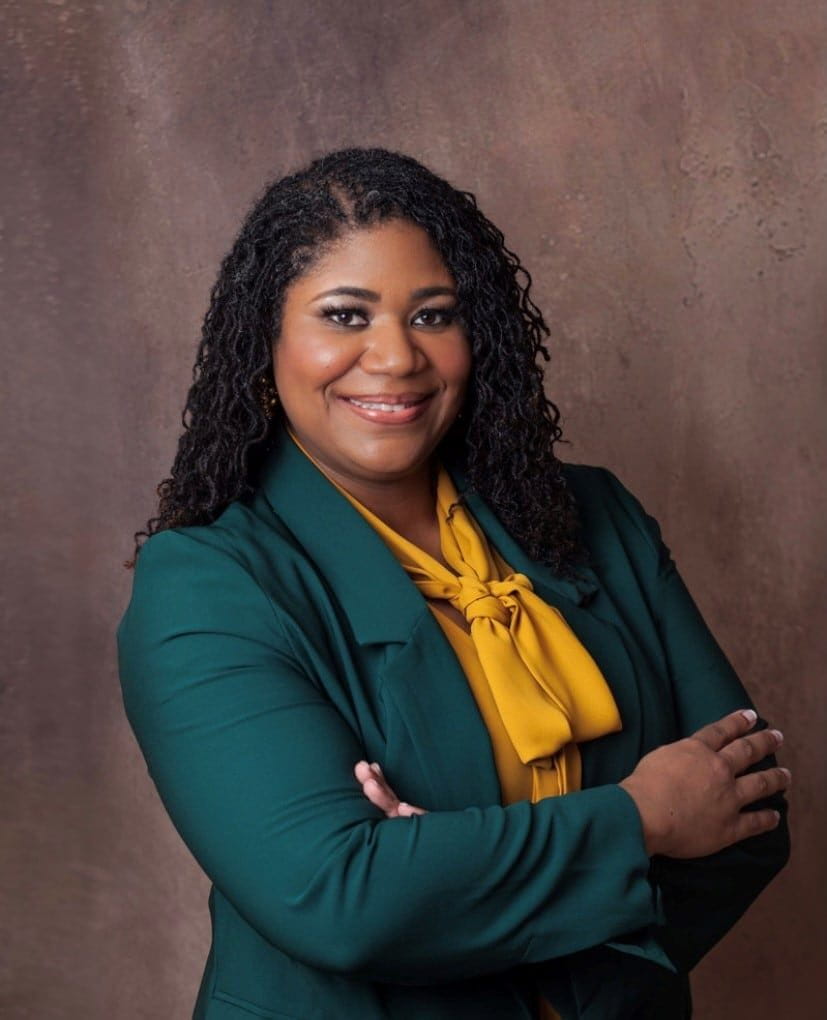
 Photo courtesy of Crystal Champion
Breast cancer is an overwhelming diagnosis at any stage, but when it comes at a young age, it can be even more jarring.
At 38, Crystal Champion, a physical therapist who specializes in cancer rehabilitation, had an unexpected turn in her life when she was diagnosed with stage 0 breast cancer. Although her career had centered around helping cancer patients recover physically, she found herself on the other side of the diagnosis.
“When I began this work in 2016, most of my patients were breast cancer survivors. Knowing my family history of breast cancer on my father’s side and seeing breast cancer so often, I was very proactive about screenings. I had my first mammogram at 37 years old, and it was completely normal. However, a year and a half later, at 38, my mammogram showed changes in my left breast, so I was called back for a diagnostic mammogram,” she tells BlackDoctor.org.
While the diagnosis was shocking, Champion found solace in knowing that she had caught the cancer early, an essential factor in her eventual treatment and recovery.
“I served on the hospital’s cancer committee and always remembered the physicians saying that if you’re going to have breast cancer, it’s best to catch it very early. Knowing this helped me deal with the diagnosis better,” Champion adds.
As a physical therapist working with breast cancer patients, Champion had already been seeing younger patients, some in their early 40s and even 30s, which was alarming to her.
“I always say that my profession saved my life because it made me proactive about my health, allowing me to catch the breast cancer at a very early stage,” she shares.
RELATED: Treating the Treatment: 6 Ways to Overcome Side Effects of Breast Cancer Treatments
For Champion, the physical aspects of cancer were challenging, but the emotional and mental toll was equally daunting. Despite her background in the medical field, she found herself struggling with her mental health—something she had not anticipated.
“No one expects to be diagnosed with breast cancer, and despite working in oncology, it was still a shock for me. I always prided myself on being knowledgeable and confident in my field, but when it came to my own diagnosis, I wasn’t as sure of what I wanted to do,” Champion notes.
As a private person, Champion initially found it difficult to share her diagnosis with those outside her immediate family.
“I wasn’t ready to answer the many questions people ask, like, ‘What decisions are you going to make?’ or ‘Are you going to be okay?’ I wasn’t mentally prepared to handle those questions,” Champion adds.
Being single and without a life partner also left Champion feeling isolated.
“While I had the support of my parents and sisters, it’s a different kind of support when you have a partner to lean on. I actually fell into a state of depression during this time. I had a ‘woe is me’ moment, but I learned to be gentle with myself because nobody wants to hear the word ‘cancer.’ It’s a hard journey no matter what stage you’re in—whether it’s stage 0 or stage 4, it’s still very difficult. My family’s encouragement and my Christian faith helped me through the hardest parts,” Champion notes.
Her work also became a source of emotional strain. As a physical therapist treating cancer patients, she had to suppress her own fears and insecurities to be a pillar of strength for others, something that left her emotionally drained.
Despite the mental challenges, Champion recognizes the importance of seeking professional help.
“That’s when I realized I needed professional counseling to help me process both my work and my personal experience,” Champion adds. “I’m a huge advocate for mental healthcare. Fortunately, I knew how to advocate for myself, so I sought counseling services. To be transparent, none of my medical team really asked how I was doing mentally or emotionally. I was physically fine, but the emotional part of my journey wasn’t addressed.”
Champion also sought out support groups and began sharing her journey, finding it therapeutic to talk about her experience.
“It helped me to lift that weight off my shoulders, and knowing that my story could help others was enlightening for me,” Champion says.
One of the main issues Champion highlights is the lack of focus on mental health in cancer treatment.
Through her nonprofit organization, Champion is working to change this narrative.
“Through my nonprofit, we promote cancer survivorship. I believe cancer survivorship begins at the time of diagnosis, and more work needs to be done early on to address emotional health. There’s so much focus on treatments and physical side effects that mental health often gets overlooked. I wanted to create a nonprofit that takes a holistic approach to patient care—yes, we address physical impairments, but mental health is equally important. Where the mind goes, the body follows, so addressing mental health, especially for young survivors, is crucial. Young people are often expected to be strong, but that’s not always the case. I needed emotional support during my journey and still seek counseling today,” Champion shares.
Champion is also sharing her story through Bristol Myers Squibb’s Survivorship Today, a platform that connects cancer survivors from all walks of life, which has been instrumental in her journey.
“It provides a platform for people to share their stories and connect with others who’ve had similar experiences. Through this initiative, people can feel like they’re not alone. It also allowed me to shed light on health disparities, especially for Black women with breast cancer. Black women are 42-48 percent more likely to die from breast cancer than non-Black women, which is alarming. Sharing my story on that platform is life-changing, and I encourage others to visit the website to find relatable stories and resources,” she adds.
RELATED: 5 Keys To Breast Cancer Survivorship
Champion’s journey has equipped her with valuable insights, particularly for young adults facing a cancer diagnosis. Her advice is simple but profound:
Champion’s story is a testament to the importance of mental health in cancer care.
For those looking to support cancer survivors, Champion suggests:


By subscribing, you consent to receive emails from BlackDoctor.com. You may unsubscribe at any time. Privacy Policy & Terms of Service.