A new study published in Cancer Medicine highlights the persistent issue of medical mistrust among Black people, particularly regarding living with multiple myeloma. The research underscores the importance of strong patient-doctor relationships and open communication in addressing this complex challenge.
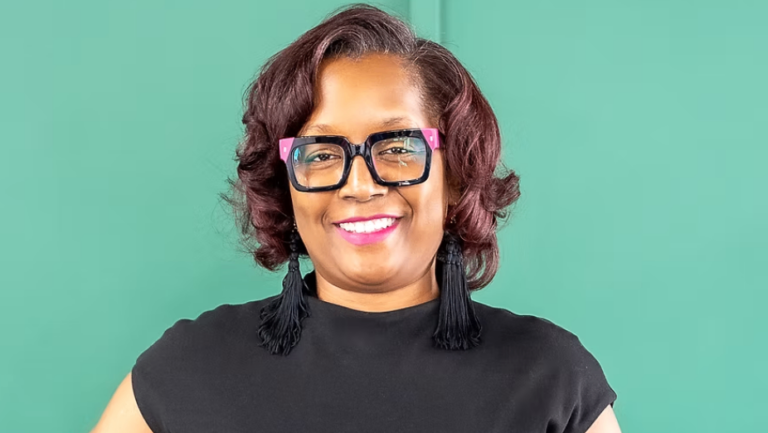
Led by Dr. Shakira J. Grant, a health policy fellow with the ASH/AAAS Science and Technology Policy Fellowship program, the study involved in-depth interviews with Black and white patients with multiple myeloma and their caregivers.
Researchers talked to 21 pairs of people for 60 to 90 minutes: 11 Black patients with cancer and their caregivers, and 10 white patients with cancer and their caregivers. They asked them questions about their experiences with doctors and hospitals.
The findings revealed a stark contrast in experiences. While both groups acknowledged the significance of trust in their cancer doctors, Black participants demonstrated a deeper understanding of the historical injustices inflicted upon their community by the medical establishment. References to the infamous Tuskegee syphilis experiment were common, revealing a generational trauma that continues to shape perceptions of health care.
“Black participants often had a deep, transgenerational knowledge of events that have led to mistrust,” Dr. Grant explained in an interview with Healio. “Many cited stories passed down from parents and grandparents about the mistreatment of Black individuals in [health care], particularly in research contexts.”
The legacy of unethical medical experimentation, such as the Tuskegee study, has cast a long shadow over Black communities. This historical context, alongside ongoing disparities in [health care] access and outcomes, has fostered a deep-seated mistrust that persists today. Dr. Grant emphasized, “This issue remains a significant problem.” The COVID-19 pandemic further exacerbated these challenges, with Black and Latinx communities experiencing higher infection and mortality rates, partially attributed to vaccine hesitancy rooted in historical mistrust.
“I kept hearing concerns from my Black patients about research and their treatment by the health care system,” Dr. Grant told Healio. “These personal stories highlighted a pervasive mistrust that impacted their willingness to participate in clinical trials and their overall experience with care.”
Clinical trials rely on diverse patient populations to ensure that treatments are safe and effective for everyone. However, the underrepresentation of Black Americans in these trials creates a significant gap in medical knowledge. This lack of data can lead to disparities in treatment outcomes, as some medications and therapies may not be suitable for the specific needs of Black patients.
To address this issue, Dr. Grant emphasized the importance of building trust between the medical community and Black communities. This involves open acknowledgment of past wrongs, transparency in research practices, and increased representation of Black health care providers. By fostering a climate of trust and inclusivity, researchers can encourage greater participation in clinical trials and ultimately improve health outcomes for all.
“Trust takes years to gain and a second to lose,” Dr. Grant added. Healing the deep wounds of medical mistrust will require sustained commitment and collaborative efforts from health care providers, researchers, policymakers, and community leaders. By prioritizing equity, transparency, and patient-centered care, it is possible to build a health care system that serves all individuals with respect and dignity.


By subscribing, you consent to receive emails from BlackDoctor.com. You may unsubscribe at any time. Privacy Policy & Terms of Service.