• Skip to main content
  • Skip to secondary menu
  • Skip to primary sidebar
  • Skip to footer
BlackDoctor.org
Where Wellness & Culture Connect

Where Wellness & Culture Connect

  • Conditions
  • Wellness
  • Lifestyle
  • Longevity
  • Clinical Trials
  • Resources
    • Generational Health
    • Top Blacks in Healthcare 2025
    • Hall Of Fame
    • Clinical Trials Resource Center
    • Obesity Resource Center
    • Cancer Resource Center
    • Wellness on the Yard
    • Immunocompromised Care
    • BDO Resource Library
  • Find A Doctor
  • BDO TV
Home / Health Conditions / Mental Health / Sound Baths: Hype or Healing?

Sound Baths: Hype or Healing?

sound bath

Sound baths have swept the wellness world, often praised as effortless escapism and deep healing—or dismissed as trendy pseudoscience. So, what are they exactly? Are they rooted in cultural traditions or just another wellness fad? And most importantly, could they be right for you? Let’s break it down.

What Exactly Happens in a Sound Bath?

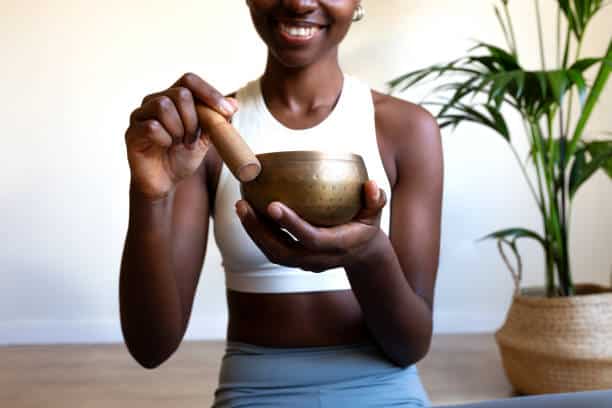
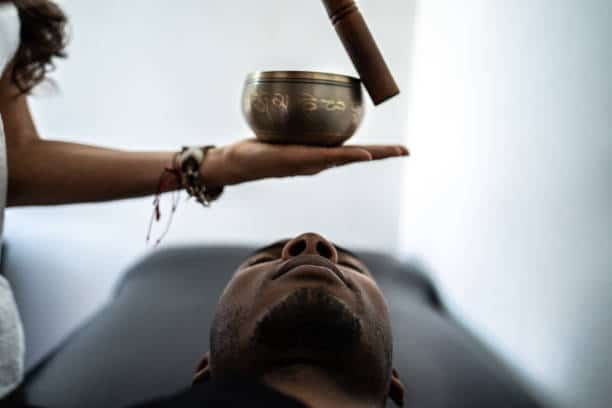
In a sound bath, participants—usually lying down in a comfortable pose such as Savasana—are immersed in waves of sound from instruments such as gongs, tuning forks, crystal or Tibetan singing bowls, chimes, percussion, rattles, or even the human voice. The sounds don’t follow melody or rhythm like traditional music; instead, it’s a wash of resonant tones and overtones designed to help the brain let go and release tension.

Sessions often begin with a grounding or guided meditation, followed by the sound immersion, and then a slow return to wakefulness—sometimes with suggestions to hydrate and rest. Participants may experience anything from deep relaxation, muscle release, and emotional release to shifted brainwaves, altered states of consciousness, and improved sleep.

You May Also Like
Psoriatic Arthritis Can Feel Beyond Your Control. Consider a Different Direction. Learn More Here. Psoriatic Arthritis Can Feel Beyond Your Control. Consider a Different Direction. Learn More Here.

The Cultural Roots of Vibrational Healing

Far from being an Instagram-born trend, the idea of sound healing spans millennia and cultures. Tibetan singing bowls, for example, have been used in religious ceremonies, meditation, and chakra work since as early as the 5th century BC. Likewise, in ancient Greece, music was prescribed—literally used as medicine.

Across the globe, traditions harness sound for healing and spiritual purposes: Native American tribes drum and chant in ceremonies; Amazonian shamans sing medicine songs (icaros); Hindu and Buddhist traditions chant mantras; and Aboriginal Australians use the didgeridoo in healing practices.

Modern sound baths draw from these rich traditions, adapted into a meditative wellness practice that resonates with contemporary seekers.
You May Also Like
Get GLP-1s Delivered to You As Low As $99/Month! Get GLP-1s Delivered to You As Low As $99/Month!

TikTok’s Role in Mainstreaming Sound Therapy

TikTok has played a huge role in bringing sound baths into mainstream awareness. Videos tagged “sound bath” across the platform as immersive sound therapy experiences that bring mental clarity and calm to viewers. Many creators share their personal experiences of tension melting away amid frequencies that soothe the nervous system and activate the parasympathetic response (rest and digest).

This visual and visceral presentation has helped normalize sound baths—as something that’s accessible, digestible, and even ideal for those who “can’t meditate.” The trend seems to reflect a broader desire for healing that’s gentle, sensory, and immediate.

Is It Hype—or Healing?

The Evidence (and the Anecdotes)

Scientifically, much of the support remains preliminary or anecdotal. Some systematic reviews suggest potential benefits—like improved mood, lower blood pressure, reduced pain—but emphasize the need for more rigorous studies. Cleveland Clinic notes that sound baths should be considered complementary therapy, not a substitute for medical treatment.

That said, many doctors have acknowledged the calming effects of ambient sound and music. And technologies like ultrasound are daily reminders that sound has real applications in healing—even if not directly parallel to spiritual sound practices.

Why It Feels Healing

  • Parasympathetic Activation: Sound waves, especially low-frequency vibrations, can slow heart rate and breathing, inviting rest.
  • Brainwave Entrainment: Tones may help shift brainwaves into alpha or theta states—associated with relaxation, creativity, and meditative states.
  • Sensory Immersion: Without melody or rhythm, sound baths discourage analysis and invite surrender—ideal for overthinkers.
  • Emotional Release: Instruments like gongs can sometimes prompt emotional breakthroughs, tears, or muscle release.

Hype Factors

That said, the trendiness can lead to inflated claims—some practitioners liken sound baths to acupuncture or energy healing without clear evidence backing those assertions. Costs vary—studios charge $30–50 per session, with specials and private sessions costing more. And the novelty can overshadow sound masks or cheap YouTube tracks—though those can still offer value for home practice.

sound bath

Is It Right for You? Signs You Might Benefit

Consider a sound bath if any of the following resonate:

  • You struggle to meditate: If traditional sitting meditation feels too hard, sound baths offer a more sensory, passive route to stillness.
  • You’re chronically stressed, anxious, or sleepless: Many report immediate relaxation, better sleep, and reduced tension afterward.
  • You’re open to alternative healing modalities: If you resonate with energy work, chakra balancing, or vibrational healing, sound baths may align with your worldview.
  • You’ve physical tension or pain: Some find relief, like reduced muscle tension or knee pain, after a gong bath retreat.
  • You like immersive, sensory experiences: The deep, enveloping quality of sound baths can be especially appealing to those who value immersive relaxation.

When to Skip or Modify It

  • Recent concussion or seizure disorder: Low-frequency vibrations may not be ideal.
  • Severe psychiatric conditions: More active forms of meditation may be contraindicated without medical advice.
  • Pregnant, pacemaker, cochlear implant: Check with your provider—some practitioners may adjust for these situations.

sound bath

Sound Baths: Hype or Healing?

The real question—are sound baths truly healing, or just hype?—doesn’t have a one-size-fits-all answer.

Why It Resonates

Many people find sound baths powerful because they create conditions where the body can downshift into deep relaxation. In a culture of constant digital stimulation, it’s rare to disconnect, lie down, and simply receive. This alone can explain why participants often describe profound shifts in mood, clarity, and energy.

The Placebo Effect Factor

Some critics argue that the benefits might largely be a placebo. But a placebo is not “fake”—it’s the body’s very real ability to heal itself when belief and ritual are involved. In fact, studies show placebo responses can lower stress hormones and improve pain tolerance. If sound baths encourage that healing state, even skeptics might see it as valuable.

The Community Dimension

Healing isn’t always individual. Group sound baths create collective resonance—dozens of people breathing and releasing tension together. This social and energetic dimension may enhance the experience, echoing ancient communal healing practices from West African drumming circles to Indigenous chanting traditions.

A Balanced View

  • Healing: When approached as a tool for relaxation, stress relief, emotional release, and mindfulness.
  • Hype: When marketed as a miracle cure for chronic illness or when cultural roots are erased in favor of a trendy, Instagrammable experience.

The truth may lie somewhere in between: sound baths don’t replace medicine, but they can be powerful complements—especially for those seeking peace, presence, and embodied connection.


By Dominique Lambright | Published August 31, 2025

August 31, 2025 by Dominique Lambright

The Latest In Mental Health

self-diagnosis

Self-Diagnosis or Self-Awareness? Knowing When to Seek Help

If you’ve ever scrolled through social media and thought, “Wait, that sounds like me…” — you’re not alone. Whether it’s a TikTok about anxiety, a thread on trauma, or a meme about burnout, mental health is everywhere online right now. read more about Self-Diagnosis or Self-Awareness? Knowing When to Seek Help
chaos

Thriving Through Chaos: 7 Small Changes That Make a Big Difference

To many, the concept of mental wellness can feel overwhelming, a huge goal requiring massive overhauls. However, Atlanta-based community psychiatrist Dr. Nina Joy Mena, known as Dr. NJoy, believes that a proactive approach built on small, intentional changes is the read more about Thriving Through Chaos: 7 Small Changes That Make a Big Difference

World Mental Health Day 2025: How Taraji and Charlamagne Are Changing the Conversation

For years, World Mental Health Day has been about raising awareness, breaking stigma, sharing stats, and posting quotes. But this year, it’s less about talking and more about doing. “Awareness” alone isn’t cutting it. For Black America, mental health isn’t read more about World Mental Health Day 2025: How Taraji and Charlamagne Are Changing the Conversation
Black women

Burned Out? Here’s How Black Women Can Reclaim Their Peace at Work

Dr. Wendi Williams is a visionary psychologist, educator and leadership strategist with more than two decades of experience. As President-Elect of the American Psychological Association, her work centers on advancing the well-being, leadership and liberation of Black women and girls.  read more about Burned Out? Here’s How Black Women Can Reclaim Their Peace at Work
Caleb Williams

Why Athletes Like Caleb Williams Are Critical Voices in Suicide Prevention

Chicago Bears quarterback Caleb Williams is known for painting his fingernails before games, but his latest choice carried a deeper message. During a recent Monday Night Football matchup against the Minnesota Vikings on “988 Day” (September 8), the 23-year-old used read more about Why Athletes Like Caleb Williams Are Critical Voices in Suicide Prevention
depression

6 Jobs That Can Cause Depression

You hate your job, right? Well, you only have it really bad if you're employed in one of these occupations, since these are the jobs most likely to have caused a major depression in the last few years. Here are read more about 6 Jobs That Can Cause Depression

Primary Sidebar

Subscribe to our newsletter

Icon

Caring for You, Too - Caregiver Workbook

1 file(s) 297 KB
Download

Trending Articles

Key Nutritional Supplements for Those Living with HIV

nutritional supplements for HIV

Why I Did Clinical Trials for TNBC: “It Very Likely Saved And Extended My Life”

Why I Did a Trial for TNBC: "It Very Likely Saved And Extended My Life"

This Clinical Trial Reversed a Rare Cause of Vision Loss

This Clinical Trial Reversed a Rare Cause of Vision Loss

This AI Tool Detects Diabetic Eye Disease Faster in Black Americans

This AI Tool Detects Diabetic Eye Disease Faster in Black Americans

Gluten Allergy Symptoms: 13 Warning Signs You Shouldn’t Ignore

gluten allergy
Find a Culturally Sensitive Doctor

Footer

Where Wellness & Culture Connect

BDO is the world’s largest and most comprehensive online health resource specifically targeted to African Americans. BDO understands that the uniqueness of Black culture - our heritage and our traditions - plays a role in our health. BDO gives you access to innovative new approaches to the health information you need in everyday language so you can break through the disparities, gain control and live your life to its fullest.

Connect With Us

Resource Centers

  • Top Blacks in Healthcare
  • Clinical Trials
  • Wellness on the Yard
  • Cancer
  • Immunocompromised Care
  • About Us
  • Privacy Policy
  • Cookie Policy
  • Terms of Service
  • Careers
  • Advertise With Us
  • Advertising & Sponsorship Policy
  • Daily Vitamina
  • TBH

Copyright © 2025, Black Doctor, Inc. All rights reserved.