• Skip to main content
  • Skip to secondary menu
  • Skip to primary sidebar
  • Skip to footer
BlackDoctor.org
Where Wellness & Culture Connect

Where Wellness & Culture Connect

  • Conditions
  • Wellness
  • Lifestyle
  • Longevity
  • Clinical Trials
  • Resources
    • Generational Health
    • Top Blacks in Healthcare 2025
    • Hall Of Fame
    • Clinical Trials Resource Center
    • Obesity Resource Center
    • Cancer Resource Center
    • Wellness on the Yard
    • Immunocompromised Care
    • BDO Resource Library
  • Find A Doctor
  • BDO TV
Home / Lifestyle / Living with Obesity / Think You’re a Healthy Weight? New Rules May Say Otherwise

Think You’re a Healthy Weight? New Rules May Say Otherwise

healthy weight

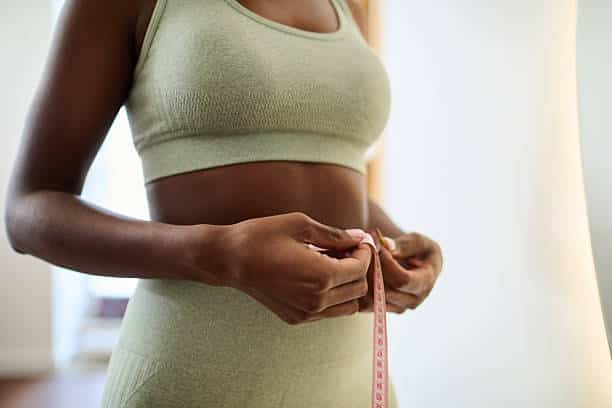
A new Harvard and Mass General Brigham study suggests that nearly 70 percent of U.S. adults could be classified as obese under updated medical guidelines that go beyond body mass index, or BMI, to include waist and fat distribution. 

Researchers say the broader definition could better identify hidden health risks, especially for diabetes and heart disease, among people who appear to have a “normal” weight.

The findings, published this month, come as obesity continues to rise nationwide and disproportionately affects Black Americans. According to the U.S. Department of Health and Human Services Office of Minority Health, about 50 percent of non-Hispanic Black adults are classified as obese, the highest rate of any racial group in the country.

You May Also Like
Psoriatic Arthritis Can Feel Beyond Your Control. Consider a Different Direction. Learn More Here. Psoriatic Arthritis Can Feel Beyond Your Control. Consider a Different Direction. Learn More Here.

The Harvard team analyzed data from more than 300,000 participants in the National Institutes of Health’s All of Us Research Program, according to Newsweek. They found that the prevalence of obesity in the United States jumped from 40 percent to 68.6 percent when the new definition was applied, a 60 percent increase.

Dr. Lindsay T. Fourman, an endocrinologist and professor at Harvard Medical School, told Newsweek that BMI alone does not give a full picture of body fat or health risk.

“Traditionally, obesity has been defined by a high BMI, where BMI reflects weight relative to height,” Fourman said. “However, BMI is an imprecise measure of body composition as it does not distinguish between fat and muscle or indicate fat distribution.”

You May Also Like
Get GLP-1s Delivered to You As Low As $99/Month! Get GLP-1s Delivered to You As Low As $99/Month!

The new definition includes waist circumference and waist-to-hip ratio to better capture body composition. People may now be classified as having obesity if they show excess abdominal fat even with a normal BMI.

“The latter group, which we term ‘anthropometric-only obesity,’ represents a major paradigm shift,” Fourman said. “It recognizes that even individuals with normal weight may face obesity-related health risks if they have excess abdominal fat.”

RELATED: 7 Best Kept Secrets For Weight Loss

What the new definition means for health equity

Experts say the new definition could have major implications for how obesity is diagnosed and treated, especially in communities of color, Newsweek noted. 

Black Americans are more likely to experience conditions linked to obesity, such as hypertension, Type 2 diabetes, and heart disease. They also face higher exposure to social and environmental factors that increase obesity risk, including limited access to healthy foods, fewer safe spaces for exercise, and higher stress levels.

A 2023 CDC report found that black adults had the highest obesity rates in 38 states and territories. Public health experts say that expanding the medical definition could help identify those at risk earlier and improve access to care.

Dr. Armando Castro-Tie, chair of surgery at South Shore University Hospital Northwell Health, told Newsweek the change is overdue.

“The key takeaway is we’re really trying to look at what obesity means and address those individuals who are clinically obese and would be considered so by using more than just BMI,” Castro said.

He added that the current approach has long been too narrow. “It doesn’t allow individuals to get the care that we know can be of benefit to them,” he said. “Certain medications, certain access to different kinds of treatment, things like that.”

RELATED: Weight Loss After 40: Your 10-Step Plan

healthy weight

How Black Americans can lower risk

While researchers continue to debate how obesity should be defined, doctors agree that prevention starts with everyday habits. Choosing whole foods like fruits, vegetables, and lean proteins over processed meals can make a major difference. 

Staying active through regular walking, dancing, or even household chores can help maintain a healthy weight and improve heart function.

Getting enough sleep and managing stress are also important. Chronic stress can raise cortisol levels, which may lead to fat storage around the waist. Limiting sugary drinks and monitoring portion sizes can help reduce calorie intake without strict dieting.

For those already diagnosed with obesity or related conditions, regular checkups with a healthcare provider are key. Early screening for high blood pressure, diabetes, and cholesterol can catch problems before they become severe.


By Issac Morgan | Published October 21, 2025

October 21, 2025 by Issac Morgan

The Latest In Living with Obesity

goal weight

You Don’t Need to Be “Goal Weight” to Look Good

You've been trying to lose weight or on some kind of diet since skinny jeans became a thing. But as often as you changed diets, your weight loss came back as weight gained. Those jeans had to be permanently relegated read more about You Don’t Need to Be “Goal Weight” to Look Good
obese

My Story: “Overweight In My 20s, Obese In My 30s, Getting Fit In My 40s!”

Queing has a story that many of us have: beautiful, overweight and young. So many of us think that we can eat and do anything during our younger years and it won't affect us later in life.  Queing learned her read more about My Story: “Overweight In My 20s, Obese In My 30s, Getting Fit In My 40s!”
weight loss meds

How to Eat Smart on Weight-Loss Meds

Weight-loss medications like Ozempic, Wegovy, and Mounjaro are changing the way millions of people think about managing their health. These GLP-1 drugs are powerful tools, but they also bring a big shift in how your body experiences hunger, fullness, and read more about How to Eat Smart on Weight-Loss Meds
weight loss medication

Considering Weight Loss Medication? Here’s How to Know Which One Is Right for You

With the growing popularity of weight loss medications, many people are turning to prescription options to help them achieve their health goals. Medications like Ozempic, Mounjaro, and Wegovy are among the most well-known, but how do you know which one read more about Considering Weight Loss Medication? Here’s How to Know Which One Is Right for You
weight loss

What’s the Right Weight Loss Option for You—Medication, Surgery or Both?

Leading experts in bariatric surgery and obesity management convened at a news conference on Monday, October 6, to discuss the usage of weight loss medications, known as GLP-1s, and weight loss surgery. Nearly 40 percent of American adults are classified read more about What’s the Right Weight Loss Option for You—Medication, Surgery or Both?
weight loss drugs

Treating the Treatment: How to Manage Side Effects of Weight Loss Drugs

While exercise, diet, and a positive mindset are all important aspects of weight loss, sometimes, they’re simply not enough. If you’re trying your best and those pesky pounds just don’t want to shed, medication may help.  But here’s the catch. read more about Treating the Treatment: How to Manage Side Effects of Weight Loss Drugs

Primary Sidebar

Subscribe to our newsletter

Icon

Caring for You, Too - Caregiver Workbook

1 file(s) 297 KB
Download

Trending Articles

Weight Loss Challenge: Lose 10 Pounds In 2 Weeks!

lose 10 pounds in 2 weeks

Stage 4 Lung Cancer: Why I Said Yes to a Clinical Trial

Stage 4 Lung Cancer: Why I Said Yes to a Clinical Trial

Top 10 Ways to Improve Your Digestion Naturally

digestion

This Clinical Trial Is Making HIV Treatment Easier for Black People

This Clinical Trial Is Making HIV Treatment Easier for Black People

A Clinical Trial Extended the Life of Women With Hard-to-Treat Breast Cancer

A Clinical Trial Extended the Life of Women With Hard-to-Treat Breast Cancer
Find a Culturally Sensitive Doctor

Footer

Where Wellness & Culture Connect

BDO is the world’s largest and most comprehensive online health resource specifically targeted to African Americans. BDO understands that the uniqueness of Black culture - our heritage and our traditions - plays a role in our health. BDO gives you access to innovative new approaches to the health information you need in everyday language so you can break through the disparities, gain control and live your life to its fullest.

Connect With Us

Resource Centers

  • Top Blacks in Healthcare
  • Clinical Trials
  • Wellness on the Yard
  • Cancer
  • Immunocompromised Care
  • About Us
  • Privacy Policy
  • Cookie Policy
  • Terms of Service
  • Careers
  • Advertise With Us
  • Advertising & Sponsorship Policy
  • Daily Vitamina
  • TBH

Copyright © 2025, Black Doctor, Inc. All rights reserved.