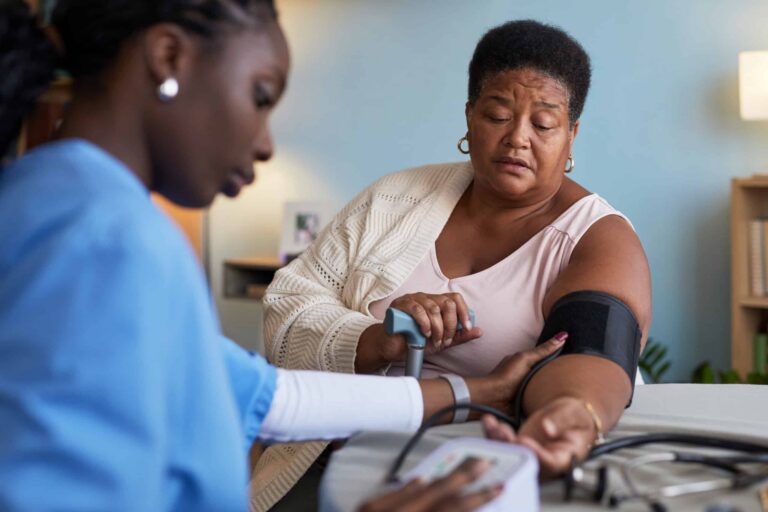
If you have type 2 diabetes, yoga, meditation and other mindfulness practices may help you lower your blood sugar — nearly to the degree that standard medications like metformin do, a new analysis suggests.
However, that does not mean you should swap your medication for meditation. The trials in the analysis all tested body-mind practices as an addition to standard diabetes treatment — not as a replacement for it.
That caveat made, mindfulness is worth a try, according to researchers.
“We could use all the tools we can get for [managing] type 2 diabetes,” says researcher Fatimata Sanogo, a PhD student at the University of Southern California’s Keck School of Medicine, in Los Angeles.
RELATED: 5 Ways To Lower Your Blood Sugar After A Meal
In the United States alone, over 37 million people have diabetes, the vast majority of whom have type 2, according to the U.S. National Institutes of Health. Type 2 diabetes arises when the body loses its ability to properly use insulin, a hormone that shuttles sugars from food into body cells to be used for energy.
As a consequence, sugar builds up in the bloodstream, which over time can damage blood vessels and nerves. Many people with diabetes develop complications like heart disease, kidney failure, nerve damage in the feet and legs, and potentially blinding eye disease.
Controlling blood sugar levels is key to cutting those risks.
But despite the various medications available, only half of the people with type 2 diabetes get their blood sugar down to recommended levels, Sanogo shares.
So Sanogo, who is also a yoga teacher, wanted to dig into the evidence on mind-body practices: Can they help people with diabetes gain better control over the condition?
For the study, she and her colleagues pulled together 28 published clinical trials that have tested various practices. The majority focused on yoga, which typically combines physical postures, breathing practices and meditation. Ten trials tested either qigong, guided imagery, meditation or mindfulness-based stress reduction — a standardized program that includes meditation and yoga and teaches people how to use mindfulness to deal with daily stressors.
Overall, the researchers found, the practices helped people with type 2 diabetes lower their A1c — a measure of average blood sugar levels over the past three months.
In general, people with diabetes should keep their A1c below 7%. Across these trials, mind-body practices lowered participants’ A1c by just over 0.8%, on average. That reduction, the study authors note, is close to what trials of metformin have shown — where A1c has been cut by about 1%.
“That effects size is pretty big,” says senior researcher Richard Watanabe, a professor at Keck. “I don’t think we expected to see that magnitude of an effect.”
He says the findings also highlight the importance of frequency, at least when it comes to yoga: In those studies, people who practiced more often — as much as every day — saw a greater benefit for their A1c.
Why does mindfulness help? The researchers believe it’s related to stress reduction, though the specifics are not fully clear. There could be indirect benefits, with stress relief making daily diabetes management easier. There could also be direct biological effects, where a dip in stress hormones helps quiet systemic inflammation in the body and lower blood sugar.
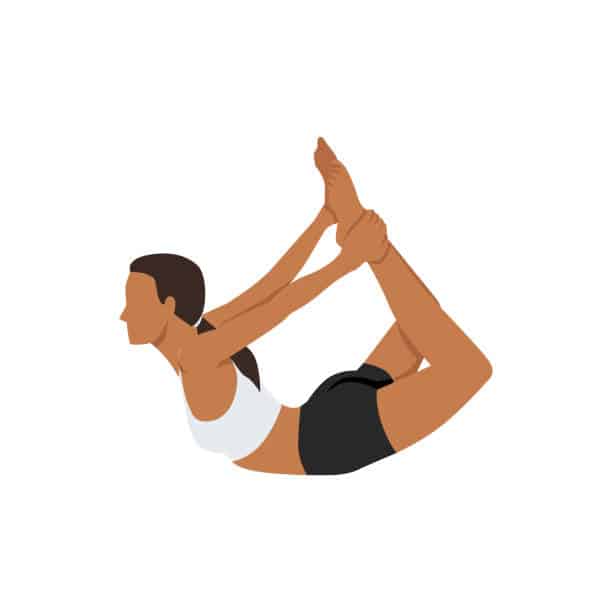
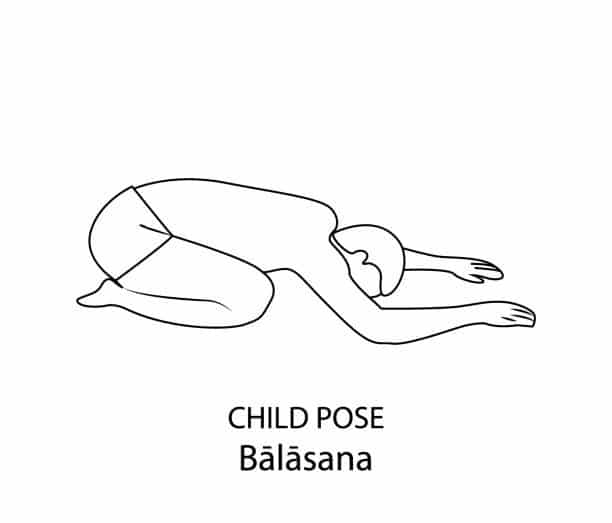
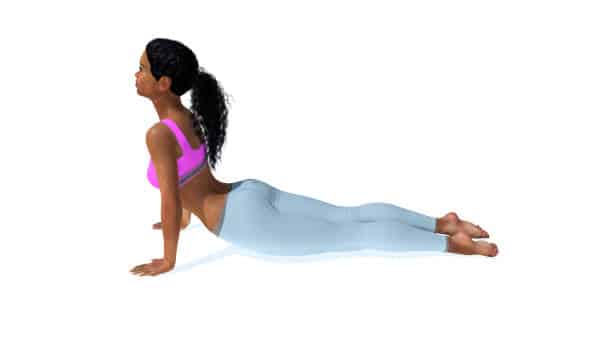
So which poses can help you manage your blood sugar levels? Here are 3 poses to get you started:
RELATED: 7 Healthier Ways to Lower Blood Sugars
Mind-body practices can fit into your overall lifestyle. What’s important is that you find healthy lifestyle habits that you enjoy and can keep up with. With yoga, you should be aware that there are different styles — ranging from gentle to more vigorous — and choose what’s appropriate for you.
Sanogo adds that while mind-body practices are low-risk, access can be an obstacle. Not everyone can find a class that is convenient and affordable.
There are, however, plenty of free apps and online sources where you can learn or be guided in meditation and other mind-body practices.


By subscribing, you consent to receive emails from BlackDoctor.com. You may unsubscribe at any time. Privacy Policy & Terms of Service.