• Skip to main content
  • Skip to secondary menu
  • Skip to primary sidebar
  • Skip to footer
BlackDoctor.org
Where Wellness & Culture Connect

Where Wellness & Culture Connect

  • Conditions
  • Wellness
  • Lifestyle
  • Longevity
  • Clinical Trials
  • Resources
    • Generational Health
    • Top Blacks in Healthcare 2025
    • Hall Of Fame
    • Clinical Trials Resource Center
    • Obesity Resource Center
    • Cancer Resource Center
    • Wellness on the Yard
    • Immunocompromised Care
    • BDO Resource Library
  • Find A Doctor
  • BDO TV
Home / Health Conditions / Disability / 10 Questions To Ask Your Doctor About Cochlear Implants

10 Questions To Ask Your Doctor About Cochlear Implants

Cochlear Implants

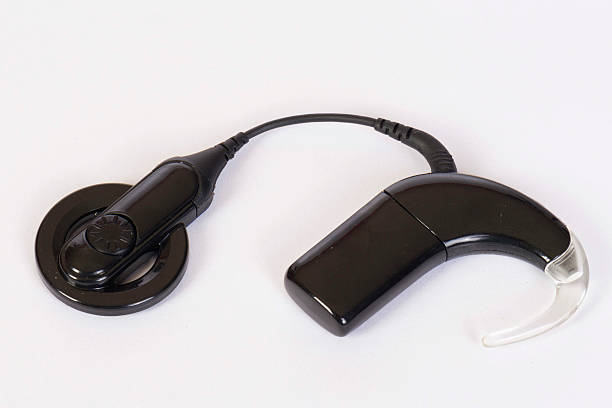
There are different treatment options available for those who are dealing with hearing loss. One avenue is the use of cochlear implants. While it’s become a routine surgery, there are certain questions you should ask your doctor to ensure that you know what you’re getting into. 

10 Questions To Ask About Cochlear Implants

1. Do you use MRI-safe implants?

Many people need to get an MRI done in their lifetimes. Since cochlear implants contain a magnet, an MRI can cause damage to the implant and your ear. Fortunately, there are MRI-safe implants where the magnet spins in place instead of moving. 

2. Do I need surgery on both ears?

The answer to this question will depend on how badly your hearing has been affected in each ear. Some people only need one implant to complement the hearing in their other ear. If the hearing loss in one ear isn’t bad enough to need an implant but still isn’t satisfactory, ask your doctor about an implant/hearing aid combination.

You May Also Like
Psoriatic Arthritis Can Feel Beyond Your Control. Consider a Different Direction. Learn More Here. Psoriatic Arthritis Can Feel Beyond Your Control. Consider a Different Direction. Learn More Here.

3. What are the risks of having this surgery?

Every surgery has an element of risk. Though the risks of cochlear implant surgery are usually minimal, some of the issues you might experience include dizziness, bleeding, ringing in the ear, and facial nerve weakness. 

4. Will the surgery damage my ears?

Generally, surgeons have techniques that won’t damage the existing structure of your ear. However, some people have hearing loss because of abnormalities in their ears that may have to be addressed when putting in the implant. 

5. How long is the recovery period?

The timeline can vary but most people are able to go home within a day of the surgery. After a week or two, they’re usually able to go back to work. 

You May Also Like
Get GLP-1s Delivered to You As Low As $99/Month! Get GLP-1s Delivered to You As Low As $99/Month!

6. Will I be able to hear immediately?

There’s usually some amount of healing that needs to take place before your doctor will switch on the implant and test it. This can take up to six weeks. 

RELATED: Ten Ways You May Be Ruining Your Hearing

7. How well will the implants improve my hearing?

While cochlear implants are meant to mimic the natural flow of sounds in your ear to your brain, they might not always sound exactly the same. This is an important matter to discuss with your doctor so you can manage your expectations. 

8. Will I be able to listen to music or be in loud environments?

Again, this can vary from one person to the other but your doctor can give you some guidance on what to expect. 

9. Will I need more surgery if the technology improves?

It’s not typical for you to need further surgery based on technology changes as cochlear implants have not

changed much. However, your doctor will be able to let you know how likely it might be. 

10. Can I swim with a cochlear implant?

Given how the implant is constructed, you shouldn’t have an issue with swimming or showering. Your doctor will let you know, though, if any physical activities are off-limits. 

Who Needs An Implant

Doctors usually recommend cochlear implants for persons who have significant or profound hearing loss that isn’t helped by hearing aids. They tend to work well for those who have only been having poor hearing for a short period so doctors tend to act quickly so you can get implants as soon as possible. It’s not that the implants won’t work if you’ve been dealing with hearing loss for a long time but doctors have found that they might not be as effective. 

RELATED: 7 Types Of Assistive Hearing Devices You Need To Know

How To Take Care Of Your Cochlear Implants

Your cochlear implant needs regular maintenance. That usually includes cleaning the external parts of the implant, checking for damage, and changing the batteries. Some parts of the implant will also need to be replaced on a scheduled basis. Since the details of maintenance can vary based on the model of your implant, it’s essential to cover its care with your doctor. You should also let your doctor know if your implant isn’t working as well as it used to or if it was damaged. 

Doctors usually recommend cochlear implants when you have profound hearing loss. If your doctor has recommended them, then make sure you have all the information you need before going forward. 
By Karen Heslop | Published September 10, 2023

The Latest In Disability

disability

How to Disclose a Disability at Work—and Should You?

Navigating the decision to disclose a disability at work can be deeply personal—and often complex. While doing so may open the door to necessary accommodations and support, it can also raise questions about privacy, stigma, and professional repercussions. Understanding your read more about How to Disclose a Disability at Work—and Should You?
assistive technologies

10 Assistive Technologies Make Life With Disability Easier

In 2025, assistive technology is advancing at an unprecedented pace, breaking barriers and empowering people with disabilities to live more independently, communicate more effectively, and navigate the world with greater ease. From AI-driven mobility aids to adaptive communication devices, these read more about 10 Assistive Technologies Make Life With Disability Easier
ADA

Know Your Rights: Navigating the ADA in 2025

More than three decades after it was signed into law, the Americans with Disabilities Act (ADA) remains a cornerstone of civil rights for individuals with disabilities. Passed in 1990, the ADA prohibits discrimination based on disability and guarantees equal access read more about Know Your Rights: Navigating the ADA in 2025
vision loss

Impaired Vision? Tips For Coping With Vision Loss

One of the scariest things about hearing you have diabetic macular edema (DME) is hearing that you may lose your eyesight temporarily or permanently. But what do you do when that fear becomes a reality? People who are visually impaired read more about Impaired Vision? Tips For Coping With Vision Loss
marching band

Meet the Drum Major Who Turned His Hearing Loss Into a Superpower

For many, music is a passion. For Aidan Moore, it’s a calling. Born into a family deeply rooted in the legacy of Florida A&M University’s Marching 100, Aidan dreamed of being part of a prestigious marching band since childhood. His read more about Meet the Drum Major Who Turned His Hearing Loss Into a Superpower
contraceptive

Which Contraceptive Is Right for You? 4 Things to Consider

With so much information online and an overwhelming number of contraceptive options available, choosing the right method can feel daunting. Should you take the pill, get an IUD, try an injection, or opt for an estrogen-free option? These are just read more about Which Contraceptive Is Right for You? 4 Things to Consider

Primary Sidebar

Subscribe to our newsletter

Icon

Caring for You, Too - Caregiver Workbook

1 file(s) 297 KB
Download

Trending Articles

Key Nutritional Supplements for Those Living with HIV

nutritional supplements for HIV

Why I Did Clinical Trials for TNBC: “It Very Likely Saved And Extended My Life”

Why I Did a Trial for TNBC: "It Very Likely Saved And Extended My Life"

This Clinical Trial Reversed a Rare Cause of Vision Loss

This Clinical Trial Reversed a Rare Cause of Vision Loss

This AI Tool Detects Diabetic Eye Disease Faster in Black Americans

This AI Tool Detects Diabetic Eye Disease Faster in Black Americans

Gluten Allergy Symptoms: 13 Warning Signs You Shouldn’t Ignore

gluten allergy
Find a Culturally Sensitive Doctor

Footer

Where Wellness & Culture Connect

BDO is the world’s largest and most comprehensive online health resource specifically targeted to African Americans. BDO understands that the uniqueness of Black culture - our heritage and our traditions - plays a role in our health. BDO gives you access to innovative new approaches to the health information you need in everyday language so you can break through the disparities, gain control and live your life to its fullest.

Connect With Us

Resource Centers

  • Top Blacks in Healthcare
  • Clinical Trials
  • Wellness on the Yard
  • Cancer
  • Immunocompromised Care
  • About Us
  • Privacy Policy
  • Cookie Policy
  • Terms of Service
  • Careers
  • Advertise With Us
  • Advertising & Sponsorship Policy
  • Daily Vitamina
  • TBH

Copyright © 2025, Black Doctor, Inc. All rights reserved.