• Skip to main content
  • Skip to secondary menu
  • Skip to primary sidebar
  • Skip to footer
BlackDoctor.org
Where Wellness & Culture Connect

Where Wellness & Culture Connect

  • Conditions
  • Wellness
  • Lifestyle
  • Longevity
  • Clinical Trials
  • Resources
    • Generational Health
    • Top Blacks in Healthcare 2025
    • Hall Of Fame
    • Clinical Trials Resource Center
    • Obesity Resource Center
    • Cancer Resource Center
    • Wellness on the Yard
    • Immunocompromised Care
    • BDO Resource Library
  • Find A Doctor
  • BDO TV
Home / Health Conditions / Breast Cancer / Breast Cancer Survivor to Black Women Facing Obstacles: “Don’t Give Up”

Breast Cancer Survivor to Black Women Facing Obstacles: “Don’t Give Up”

inflammatory breast cancer
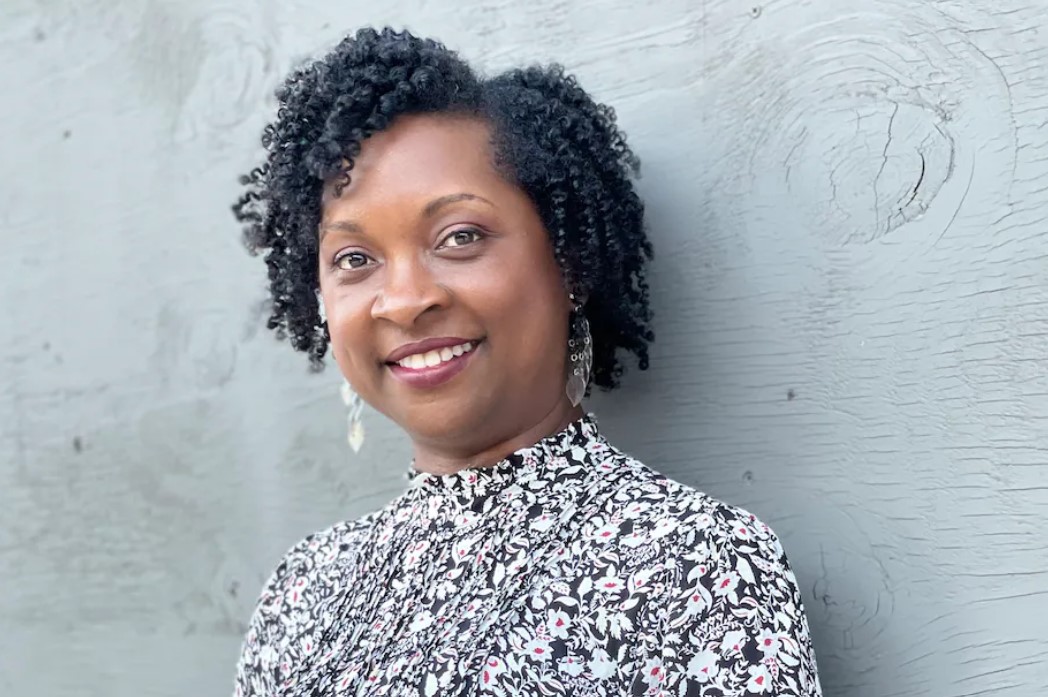
Photo via The Washington Post (Tiffany Davis)

For most people, it is completely normal to have one breast that is larger than the other. However, for Katrece Nolen, it was a cause for concern.

She made the discovery while she was crawling on the floor with her youngest child, who was a toddler at the time.

Immediately knowing something was off, she called her doctor, who was out that day. The receptionist offered her an appointment at a later date, but Nolen knew her discovery needed immediate attention.

“I said, ‘No, I need to see somebody today,’ ” Nolen recalls.

You May Also Like
Psoriatic Arthritis Can Feel Beyond Your Control. Consider a Different Direction. Learn More Here. Psoriatic Arthritis Can Feel Beyond Your Control. Consider a Different Direction. Learn More Here.

Black women and self-advocacy

Nolen was officially diagnosed with inflammatory breast cancer, an especially aggressive form of breast cancer, in 2013. Fortunately, she beat her cancer diagnosis. Now, nine years into her remission, the 47-year-old is more passionate than ever to share the importance of self-advocacy for Black women.

“The most important thing about self-advocacy is don’t give up,” Nolen shares. “You have to push through the despair to get the test results, the diagnosis and the appointments you need.”

This is a message that is extremely crucial for Black women who have a 41 percent higher death rate, despite having a 4 percent lower incidence of breast cancer than white women, according to the American Cancer Society.

You May Also Like
Get GLP-1s Delivered to You As Low As $99/Month! Get GLP-1s Delivered to You As Low As $99/Month!

According to the report, this is in large part due to millions of low-income Black people being exposed to environmentally toxic neighborhoods and severely limited access to health care, quality food and good schools.

This is just one factor; however, even Blacks who have the resources often get dismissed or have to fight to get adequate care.

RELATED: 5 Commonly Overlooked Signs of Breast Cancer

Facing her obstacles

Nolen, an entrepreneur, civic activist and book author, has health insurance, work flexibility and access to the best medical facilities and still remembers having to fight for the care and respect she deserved after her mammogram and an ultrasound exam showed inconclusive results.

“So, a couple of weeks later, I was trying to button my shirt and I couldn’t button my shirt, it had swollen up that much that fast,” Nolen shares.

After being referred to a specialist, she was told that she would not be able to get an appointment until two months later.

“I said, ‘You know, this swelling occurred in just a few weeks. I don’t think waiting two months will work out for me. Can she see me sooner?’ ” Nolen recalls. “And they said, ‘No, she’s booked up.’ ”

Faced with a dilemma and not willing to allow the fast-growing breast cancer to spread to other parts of her body, Nolen asked if another doctor was available. Fortunately, there was. If Nolen had waited those two months, she could have faced a completely different outcome.

Inflammatory breast cancer kills roughly 60 percent of the women who get it within five years and Black women with it tend to live about two years less than white women.

At her next appointment, Nolen would face yet another obstacle. After bringing her mammogram results on a compact disc, she was told that the medical equipment only took film and she would have to reschedule.

“I said, ‘No, you didn’t mention anything about film,’ ” Nolen shares. “ ’I’m here. I’ve been waiting. I can at least have a talk with the doctor, right?’ ” The receptionist said no. “And I said, ‘No, no, no. I need to be seen today.’ ”

While having a discussion with the office manager, Nolen’s doctor walked in, explaining the need for film and apologizing for the delay.

“She said, ‘Ms. Nolen, looking at your records and looking at you, standing right here in front of me, I think you may have inflammatory breast cancer,’ ” Nolen says. “And I was like, ‘What? I don’t even know what that is, but, oh, Lord.’ ”

From there, Nolen received a skin biopsy on a Friday and spent the weekend anxiously awaiting her results. On Monday, her doctor’s speculations were confirmed and she began to assemble her treatment team. After nine months of treatment, Nolen was officially cancer-free. This sparked her to share her experience in her book “I’ve Been Diagnosed. Now What?”

RELATED: Bodybuilder’s Battle With Breast Cancer: “Emotionally I Was a Wreck”

Recognizing the signs of inflammatory breast cancer

Unfortunately, many women aren’t as fortunate as Nolen.

This year alone, an estimated 36,260 Black women will be diagnosed with breast cancer, and 6,800 Black women will die of the disease, according to a report from the American Cancer Society.

Because inflammatory breast cancer can develop so quickly (within 3-6 months), it is important to recognize the signs and symptoms:

  • Swelling (edema) of the skin of the breast
  • Redness involving more than one-third of the breast
  • Pitting or thickening of the skin of the breast so that it may look and feel like an orange peel
  • A retracted or inverted nipple
  • One breast looking larger than the other because of swelling
  • One breast feeling warmer and heavier than the other
  • A breast that may be tender, painful or itchy
  • Swelling of the lymph nodes under the arms or near the collarbone

Although having any of these symptoms doesn’t mean that you have inflammatory breast cancer, it’s important to see a doctor right away so that if you do have breast cancer, you can get treated as quickly as possible and raise your chances of survival.

By Jasmine Smith | Published March 8, 2022

March 8, 2022 by Jasmine Smith

The Latest In Breast Cancer

Why I Did a Trial for TNBC: "It Very Likely Saved And Extended My Life"

Why I Did Clinical Trials for TNBC: “It Very Likely Saved And Extended My Life”

My cancer journey began in 2015 during a routine mammogram that revealed a mass in my breast, which turned out to be Triple-Negative Breast Cancer (TNBC), a rare and aggressive form of the disease. In my 50s and coming from read more about Why I Did Clinical Trials for TNBC: “It Very Likely Saved And Extended My Life”
dense breasts

Have Dense Breasts? Here’s Why a Standard Mammogram Might Not Be Enough

Breast cancer is the most common cancer in women globally. In the United States, about one in eight women will be diagnosed with breast cancer at some point in their lives.  Breast cancer screenings—such as self-exams and mammograms—are crucial for read more about Have Dense Breasts? Here’s Why a Standard Mammogram Might Not Be Enough
Understanding Breast Cancer Clinical Trials for Black Women

Understanding Breast Cancer Clinical Trials for Black Women

Breast cancer is a type of cancer that starts with the growth of cells within the breast tissue.  Several types of breast cancer exist, including:  Ductal carcinoma in situ Invasive breast cancer Triple-negative breast cancer Inflammatory breast cancer Paget disease read more about Understanding Breast Cancer Clinical Trials for Black Women
inflammatory breast cancer

Inflammatory Breast Cancer Symptoms: What Every Woman Should Know

  Inflammatory breast cancer is rare, but it’s aggressive and fast-growing. It can show up suddenly, progress quickly, and may be harder to detect early than other forms of breast cancer. That's why knowing the inflammatory breast cancer symptoms can read more about Inflammatory Breast Cancer Symptoms: What Every Woman Should Know
breast cancer

Fewer Black Women Are Dying from Breast Cancer—Here’s Why

The numbers are stark: Black women are about 40 percent more likely to die from breast cancer compared to white women, even though they are diagnosed at similar rates. This isn't just a statistic; it represents systemic barriers that Susan read more about Fewer Black Women Are Dying from Breast Cancer—Here’s Why
This Black Woman Went From Stage 3 Breast Cancer to Clinical Trials Advocate

This Black Woman Went From Stage 3 Breast Cancer to Clinical Trials Advocate

Javonne Williams' life took an unexpected turn in 2022 when she received a devastating diagnosis: stage three breast cancer. The news was a shock, but Williams faced her diagnosis with determination. She underwent an aggressive treatment plan, including a double read more about This Black Woman Went From Stage 3 Breast Cancer to Clinical Trials Advocate

Primary Sidebar

Subscribe to our newsletter

Icon

Caring for You, Too - Caregiver Workbook

1 file(s) 297 KB
Download

Trending Articles

How to Treat Hidradenitis Suppurativa in Black People

How to Treat Hidradenitis Suppurativa in Black People

5 Early Signs of Bed Bugs You Need To Know

early signs of bed bugs

Why I Did Clinical Trials for TNBC: “It Very Likely Saved And Extended My Life”

Why I Did a Trial for TNBC: "It Very Likely Saved And Extended My Life"

This Clinical Trial Reversed a Rare Cause of Vision Loss

This Clinical Trial Reversed a Rare Cause of Vision Loss

What Black Americans Need to Know Clinical Trials for Lung Cancer

lung cancer clinical trials
Find a Culturally Sensitive Doctor

Footer

Where Wellness & Culture Connect

BDO is the world’s largest and most comprehensive online health resource specifically targeted to African Americans. BDO understands that the uniqueness of Black culture - our heritage and our traditions - plays a role in our health. BDO gives you access to innovative new approaches to the health information you need in everyday language so you can break through the disparities, gain control and live your life to its fullest.

Connect With Us

Resource Centers

  • Top Blacks in Healthcare
  • Clinical Trials
  • Wellness on the Yard
  • Cancer
  • Immunocompromised Care
  • About Us
  • Privacy Policy
  • Cookie Policy
  • Terms of Service
  • Careers
  • Advertise With Us
  • Advertising & Sponsorship Policy
  • Daily Vitamina
  • TBH

Copyright © 2025, Black Doctor, Inc. All rights reserved.