
Physician and head of breast cancer therapy at New Jersey’s Overlook Medical Center Bonni Guerin, M.D., tells SELF that around half of all adult American women have dense breasts. The prevalence of dense breasts is underestimated, she argues. Breast density may range from “mainly fatty” to “very dense.”
Mammogram Results
You are probably already aware of your breasts’ size, sensitivity, potential fibrousness, and cystic nature. However, do you have any idea whether they are dense? This isn’t something you can just feel.
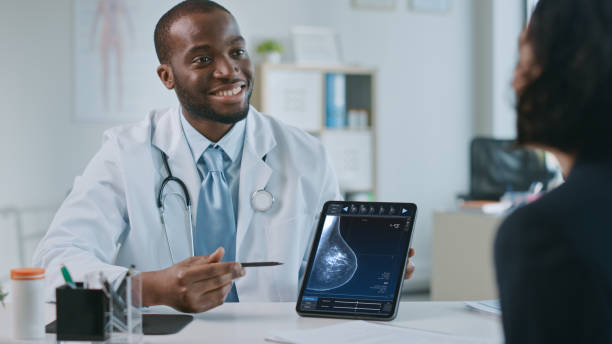
The mammography findings for many women include a letter informing them that they have dense breasts. However, recent studies show that women are unsure of what “dense breasts” really are and are frightened about the effects they may have on their health.
Notifying patients of high mammographic density is mandatory in about half of the states in the United States. Unfortunately, recent research published in JAMA reveals that the letters are frequently puzzling to women and may even cause them to falsely believe they have cancer when they do not.


RELATED: Dense Breasts? This MRI Screening Can Rule Out Breast Cancer
Common In Women Younger Or With Smaller Breasts
Breast density decreases with age, which aids in mammographic imaging. Younger women and women with smaller breasts tend to have a higher prevalence of dense breasts. That’s why, as Czerniecki points out, “we don’t normally suggest that 20-year-olds undergo mammograms.” “Your visibility would be severely impaired.”
Increased Risk Of Developing Breast Cancer
According to Moffitt Cancer Center, breast cancer department head Brian Czerniecki, M.D., Ph.D., most doctors still don’t understand the implications of dense breasts for women’s health.
While mammograms may identify lumps and malignant growths in non-dense breast tissue, women with dense breast tissue have a higher chance of developing breast cancer. According to Czerniecki, “extra screenings” should be made available to women whose mammograms show a high density.”
Knowing you have dense breasts is significant since it is one of the most significant risk factors for getting breast cancer and because of the difficulties that screening might offer. According to Guerin, approximately one-third of all breast cancers are diagnosed in women with dense breasts; thus, this may boost your risk by as much as five times.
You May Also Like

Breast density has been linked to an increased risk of breast cancer in women; however, the reasons for this are unclear. Breast cancer risk increases in direct proportion to breast size, according to Richard Reitherman, M.D., Ph.D., medical director of breast imaging at California’s Memorial Care Breast Center at Orange Coast Memorial Medical Center, who spoke to SELF.
It does not cause for alarm, according to Czerniecki, if you learn that you have dense breasts. Some risk models for breast cancer now include breast density.
Still, other variables, such as a person’s family history and the results of any prior biopsies, remain more crucial. He reassures patients concerned about their risk of breast cancer that having dense breasts does not always indicate future malignancy.
Best Way To Lower Your Risk Of Developing Breast Cancer
If your doctor tells you that you have dense breasts after a mammogram, Reitherman recommends asking about further screening options, such as an MRI, which may provide a clearer picture of the breast’s inside.
Reitherman argues that the greatest approach to reduce your chance of having breast cancer, regardless of whether or not you have thick breasts, is via a decent diet and frequent exercise.
However, he points out that hormone-blocking drugs may reduce a woman’s breast density and cancer risk if she is at a very high risk for getting breast cancer.