• Skip to main content
  • Skip to secondary menu
  • Skip to primary sidebar
  • Skip to footer
BlackDoctor.org
Where Wellness & Culture Connect

Where Wellness & Culture Connect

  • Conditions
  • Wellness
  • Lifestyle
  • Longevity
  • Clinical Trials
  • Resources
    • Generational Health
    • Top Blacks in Healthcare 2025
    • Hall Of Fame
    • Clinical Trials Resource Center
    • Obesity Resource Center
    • Cancer Resource Center
    • Wellness on the Yard
    • Immunocompromised Care
    • BDO Resource Library
  • Find A Doctor
  • BDO TV
Home / Health Conditions / Preterm Birth / Hot Mama? Extreme Temperatures May Increase Risk For Preterm Birth

Hot Mama? Extreme Temperatures May Increase Risk For Preterm Birth


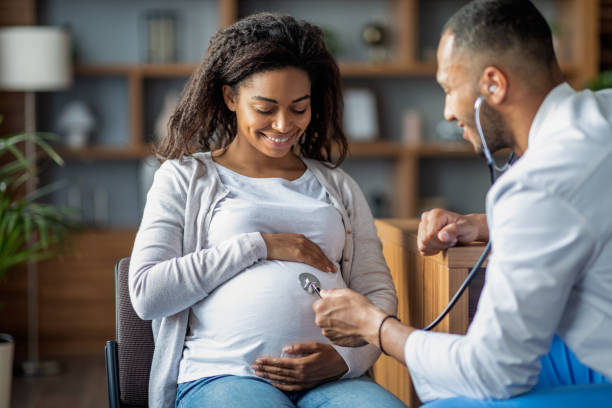
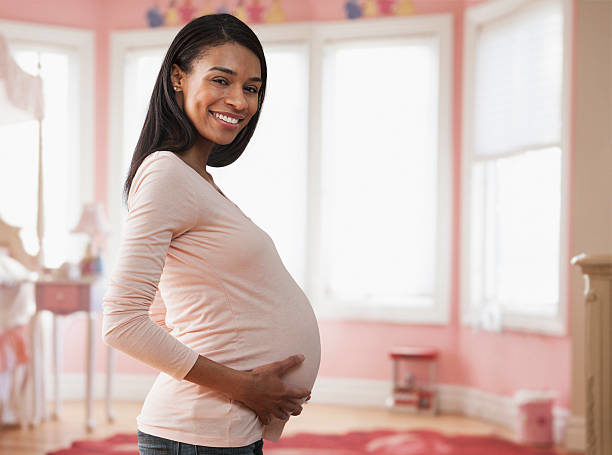
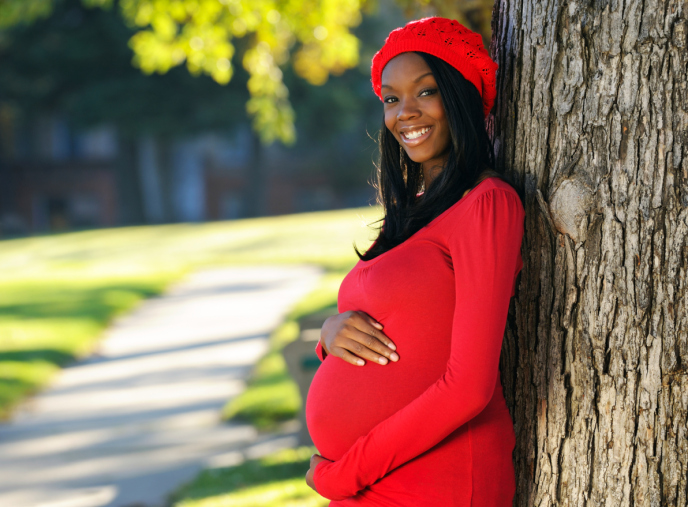
pregnant woman posing outside leaning against a treeExpectant mothers worried about their chances of having a premature baby may want to be more mindful of the weather.

RELATED: 5 Things Black Women Should Know About Preterm Birth

According to research, exposure to extreme hot or cold conditions during pregnancy can put the unborn child at an increased risk for preterm birth.

You May Also Like
Psoriatic Arthritis Can Feel Beyond Your Control. Consider a Different Direction. Learn More Here. Psoriatic Arthritis Can Feel Beyond Your Control. Consider a Different Direction. Learn More Here.

“Our findings indicate that it may well be prudent to minimize the exposure of pregnant women to extremes in temperature,” said Pauline Mendola, researcher at the National Institutes of Health (NIH).

The first seven weeks of pregnancy are crucial, according to the study. It’s at this time that heatwaves or cold spells can lead to early delivery.

But for a woman exposed to extreme heat for most of her pregnancy, there were risks of preterm birth as well.

You May Also Like
Get GLP-1s Delivered to You As Low As $99/Month! Get GLP-1s Delivered to You As Low As $99/Month!

“[Researchers] theorized that, during cold spells, people are more likely to seek shelter and so could more easily escape the cold’s effects,” according to NIH. “But during extreme heatwaves, people are more likely to endure the temperature, particularly when the cost of or access to air conditioning is an impediment."

More than 223,000 births at 12 clinical centers across the U.S. were reviewed for this study, which was published in Environmental Health Perspectives, a medical journal. Researchers compared the birth times to hourly temperature records in the region of each clinic.

RELATED: Mothers With Asthma Potentially At Higher Risk of Preterm Birth

For women who experienced cold spells for the first seven weeks of pregnancy, there was a 20 percent increased risk of delivering their child before 34 weeks. If the first seven weeks occurred on hot days, there was an 11 percent increase in birth before 34 weeks.

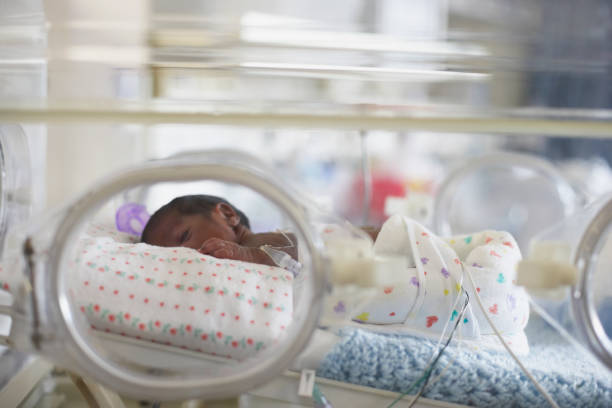
Preterm birth, which is the birth of a child before 37 weeks, puts infants at risk for death or long-term disability.

“The researchers theorize that the stress of temperature extremes could hinder the development of the placenta or alter blood flow to the uterus, both of which could potentially lead to early labor,” NIH wrote.

How to protect yourself in extreme temperatures

If you are pregnant, you need to take special care when dealing with extreme temperatures, whether it's extreme heat or cold. Here are some tips to help you stay safe and comfortable in extreme temperatures:

In Extreme Heat

  1. Stay Hydrated: Drink plenty of water throughout the day to prevent dehydration. Dehydration can lead to overheating and other complications.
  2. Wear Appropriate Clothing: Choose loose-fitting, lightweight, and breathable clothing in light colors. A wide-brimmed hat and sunglasses can also provide sun protection.
  3. Seek Shade: When outdoors, stay in shaded areas as much as possible to avoid direct sun exposure.
  4. Cool Down: Use fans, air conditioning, or cool showers to lower your body temperature.
  5. Limit Outdoor Activities: Avoid strenuous activities during the hottest parts of the day. If you need to be outside, do so during cooler hours, like early morning or evening.
  6. Elevate Feet: If you experience swelling, elevate your feet when resting to improve circulation.
  7. Use Sunscreen: Use pregnancy-safe sunscreen to protect your skin from the sun's harmful rays.
  8. Monitor Your Body: Pay attention to signs of heat exhaustion or heatstroke, such as dizziness, nausea, rapid heartbeat, or confusion. Seek shade and hydrate immediately if you experience these symptoms.

In Extreme Cold

  1. Dress in Layers: Wear several layers of clothing to trap heat and insulate your body. Make sure to cover extremities like hands and feet.
  2. Wear Warm Accessories: Invest in warm gloves, scarves, and hats to keep your body heat from escaping.
  3. Stay Dry: Wet clothing can make you feel much colder. Ensure that you stay dry, especially in cold and damp conditions.
  4. Use Proper Footwear: Wear insulated and waterproof boots to protect your feet from cold and wet conditions.
  5. Limit Exposure: Minimize the time spent outdoors in extremely cold weather. If you need to be outside, take frequent breaks indoors to warm up.
  6. Stay Active: Light physical activity can help improve circulation and keep you warm. Just make sure not to overexert yourself.
  7. Hydrate: Even in cold weather, staying hydrated is important. Drink water regularly to keep your body functioning properly.
  8. Monitor for Hypothermia: Watch for signs of hypothermia, such as shivering, confusion, drowsiness, and slurred speech. Seek warmth and medical attention if you experience these symptoms.

Remember that extreme temperatures can put additional stress on your body during pregnancy. It is important to listen to your body, take breaks as needed, and consult your healthcare provider if you have any concerns about how the extreme temperatures might be affecting you and your baby. It's important to prioritize your comfort and well-being during pregnancy.

By Derrick Lane | Published August 28, 2023

The Latest In Preterm Birth

preterm birth

What I Wish I Knew: The Truth About Preterm Birth for Black Women

In the world of maternal healthcare, few voices resonate with as much urgency and clarity as Dr. Kim Bruno’s. A healthcare provider with 17 years of experience, Dr. Bruno has transitioned from private practice to Sera Prognostics’ Associate Director of read more about What I Wish I Knew: The Truth About Preterm Birth for Black Women
preterm labor

My Water Broke 3 Weeks Early—Here’s What I Wish I Knew About Preterm Labor

Pregnancy is often a journey filled with anticipation, excitement, and a touch of nervousness. But for many women, it can also come with unexpected challenges. "My first daughter was born at 37 weeks and caught me completely by surprise. She read more about My Water Broke 3 Weeks Early—Here’s What I Wish I Knew About Preterm Labor
preterm birth

A Blood Test That Could Change Everything for Black Moms-to-Be

For Black women, the journey to motherhood comes with unique challenges. One in 10 babies in the US are born preterm. Black mothers are 50 percent more likely to experience preterm birth—one of the leading causes of infant mortality—compared to non-Hispanic read more about A Blood Test That Could Change Everything for Black Moms-to-Be
preterm birth

5 Things Black Women Should Know About Preterm Birth

Having a 'bun in the oven' can be a time of excitement and joy about what's to come, but if your bun doesn't 'bake' long enough, that can be cause for serious concern. According to the CDC, in 2021, preterm read more about 5 Things Black Women Should Know About Preterm Birth
premature baby

9 Things You Need To Know About Preterm Baby Care

Bringing home a new, premature, baby can be a very scary experience for new parents. After weeks and sometimes months in NICU, who would know all the factors that go into after-care for your precious tiny preemie? Registered Nurse, Terry read more about 9 Things You Need To Know About Preterm Baby Care

Exercise & Pregnancy: What’s Safe?

Are you expecting and a bit of a fitness fanatic? Not sure how much is too much with a bun in the oven? BlackDoctor.org recently caught up with Dr. Jamil Abdur-Rahman of Twin Doctors TV, who answered some of the read more about Exercise & Pregnancy: What’s Safe?

Primary Sidebar

Subscribe to our newsletter

Icon

Caring for You, Too - Caregiver Workbook

1 file(s) 297 KB
Download

Trending Articles

12 Reasons Why It Feels Like Your Heart Rate Won’t Slow Down

heart rate

How to Treat Hidradenitis Suppurativa in Black People

How to Treat Hidradenitis Suppurativa in Black People

5 Early Signs of Bed Bugs You Need To Know

early signs of bed bugs

Why I Did Clinical Trials for TNBC: “It Very Likely Saved And Extended My Life”

Why I Did a Trial for TNBC: "It Very Likely Saved And Extended My Life"

This Clinical Trial Reversed a Rare Cause of Vision Loss

This Clinical Trial Reversed a Rare Cause of Vision Loss
Find a Culturally Sensitive Doctor

Footer

Where Wellness & Culture Connect

BDO is the world’s largest and most comprehensive online health resource specifically targeted to African Americans. BDO understands that the uniqueness of Black culture - our heritage and our traditions - plays a role in our health. BDO gives you access to innovative new approaches to the health information you need in everyday language so you can break through the disparities, gain control and live your life to its fullest.

Connect With Us

Resource Centers

  • Top Blacks in Healthcare
  • Clinical Trials
  • Wellness on the Yard
  • Cancer
  • Immunocompromised Care
  • About Us
  • Privacy Policy
  • Cookie Policy
  • Terms of Service
  • Careers
  • Advertise With Us
  • Advertising & Sponsorship Policy
  • Daily Vitamina
  • TBH

Copyright © 2025, Black Doctor, Inc. All rights reserved.