• Skip to main content
  • Skip to secondary menu
  • Skip to primary sidebar
  • Skip to footer
BlackDoctor.org
Where Wellness & Culture Connect

Where Wellness & Culture Connect

  • Conditions
  • Wellness
  • Lifestyle
  • Longevity
  • Clinical Trials
  • Resources
    • Generational Health
    • Top Blacks in Healthcare 2025
    • Hall Of Fame
    • Clinical Trials Resource Center
    • Obesity Resource Center
    • Cancer Resource Center
    • Wellness on the Yard
    • Immunocompromised Care
    • BDO Resource Library
  • Find A Doctor
  • BDO TV
Home / Health Conditions / Sleep Disorders / Getting Better Overall Sleep Might Be the Key to Better Health

Getting Better Overall Sleep Might Be the Key to Better Health

sleep disorders

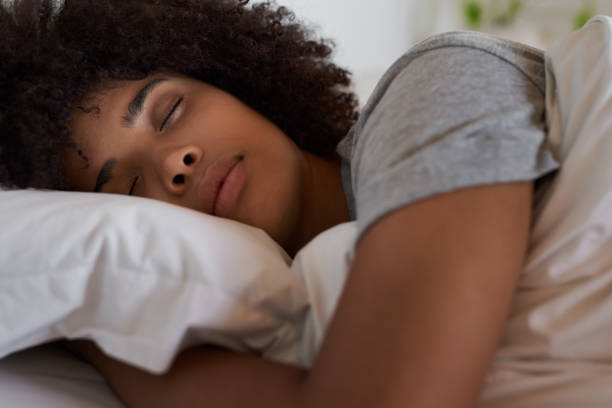
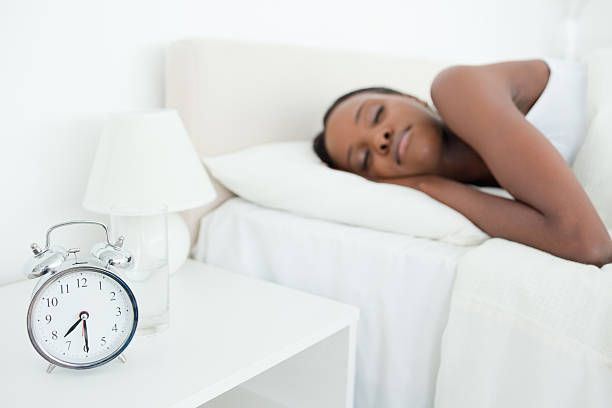
Those suffering from sleep disorders may benefit from improving their overall sleep health. Improving your overall sleep health could help lower your risk for high blood pressure, diabetes, obesity and other cardiovascular threats, according to new research.

Experts already knew a lack of sleep and having sleep disorders can put health at risk. But the new study looked into whether the multiple factors that go into a good night's sleep are collectively associated with health risks.

To measure overall sleep health, the researchers created a multi-dimensional score based on the average amount of sleep each night, the consistency of bedtime and wake-up times, and how long it takes to fall asleep. They also factored in excessive daytime sleepiness and symptoms of sleep disorders such as snoring and difficulty breathing during sleep.

You May Also Like
Psoriatic Arthritis Can Feel Beyond Your Control. Consider a Different Direction. Learn More Here. Psoriatic Arthritis Can Feel Beyond Your Control. Consider a Different Direction. Learn More Here.

Then, they calculated an overall sleep health score of "poor," "moderate" or "ideal" for 4,559 adults who took part in the 2017-18 National Health and Nutrition Examination Survey. The NHANES is ongoing research consisting of household interviews and physical exams conducted as part of the Centers for Disease Control and Prevention's work to gather health statistics.

Bedgasm: 6 Tips For A Better Night’s Sleep

What the study shows

The new study found that compared to people with poor sleep scores, those with ideal sleep health had 66% lower odds of high blood pressure, 58% reduced odds of Type 2 diabetes, 73% lower odds of obesity, and 69% lower odds of central adiposity, or waist-line fat.

You May Also Like
Get GLP-1s Delivered to You As Low As $99/Month! Get GLP-1s Delivered to You As Low As $99/Month!

"Multidimensional sleep health is important because our sleep habits are not isolated, they're interrelated. Sleep health as a whole may be stronger than the sum of its parts," says the study's lead researcher Dr. Nour Makarem, a cardiovascular epidemiologist and assistant professor at Columbia University in New York City.

She compared evaluating sleep health to determining what makes up a healthy diet. "We don't consume different foods and nutrients in isolation of each other. It's the same with the different aspects of sleep."

In addition to looking at overall sleep health, researchers zeroed in on the separate sleep factors.

For example, people who didn't have trouble falling asleep and never or rarely snored or experienced daytime sleepiness had lower odds of

high blood pressure (up to 46%), Type 2 diabetes (up to 51%), obesity (up to 58%) and waist-line fat (up to 54%) than those who did.

The study also found that compared with people who got too little or too much sleep, those who got the recommended seven to nine hours of sleep had a 29% lower chance of having high blood pressure.

Future clinical studies are needed to figure out how improving multidimensional sleep might lower cardiovascular risks, Makarem adds.

Marie-Pierre St-Onge, a sleep researcher who was not involved in the research, said the study "provides more support for the role sleep has in association with cardiovascular disease risk."

But the research was limited in that it only looked at data from one specific point in time. And it's unknown if sleep is impacting risk for these conditions or if the conditions are impacting sleep, St-Onge, associate professor of nutritional medicine at Columbia University in New York City says.

RELATED: Effective Exercises That Will Save You From Insomnia

How to monitor your sleep habits

Makarem says doctors need to be more vigilant about diagnosing and treating sleep disorders, such as sleep apnea, and screening for sleep problems. But she also pointed out people need to pay more attention to their sleep habits, what time they go to bed and wake up each day, and how much sleep they get.

"One of the most important things is to have a fixed, consistent sleep schedule, getting seven to eight hours on both weekdays and weekends."

It's also important to limit alcohol, caffeine and large meals before bedtime, she said. Being physically active during the day and making sure your bedroom is quiet, dark and at a comfortable temperature can help you fall asleep more easily at night and improve your overall sleep health.

St-Onge, who led the writing of a 2016 AHA scientific statement about the health implications of sleep duration and quality, says people need to remove all screens and stressors long before bedtime and think about sleep rituals the same way parents do with their children.

"We don't excite kids before we put them to bed. We have a calming routine, like a bath and bedtime story, so they fall asleep easily," she concludes. "You need to maintain calming rituals throughout your whole life and not give them up just because you reach 21."

By Jason Henderson, BDO Staff Writer | Published November 22, 2021

The Latest In Sleep Disorders

10 Diseases You Can Get From Not Getting Enough Sleep

"How did you sleep?" Whether you know it or not, the answer to that simple question is key your overall health nowadays. In a world driven by deadlines, side-hustles, and endless scrolling, sleep is often the first sacrifice we make. read more about 10 Diseases You Can Get From Not Getting Enough Sleep
what causes night sweats

What Causes Night Sweats and How to Stop Them

When most of us think about what causes night sweats, our minds jump straight to hot flashes and menopause. But they’re not the only reason you might be waking up feeling like you just ran sprints in your sleep. That's a read more about What Causes Night Sweats and How to Stop Them

Could the ‘Sleepy Girl’ Mocktail Be Your Answer to Better Sleep?

In the ever-evolving world of social media trends, a simple yet powerful concoction has captured the attention of millions seeking a peaceful night's sleep. Meet the "Sleepy Girl" mocktail, a viral sensation that promises not just refreshment but also the read more about Could the ‘Sleepy Girl’ Mocktail Be Your Answer to Better Sleep?

4 Exercises That Can Relieve the Nightmare of Insomnia

If you struggle to fall asleep or stay asleep, and you regularly experience daytime fatigue, then you might be experiencing something more than just a few sleepless nights. You may be struggling with a sleep disorder called insomnia.  What is read more about 4 Exercises That Can Relieve the Nightmare of Insomnia
can't sleep

Can’t Sleep? Here Are 6 Reasons You May Have Missed

Few things are worse than tossing and turning, tired but somehow awake, unable to get those much-needed hours of sleep.  While disrupted sleep is fairly common, often caused by stress, caffeine, and trouble unwinding, sometimes there are more serious issues read more about Can’t Sleep? Here Are 6 Reasons You May Have Missed
sleep schedule

9 Steps to Fixing Your Sleep Schedule

As adults, we're often bogged down by endless responsibilities—work, parenting, bills—leaving restful sleep elusive. Shockingly, the CDC says one in three adults aren’t getting enough sleep, putting themselves at risk for chronic fatigue, mood issues, and serious health problems like read more about 9 Steps to Fixing Your Sleep Schedule

Primary Sidebar

Subscribe to our newsletter

Icon

Caring for You, Too - Caregiver Workbook

1 file(s) 297 KB
Download

Trending Articles

The 7 Most Dangerous Leftovers to Reheat Are…

leftovers

Weight Loss Challenge: Lose 10 Pounds In 2 Weeks!

lose 10 pounds in 2 weeks

Stage 4 Lung Cancer: Why I Said Yes to a Clinical Trial

Stage 4 Lung Cancer: Why I Said Yes to a Clinical Trial

Top 10 Ways to Improve Your Digestion Naturally

digestion

This Clinical Trial Is Making HIV Treatment Easier for Black People

This Clinical Trial Is Making HIV Treatment Easier for Black People
Find a Culturally Sensitive Doctor

Footer

Where Wellness & Culture Connect

BDO is the world’s largest and most comprehensive online health resource specifically targeted to African Americans. BDO understands that the uniqueness of Black culture - our heritage and our traditions - plays a role in our health. BDO gives you access to innovative new approaches to the health information you need in everyday language so you can break through the disparities, gain control and live your life to its fullest.

Connect With Us

Resource Centers

  • Top Blacks in Healthcare
  • Clinical Trials
  • Wellness on the Yard
  • Cancer
  • Immunocompromised Care
  • About Us
  • Privacy Policy
  • Cookie Policy
  • Terms of Service
  • Careers
  • Advertise With Us
  • Advertising & Sponsorship Policy
  • Daily Vitamina
  • TBH

Copyright © 2025, Black Doctor, Inc. All rights reserved.