
Our bodies are intricate and fascinating systems, each organ playing a crucial role in maintaining our overall health and well-being. One such unsung hero in our body is the liver – a remarkable organ with a multitude of functions that are essential for our survival. While you may know the liver plays a role in digestion, there’s so much more to discover about this amazing organ. Here are nine questions you should be able to answer about your liver:
1. What is the Liver’s Main Function?
The liver is a multitasking superstar with a primary role in detoxification. It helps remove toxins, drugs, and other harmful substances from your bloodstream, ensuring they don’t harm your body. Additionally, the liver aids in digestion, storing nutrients, and regulating blood sugar levels.
2. Where is the Liver Located?
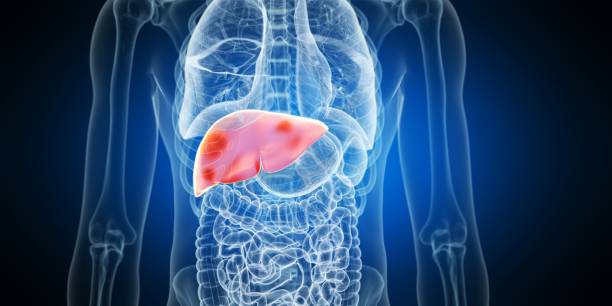
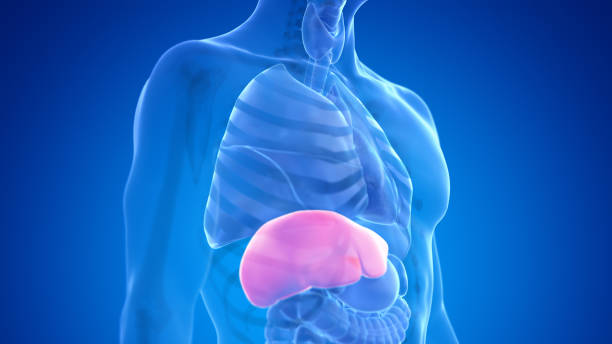
The liver is situated in the upper right side of your abdomen, just below your diaphragm. It’s the largest internal organ in your body and is protected by your ribcage.
3. How Does the Liver Aid in Digestion?
The liver produces bile, a digestive juice that’s stored in the gallbladder. When you eat, the gallbladder releases bile into the small intestine, where it helps break down fats so they can be absorbed and used by the body.


4. What Role Does the Liver Play in Blood Health?
The liver contributes to blood health by producing important proteins that aid in clotting. These proteins prevent excessive bleeding and promote wound healing.
5. How Does the Liver Process Nutrients?
After you eat, the liver helps regulate the levels of glucose (sugar) in your bloodstream. It stores excess glucose as glycogen and releases it when your body needs energy. The liver also processes amino acids, the building blocks of proteins, and converts them into various compounds necessary for bodily functions.
6. Why is the Liver’s Detoxification Function So Important?
In our modern world, we’re exposed to numerous toxins from our environment and the foods we consume. The liver’s detoxification function helps prevent these harmful substances from building up in our bodies, safeguarding our health.
RELATED: 5 Ways You Can Help Your Liver Regenerate
7. Can the Liver Regenerate?
Yes, the liver is known for its remarkable regenerative ability. Even if part of the liver is damaged or removed, it can regrow to its original size within a matter of months. This unique capability has made liver transplants possible.
You May Also Like

8. What Causes Liver Disease?
Liver diseases can be caused by various factors, including excessive alcohol consumption, viral infections (such as hepatitis), fatty liver disease, autoimmune disorders, and genetic conditions. It’s essential to maintain a healthy lifestyle to protect your liver from damage.
Fortunately, the liver is a resilient organ, so when spotted early, nonalcoholic fatty liver disease, hepatitis C, and genetic diseases (such as Wilson’s disease and hemochromatosis), generally have a good outcome. However, if left untreated, the liver can be damaged to a point that is irreversible.
9. How Can I Keep My Liver Healthy?
Maintaining a healthy lifestyle is key to supporting your liver’s well-being. This includes eating a balanced diet, exercising regularly, limiting alcohol intake, avoiding risky behaviors like sharing needles, and getting vaccinated against hepatitis. Regular medical check-ups can also help catch potential liver issues early.
Here are additional recommendations from the American Liver Foundation:
- Choose high-fiber foods, including fresh fruit and vegetables, whole-grain breads, and rice and cereals.
- Skip foods high in saturated fat, sugar, and salt. That includes fried foods.
- Drink lots of water to help prevent dehydration and allow your liver to function optimally.
- Talk with your doctor about alcohol intake.
In conclusion, the liver is an extraordinary organ that performs a wide range of vital functions in the body. Understanding its role and taking steps to care for it can contribute to your overall health and longevity. So, next time you think about health, don’t forget to give a nod of appreciation to your hardworking liver!
10. How does being overweight affect my liver?
Being overweight or obese can significantly impact your liver’s health and function. When excess fat accumulates in and around the liver, it can lead to a condition known as non-alcoholic fatty liver disease (NAFLD). Losing 10 percent of your current weight can significantly benefit your liver.
11. Can alcohol harm my liver?
The liver is responsible for metabolizing alcohol, and excessive drinking can lead to various degrees of liver damage over time.
If you have liver issues, such as liver disease, it is wise to abstain from alcohol. If abstinence isn’t possible, you should limit your alcohol to no more than four to six drinks a week and no more than two in a 24-hour period, which is the amount of time the liver can safely metabolize alcohol, Anurag Maheshwari, MD, a gastroenterologist and liver disease specialist at The Center for Liver and Hepatobiliary Diseases at Mercy Medical Center in Baltimore tells Everyday Health. Drinking more than that will cause damage to your liver.
RELATED: 7 Daily Habits That May Be Damaging Your Liver
12. What symptoms are warning signs that my liver isn’t working?
When your liver isn’t functioning properly, it can lead to a range of symptoms and signs that indicate potential liver issues. However, it’s important to note that liver problems can be silent in the early stages, and some symptoms may overlap with other health conditions.
Here are some common symptoms that may suggest your liver isn’t working correctly:
- Urine that’s the color of iced tea
- Yellowing (jaundice) of your eyes
- Stools that look like clay
- Itching that won’t subside with lotion and keeps you up at night
- Ankle swelling
- Abdominal swelling
- Chronic fatigue
13. Should I get my liver tested?
Getting your liver tested even if you’re feeling healthy is a proactive step toward maintaining your overall well-being. Liver diseases can develop silently without causing noticeable symptoms in the early stages. Regular liver tests can help detect any potential issues early on, allowing for timely intervention and prevention of more serious complications.
14. Should I get tested for hepatitis C?
Getting tested for hepatitis C is a good idea, especially if you have any risk factors for the infection. Hepatitis C is a viral infection that affects the liver and can lead to chronic liver disease if left untreated. Since hepatitis C often progresses without noticeable symptoms in its early stages, getting tested is crucial for early detection and timely intervention.
According to guidelines released by the CDC in 2020, all adults over the age of 18 should undergo a hepatitis C screening at least once in their life, unless risk is less than 0.1 percent. The CDC also recommends a screening for pregnant women unless they, too, have a less than 0.1 percent risk.
You may need more frequent testing if you have the following risk factors:
- Using injection drugs currently or in the past, even if was only once many years ago
- Having human immunodeficiency virus (HIV) infection
- Having certain medical conditions, including people who have received maintenance hemodialysis and those who have persistently abnormal levels of alanine aminotransferase, an enzyme in liver cells
- Receiving a blood transfusion or organ transplant before July 1992
- Receiving blood from a donor who later tested positive for hepatitis C
- Being treated for a blood-clotting problem before 1987
- Being the son or daughter of a mother with hepatitis C
- Working as a healthcare, emergency medical, or public safety employee who’s been exposed to the blood of somebody with hepatitis C (through needlesticks, sharps, or mucosal exposures)
- Having multiple sexual partners
15. What’s my prognosis if I’m diagnosed with liver disease?
The prognosis (outlook) for individuals diagnosed with liver disease can vary widely depending on several factors, including the specific type of liver disease, its stage of progression, the individual’s overall health, the presence of other medical conditions, and how well the disease responds to treatment. It’s important to note that many liver diseases are treatable, and early diagnosis and proper management can significantly improve outcomes.