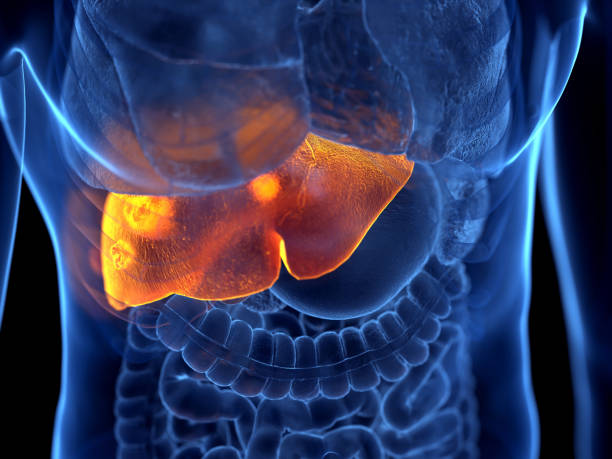


The liver is a tough, resilient organ. We can flood it with toxins and expose it to nasty germs, and it still goes about its jobs of purifying blood, manufacturing bile, and keeping us alive. But even the liver has its limits. If it suffers too much damage over too many years, some of the cells will turn into scar tissue. This is called cirrhosis. If enough scar tissue forms, the liver will begin to shut down and severe complications will set in. Without proper treatment, cirrhosis can be fatal.
Most people associate cirrhosis with heavy drinking, but that’s not the whole story. While alcohol is the leading cause of cirrhosis in the United States, even people who don’t drink can develop the condition. Any scarring of the liver not caused by drinking is referred to by the broad term nonalcoholic cirrhosis.
RELATED: Top Signs You May Be Dealing With Liver Failure
What are the causes of nonalcoholic cirrhosis?
One of the liver’s jobs is clearing germs from the blood. Occasionally, however, the germs get the upper hand. Chronic infection by the hepatitis C virus is the most common cause of nonalcoholic cirrhosis in the United States. In most cases, it takes many years for the infection to lead to scarring. Still, only about 20 percent of people with chronic hepatitis C ever develop cirrhosis.
Chronic infections of hepatitis B can also lead to cirrhosis. Worldwide, this may be the most common cause of cirrhosis, but it is rare in the United States, where children are routinely vaccinated against hepatitis B. The virus that causes hepatitis A never sticks around long enough to cause cirrhosis.
You May Also Like


Nonalcoholic steatohepatitis (NASH), a condition in which the liver contains extra fat and becomes inflamed, is another potential starting point for cirrhosis. The cause of NASH isn’t well-understood, but obesity, diabetes, protein malnutrition, heart disease, and corticosteroid drugs all seem to raise the risk.
Some people can trace cirrhosis to an overactive immune system. For unknown reasons, they produce antibodies that attack liver cells as if they were intruders. The liver becomes damaged and inflamed, a condition known as autoimmune hepatitis.
Other rare causes of cirrhosis include blocked or inflamed bile ducts, severe reactions to medications or supplements such as methotrexate or Vitamin A, frequent bouts of heart failure, and inherited conditions such as cystic fibrosis, alpha-1-antitrypsin deficiency, hemochromatosis, and Wilson’s disease.
In up to 10 percent of all cases, no cause of cirrhosis can be found. Doctors call these cases “cryptogenic cirrhosis.” Increasingly, however, researchers theorize that many of these cases are actually caused by NASH.

What are the symptoms of nonalcoholic cirrhosis?
Whether it comes from a virus or a liquor bottle, cirrhosis is a potentially disabling disease. You probably won’t notice any symptoms at first, but as the damage builds, you’ll feel weak and exhausted. You may also lose your appetite, become nauseated, and lose weight. Some women suddenly stop having periods, and men can develop erectile dysfunction, lose their sex drive, and have enlarged breasts that are painful.
As scarring progresses, your skin and eyes may become yellow (jaundiced). Your skin may also become intensely itchy, a condition called pruritis. Backed-up fluids can cause swelling in the abdomen (ascites), and internal bleeding can make you vomit blood. Because many medications are broken down in the liver, you may become extra-sensitive to your medications and extremely vulnerable to side effects. And if toxins normally removed by the liver begin to accumulate in the brain, you may become forgetful, unresponsive, and unconcerned about personal appearance.
How is nonalcoholic cirrhosis diagnosed?
Your doctor can detect liver damage by measuring the levels of certain enzymes in your blood. If the enzymes are high, an ultrasound or CT scan can often pinpoint the nature of the damage. If there’s still any question, doctors can remove a small sample of tissue (biopsy) through a needle to make a diagnosis and to determine the extent of the damage.
RELATED: What Can I Do to Stay Healthy and Protect My Liver?
How is nonalcoholic cirrhosis treated?
In some cases, doctors can slow down cirrhosis by targeting the source. For instance, chronic infections of hepatitis B and hepatitis C can be controlled with antiviral drugs, and autoimmune hepatitis often responds to drugs that suppress the immune system.
No matter what caused your cirrhosis, protecting your liver should be a top priority for both you and your doctor. First and foremost, you should avoid alcohol. You may also need to reduce the dosage of your medications or stop taking them completely.
Make sure your doctor knows about every drug you take, including nonprescription drugs and even natural remedies and supplements because many herbs can cause liver damage. You can give your liver an extra boost by eating a healthy, nutrient-rich diet.
RELATED: The Essential Guide to Liver Transplants
With proper treatment, many people with cirrhosis can still lead active lives, especially if their condition is caught in the early stages. But not all patients can live with the damage. If severe complications set in, or if the liver shuts down completely, a liver transplant may be your best hope for survival. Once the new liver is in place, you have a good chance for recovery. The five-year survival rate for liver transplant patients is 75 percent. Unfortunately, livers are in short supply and the waiting lists can be long, especially for Black patients, who are often less likely to be placed on waiting lists. Additionally, not every patient is healthy enough to withstand the operation. Ask your doctor if a liver transplant is a good option for you.