• Skip to main content
  • Skip to secondary menu
  • Skip to primary sidebar
  • Skip to footer
BlackDoctor.org
Where Wellness & Culture Connect

Where Wellness & Culture Connect

  • Conditions
  • Wellness
  • Lifestyle
  • Longevity
  • Clinical Trials
  • Resources
    • Generational Health
    • Top Blacks in Healthcare 2025
    • Hall Of Fame
    • Clinical Trials Resource Center
    • Obesity Resource Center
    • Cancer Resource Center
    • Wellness on the Yard
    • Immunocompromised Care
    • BDO Resource Library
  • Find A Doctor
  • BDO TV
Home / Health Conditions / Clinical Trials / Are Community Health Workers Clinical Trials’ Unsung Heroes?

Are Community Health Workers Clinical Trials’ Unsung Heroes?

Are Community Health Workers Clinical Trials' Unsung Heroes?

Asthma is a chronic disease that disproportionately affects young Black children. Black American children are twice as likely to have asthma than white children. They also face higher hospitalization and death rates from the condition than their white counterparts.

Poor indoor air quality, air pollution, a lack of primary care, and possible biological links contribute to this health disparity.

A 2024 study published in JAMA Network investigated whether a community-based intervention involving community health workers (CHWs) could influence asthma control. These findings could improve asthma outcomes and help increase Black participation in clinical trials.

You May Also Like
Psoriatic Arthritis Can Feel Beyond Your Control. Consider a Different Direction. Learn More Here. Psoriatic Arthritis Can Feel Beyond Your Control. Consider a Different Direction. Learn More Here.

Using community health workers (CHWs) to improve asthma management

The study, led by Tyra Bryant-Stephens, MD, looked at whether connecting home, school, healthcare systems and the community through CHWs could improve asthma outcomes for underserved children.

CHWs are members of their communities, working for pay or as volunteers in partnership with local healthcare systems in urban and rural settings. They typically share ethnicity, language, socioeconomic status, and life experiences with the community members they support. This connection and shared understanding are central to the study’s approach.


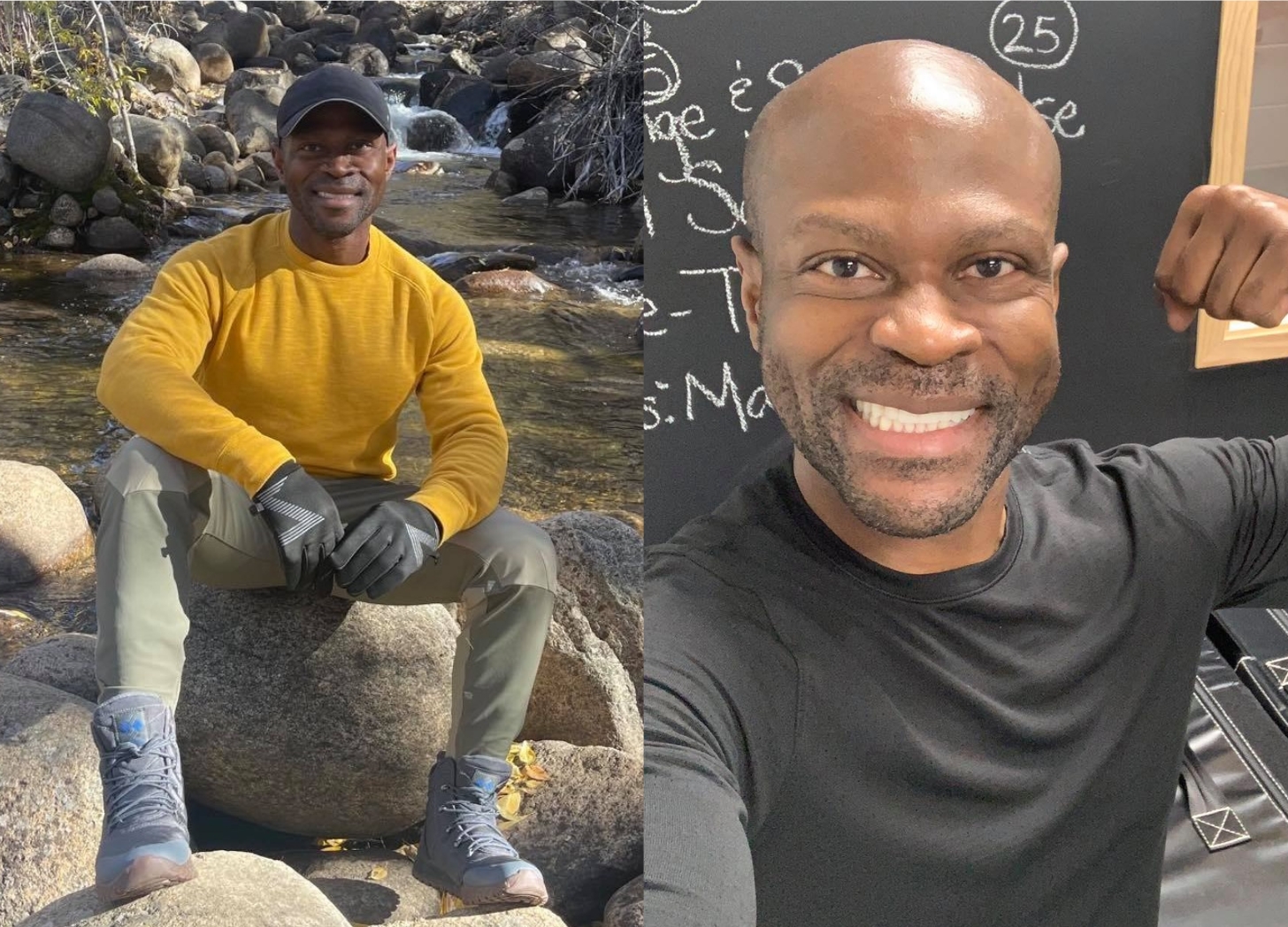
Tyra Bryant-Stephens, MD

“Our program has worked individually with schools to do education classes, but we never connected it around the patients,” Dr. Bryant-Stephens tells BlackDoctor.org. “We were trying to think about a patient-centered model where we’re looking at children and other environments that need to be responsible for their asthma care and how to make sure that communication happens.”

You May Also Like
Get GLP-1s Delivered to You As Low As $99/Month! Get GLP-1s Delivered to You As Low As $99/Month!

To shape the study, Dr. Bryant-Stephens and her team held focus groups with parents, children, school nurses, and primary care doctors on communication gaps in asthma care coordination. “After hearing from the focus groups, it seemed that the best way to connect the dots was through community health workers,” she says. “They’re peers that understand how to navigate the community the families live in.”

The four-year trial involved 626 predominantly Black children from 36 schools in West Philadelphia, Pennsylvania. Participants were assigned to one of six groups: school-only, primary care-only, or a combination of both. CHWs were placed across all settings—home, school, and doctor’s offices—to improve asthma care, address triggers, and coordinate care.

The study showed improved asthma control over 12 months, but the overall changes weren’t significant enough to be considered medically meaningful. However, before the COVID-19 pandemic disrupted the study, children receiving clinic and school-based care had significantly better asthma control than those who didn’t.

What this study tells us about Black participation in clinical trials

The study suggests that involving CHWs in future clinical trials could help increase Black participation by building trust and improving communication with underserved communities. Dr. Bryant-Stephens says that CHWs should play a central role throughout the research process to ensure the perspectives and needs of these communities are addressed. 

“CHWs are trusted, and they know what the fears and concerns of the community are,” she says. “I think CHWs should be part of the planning, designing, and implementing studies because they can point out things that you might not think of because you don’t live in the community.”

What’s next?

Dr. Bryant-Stephens says the next steps are sustaining the program and securing policies around reimbursement for CHWs. “Now that we’ve figured out a way to connect all these environments, how do we get support from a policy level as well as a financial level,” she says. “That’s what we’re trying to work on now.” 

A significant challenge is Medicaid reimbursement. Some states reimburse CHWs through Medicaid, but there’s no national framework.

“CHWs should be considered part of the healthcare team,” Dr. Bryant-Stephens says. “They’re helping folks do better with their healthcare and realizing their expertise can be just as important as mine in any situation.”

By Taneia Surles | Published March 20, 2025

March 20, 2025 by Taneia Surles

The Latest In Clinical Trials

lung cancer clinical trials

What Black Americans Need to Know Clinical Trials for Lung Cancer

Lung cancer, or bronchogenic carcinoma, is the collective name for cancers that start in the lungs— usually in the airways (bronchi or bronchioles) or small air sacs (alveoli). Lung cancer is known for its aggressive nature and high mortality rate.  read more about What Black Americans Need to Know Clinical Trials for Lung Cancer
clinical trial recruitment

How Social Media and AI Are Transforming Clinical Trial Recruitment

Lupus continues to affect racial and ethnic minority groups at disproportionately high rates, yet these same communities remain significantly underrepresented in clinical trials. Recognizing this critical gap, Lupus Therapeutics, through its Lupus Clinical Investigators Network (LuCIN), is leading research on read more about How Social Media and AI Are Transforming Clinical Trial Recruitment
This Clinical Trial Reversed a Rare Cause of Vision Loss

This Clinical Trial Reversed a Rare Cause of Vision Loss

Gene therapy may restore vision to children and adults robbed of their sight by a rare inherited condition called Leber congenital amaurosis, researchers report. The illness is caused by mutations in the GUCY2D gene, which is critical to producing proteins read more about This Clinical Trial Reversed a Rare Cause of Vision Loss
This AI Tool Detects Diabetic Eye Disease Faster in Black Americans

This AI Tool Detects Diabetic Eye Disease Faster in Black Americans

Despite the challenges of living with diabetes, a new AI-driven detection tool can help ease the burden of the disease. Researchers from Johns Hopkins Medicine and the University of Wisconsin-Madison have published a study on the use of autonomous artificial read more about This AI Tool Detects Diabetic Eye Disease Faster in Black Americans
Why I Did a Trial for TNBC: "It Very Likely Saved And Extended My Life"

Why I Did Clinical Trials for TNBC: “It Very Likely Saved And Extended My Life”

My cancer journey began in 2015 during a routine mammogram that revealed a mass in my breast, which turned out to be Triple-Negative Breast Cancer (TNBC), a rare and aggressive form of the disease. In my 50s and coming from read more about Why I Did Clinical Trials for TNBC: “It Very Likely Saved And Extended My Life”
lupus research

How Patients Are Driving Breakthroughs in Lupus Research

The Lupus Research Alliance (LRA), which formed and administers the Lupus Accelerating Breakthroughs Consortium (Lupus ABC)—a public-private partnership with the U.S. Food and Drug Administration (FDA)—is leading efforts to ensure that the voices of people living with lupus are central read more about How Patients Are Driving Breakthroughs in Lupus Research

Primary Sidebar

Subscribe to our newsletter

Icon

Caring for You, Too - Caregiver Workbook

1 file(s) 297 KB
Download

Trending Articles

How to Treat Hidradenitis Suppurativa in Black People

How to Treat Hidradenitis Suppurativa in Black People

5 Early Signs of Bed Bugs You Need To Know

early signs of bed bugs

Why I Did Clinical Trials for TNBC: “It Very Likely Saved And Extended My Life”

Why I Did a Trial for TNBC: "It Very Likely Saved And Extended My Life"

This Clinical Trial Reversed a Rare Cause of Vision Loss

This Clinical Trial Reversed a Rare Cause of Vision Loss

What Black Americans Need to Know Clinical Trials for Lung Cancer

lung cancer clinical trials
Find a Culturally Sensitive Doctor

Footer

Where Wellness & Culture Connect

BDO is the world’s largest and most comprehensive online health resource specifically targeted to African Americans. BDO understands that the uniqueness of Black culture - our heritage and our traditions - plays a role in our health. BDO gives you access to innovative new approaches to the health information you need in everyday language so you can break through the disparities, gain control and live your life to its fullest.

Connect With Us

Resource Centers

  • Top Blacks in Healthcare
  • Clinical Trials
  • Wellness on the Yard
  • Cancer
  • Immunocompromised Care
  • About Us
  • Privacy Policy
  • Cookie Policy
  • Terms of Service
  • Careers
  • Advertise With Us
  • Advertising & Sponsorship Policy
  • Daily Vitamina
  • TBH

Copyright © 2025, Black Doctor, Inc. All rights reserved.