• Skip to main content
  • Skip to secondary menu
  • Skip to primary sidebar
  • Skip to footer
BlackDoctor.org
Where Wellness & Culture Connect

Where Wellness & Culture Connect

  • Conditions
  • Wellness
  • Lifestyle
  • Longevity
  • Clinical Trials
  • Resources
    • Generational Health
    • Top Blacks in Healthcare 2025
    • Hall Of Fame
    • Clinical Trials Resource Center
    • Obesity Resource Center
    • Cancer Resource Center
    • Wellness on the Yard
    • Immunocompromised Care
    • BDO Resource Library
  • Find A Doctor
  • BDO TV
Home / Health Conditions / Hemophilia / Quiz: What Do You Know About Exercise and Hemophilia?

Quiz: What Do You Know About Exercise and Hemophilia?

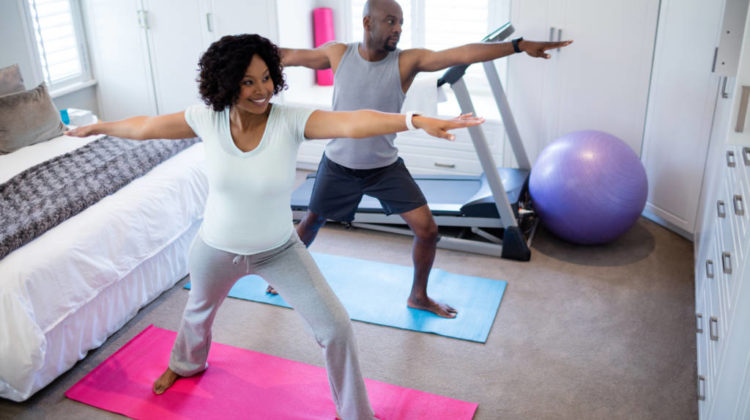
Exercise used to be off-limits to people with hemophilia. As late as the early 1960s, doctors worried that something as gentle as walking or a jog through the park could trigger internal bleeding. Today, people with hemophilia are hitting the gyms and playing just about everything except rough contact sports. They're having fun, staying fit, and enjoying all of the other standard benefits of exercise. And far from putting their bodies at risk, they're actually taking control of their disease. How much do you know about exercise and hemophilia? Take this short quiz to find out.

1. Exercise can prevent internal bleeds and protect joints.

True

False

You May Also Like
Psoriatic Arthritis Can Feel Beyond Your Control. Consider a Different Direction. Learn More Here. Psoriatic Arthritis Can Feel Beyond Your Control. Consider a Different Direction. Learn More Here.

2. If you already have chronic synovitis or another form of joint damage, it's generally too late for exercise to do much good.

True

False

3. Weight lifting is too dangerous for most people with hemophilia.

True

You May Also Like
Get GLP-1s Delivered to You As Low As $99/Month! Get GLP-1s Delivered to You As Low As $99/Month!

False

4. Which of the following can help lower the risk of bleeds during exercise?

a. Thorough conditioning

b. Warming up and stretching

c. Prophylactic factor treatment

d. All of the above

5. According to the National Hemophilia Foundation, which of these sports is generally NOT safe for people with hemophilia?

a. Baseball

b. Wrestling

c. Gymnastics

d. Bicycling

e. All of the above

Your Results

1. Exercise can prevent internal bleeds and protect joints.

The correct answer is: True

The simple truth is that strong, flexible joints are less likely to bleed. A doctor or physical therapist can recommend specific exercises to protect vulnerable joints.

2. If you already have chronic synovitis or other form of joint damage, it's generally too late for exercise to do much good.

The correct answer is: False

As reported in Clinical Orthopaedics and Related Research, carefully structured exercise including weight training and water therapy can generally improve the strength and range of motion of damaged joints. Just as important, such exercises can help prevent further damage.

3. Weight lifting is too dangerous for most people with hemophilia.

The correct answer is: False

As demonstrated in a recent study published in the journal Haemophilia, gentle, low-impact weight training can be extremely helpful for patients with hemophilia. Researchers found that 20 to 25 repetitions using light weights improved both strength and balance with very little stress on joints.

4. Which of the following can help lower the risk of bleeds during exercise?

The correct answer is: d. All of the above

Proper conditioning and warm-ups are important for any active person with hemophilia. Prophylactic (preventive) factor treatments may also be necessary, especially if a person suffers repeated bleeds despite every precaution.

5. According to the National Hemophilia Foundation, which of these sports is generally NOT safe for people with hemophilia?

The correct answer is: b. Wrestling

Doctors don't always agree on which sports are best for patients with hemophilia, but a few things are clear. "Combat" sports -- including wrestling, boxing, karate -- are basically out. Other high-risk sports that are usually discouraged include rugby, football, and rock climbing. At the other end of the spectrum, relatively gentle sports such as golf, swimming, bicycling, and walking are considered extremely safe. Naturally, people with hemophilia will want to take common-sense precautions -- gymnasts should avoid extreme maneuvers that are likely to result in injury, for example, and cyclists with hemophilia should wear shin guards and face masks in addition to a helmet.


By Jessica Daniels, BDO Staff Writer | Published January 28, 2020

The Latest In Hemophilia

hemophilia B

I Was 7 When I Learned to Infuse — Here’s What It Taught Me

When Brianna gave birth to her son Domenic, she never expected to hear the words “hemophilia B.” With no family history of the condition, the diagnosis came as a complete shock. As a young mother, Brianna had to educate herself read more about I Was 7 When I Learned to Infuse — Here’s What It Taught Me
contraceptive

Which Contraceptive Is Right for You? 4 Things to Consider

With so much information online and an overwhelming number of contraceptive options available, choosing the right method can feel daunting. Should you take the pill, get an IUD, try an injection, or opt for an estrogen-free option? These are just read more about Which Contraceptive Is Right for You? 4 Things to Consider

Early Trial Offers New Hope for People With Hemophilia

Researchers may have found a way for people with severe hemophilia to take their standard treatment less often, if the results of an early trial pan out. In what experts called a feat of bioengineering, scientists were able to create read more about Early Trial Offers New Hope for People With Hemophilia
African American child with natural hair outside

Is Surgery Riskier for Black Children?

Black children are more than twice as likely as white kids to die from surgery complications in the United States, a new study suggests. Researchers found that black kids more often had risk factors that raised their odds of dying read more about Is Surgery Riskier for Black Children?

Coping With Winter Nosebleeds

Wintry climates and cold viruses can lead to frequent nosebleeds, says the National Hemophilia Foundation. To prevent nosebleeds during winter, the foundation suggests: Use a humidifier to moisturize the air. Use a nasal saline spray or water-soluble gel for your read more about Coping With Winter Nosebleeds
IMPROVING THE LIVES OF HIV PATIENTS

Gene Therapy May Allow Hemophilia Patients to Go Without Meds

Gene therapy has helped 10 men with a form of the bleeding disorder hemophilia produce a critical blood clotting factor. This could eliminate the need for tedious and costly standard treatments, researchers report. While saying the one-time gene therapy was read more about Gene Therapy May Allow Hemophilia Patients to Go Without Meds

Primary Sidebar

Subscribe to our newsletter

Icon

Caring for You, Too - Caregiver Workbook

1 file(s) 297 KB
Download

Trending Articles

How to Treat Hidradenitis Suppurativa in Black People

How to Treat Hidradenitis Suppurativa in Black People

5 Early Signs of Bed Bugs You Need To Know

early signs of bed bugs

Why I Did Clinical Trials for TNBC: “It Very Likely Saved And Extended My Life”

Why I Did a Trial for TNBC: "It Very Likely Saved And Extended My Life"

This Clinical Trial Reversed a Rare Cause of Vision Loss

This Clinical Trial Reversed a Rare Cause of Vision Loss

What Black Americans Need to Know Clinical Trials for Lung Cancer

lung cancer clinical trials
Find a Culturally Sensitive Doctor

Footer

Where Wellness & Culture Connect

BDO is the world’s largest and most comprehensive online health resource specifically targeted to African Americans. BDO understands that the uniqueness of Black culture - our heritage and our traditions - plays a role in our health. BDO gives you access to innovative new approaches to the health information you need in everyday language so you can break through the disparities, gain control and live your life to its fullest.

Connect With Us

Resource Centers

  • Top Blacks in Healthcare
  • Clinical Trials
  • Wellness on the Yard
  • Cancer
  • Immunocompromised Care
  • About Us
  • Privacy Policy
  • Cookie Policy
  • Terms of Service
  • Careers
  • Advertise With Us
  • Advertising & Sponsorship Policy
  • Daily Vitamina
  • TBH

Copyright © 2025, Black Doctor, Inc. All rights reserved.