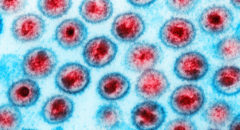
 (BlackDoctor.org) — (BlackDoctor.org) — Coinfection with HIV and the hepatitis C virus (HCV) or hepatitis B virus is a growing public health concern. Because the diseases are spread in similar ways — notably through shared use of needles to inject drugs and sexual activity — many people are coinfected with HIV and HCV, HIV and HBV, or even all three viruses.
An estimated 200,000-300,000 people in the U.S. have both HIV and HCV. Experts believe that about 25% of Americans with HIV also have HCV; conversely some 10% of people with HCV are thought to also have HIV.
Hepatitis is a viral infection that attacks liver cells. There are three main types of hepatitis: A, B and C.
Hepatitis A is a liver infection caused by a virus that does not produce long-term or chronic liver problems. A can help prevent hepatitis A infection, but if you get hep A, it will usually resolve itself within six months. vaccine

Hepatitis B and C can cause cirrhosis, cancer and death. A vaccine to prevent hepatitis B exists, and while hep B cannot be cured, it can be treated. No vaccine exists for ; however, the treatment can cure it. hepatitis C
Hepatitis Risk Factors and Symptoms
In the United States they tend to include the following:
- Hepatitis A: contaminated food and water
- Hepatitis B: sexual contact
- Hepatitis C: contact with infected blood, usually by sharing needles and syringes while injecting drugs
While it’s often difficult to protect oneself from hepatitis A, hepatitis B and C are more preventable:
You May Also Like

- Practice safer sex.
- Don’t use injection drugs, or at the very least, never share needles.
- Enroll in a clean-needle exchange program.
- Don’t share razors or toothbrushes.
- Patronize only those tattoo and body-piercing facilities that practice sterile techniques and use clean products.
- Get vaccinated against hepatitis A and B.
The three types of hepatitis share some symptoms, which may include general fatigue, nausea, yellow skin, vomiting, light-colored stools and dark urine. But many patients with hepatitis have no symptoms at all. It is especially important to know whether or not you have been exposed to hepatitis B or C.
If you have any of the risk factors–and particularly if you do and are pregnant–ask your doctor for a hepatitis C antibody test and hepatitis B antigen and antibody test. There is also a new “rapid test” for hepatitis C that provides results in 20 minutes, similar to the rapid test for HIV.
Hepatitis-and-HIV Co-Infection
Some people contract hepatitis B and C and HIV simultaneously. When one person is infected with two or more viruses, we say that he or she has a co-infection. Common HIV and hepatitis co-infections include HIV and hepatitis C; HIV and hepatitis B; and HIV, hepatitis B and hepatitis C.
In someone who has HIV, hepatitis B and C may cause liver damage and death quicker than they might in someone who does not have HIV. HIV-co-infected patients who begin HAART also risk severe liver damage. In fact, today the medications for HIV are so effective in fighting that virus that liver disease caused by hepatitis B and C has become the most common reason that people living with HIV/AIDS are admitted to the hospital or die.
Treatment and Cure
If you have been exposed to hepatitis B or C or both, your doctor will monitor your hepatitis viral load (the amount of hepatitis virus in your bloodstream). If the hepatitis B or C viral load is low or undetectable, your body has already “cleared” the infection, and treatment is not needed. However, if a liver biopsy shows that a high hepatitis viral load and/or extensive scarring (fibrosis) exists, treatment is warranted to prevent further damage.
Although hepatitis B can’t be cured, treatments–which include some of the same drugs used to treat HIV–can decrease the amount of virus in the bloodstream and reduce the risk of liver failure. But while HIV treatment often consists of three-drug combinations, hep B treatments consist of one or two of these drugs. Importantly, an HIV-and-hepatitis B co-infection should be treated simultaneously because HIV drug resistance may occur if the hep B is treated first without also treating the HIV.
Hepatitis C can be cured with treatment, which consists of using two drugs simultaneously: ribavirin and interferon. The treatment-success rate for people without HIV is about 50-60 percent, depending on the hepatitis C strain; the success rate for HIV-co-infected patients is approximately 20-30 percent.
Unfortunately, many patients cannot tolerate the side effects of the medications for either hepatitis B and C or the required lifestyle changes, which include abstaining from alcohol for life.
Source: Black AIDS Institute