
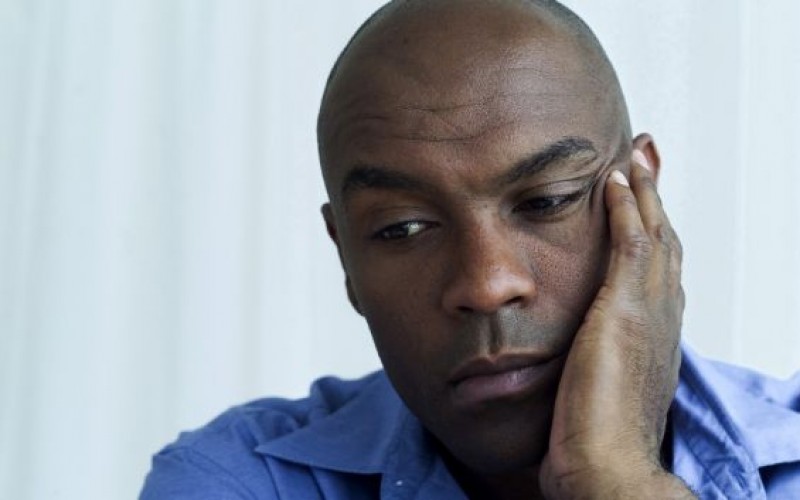
The COVID pandemic has led to increased feelings of anxiety and sadness in everyone, especially in those who have underlying mental health illnesses.
We are worried that we ourselves or a family member will contract the disease. Our social media timelines are flooded with stories of people dying in hospitals alone and it is heartbreaking.
Not to mention the isolation and feelings of loneliness as a result of social distancing. Many of us will certainly have post-traumatic stress after this is all over.
You May Also Like
Kaiser Family Foundation (KFF) did a poll in March which found that women and minorities were more likely to say that their lives have been disrupted a lot or some by the coronavirus outbreak. Overall, 32 percent of individuals felt that worry or stress related to coronavirus has had a negative impact on their mental health.
So, what can we all do to protect our mental health during the coming weeks and perhaps months?
Take a social media break
The World Health Organization (WHO) recommends that you minimize watching, reading, or listening to news about COVID-19 that causes you to feel anxious or stressed.
You May Also Like

Only listen to information from trusted sources and choose one or two specific times during the day to get news updates. Obsessive scrolling on social media is detrimental to your mental health.
Stay connected
Social distancing does not mean that you need to be cut off from the world.
Feelings of isolation and loneliness can trigger a depressive episode especially in people who have underlying depression.
Stay connected with your family and friends via Facetime, Skype, Zoom, and other messaging platforms. Share openly about your feelings and be willing to listen to their concerns as well.
Take care of your body
Now is the time for you to make your health is a priority.
You should be getting adequate amounts of sleep. For an adult, this is at least 7-8 hours each night. Still maintain a healthy diet; try not to binge eat on your sofa.
Stay as active as you can; either indoors or if you choose to exercise outdoors, remember to maintain the six feet social distancing.
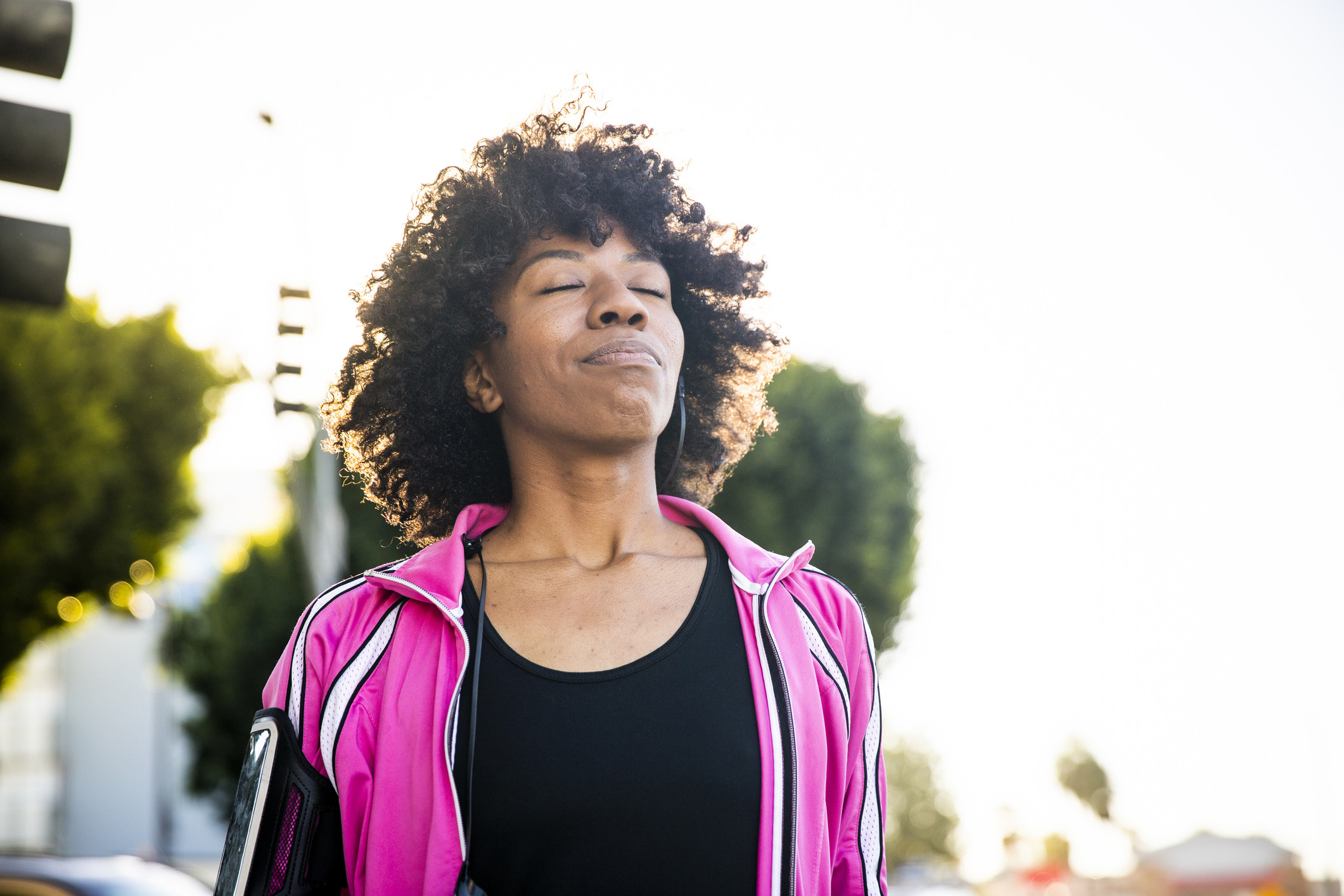
Make time for mental health self-care during the COVID Pandemic
Set aside time for yourself every day to do something that makes you feel good.
Journal, take a long bath, listen to your favorite music or read a book. Take care of your mind as well.
If you are struggling with anxious thoughts, try activities like meditation or yoga. Meditation and deep breathing will decrease your fight and flight response (sympathetic nervous system) to reduce your blood pressure, slow your heart rate and calm you down. You can check out the many meditation apps which are available for free.
Prayer is also a good way to bring peace to your mind and spirit.
Help others
Check-in on your elderly neighbors; volunteer to get their medications or deliver their groceries so they do not have to leave their home.
Be a source of inspiration and encouragement to others. Helping others can help reduce your stress, increases your happiness, and gives you a sense of purpose and satisfaction.
Develop better mental health coping skills during the COVID Pandemic
It’s tempting to try to manage our emotional and mental pain with habits such as binge eating or drinking excessive amounts of alcohol, (no judgment to those of us who have their first glass of wine at 2 PM) but try the healthier coping skills mentioned above.
Ask for help
If your symptoms of depression and anxiety are causing significant distress and preventing you from doing your daily activities or if you just feel overwhelmed and nothing you’ve done seems to have helped it might be time for you to see a therapist. Many therapists are offering virtual visits so you can speak with them about the safety of your home.
This pandemic will not last forever and we will get through this together. Maybe we can come out of this crisis as more resilient individuals.