 (BlackDoctor.org) — Kidney disease affects many in the Black community – and unfortunately, kidney failure puts entire families at risk. It’s important for everyone to educate themselves in order to lead healthier lives.
Dr. Griffin Rodgers, Director of the National Institute of Diabetes and Digestive and Kidney Diseases (NIDDK), has taken the time to provide answers to your questions…
Rich Lazare: What’s a good diet plan for someone with Type 2 Diabetes and bad kidneys?
Dr. Rodgers: There is no one diet plan that will work for everyone with diabetes and kidney disease. It is best to work with your healthcare provider and a registered dietitian to find what works for you. Generally, you need to remember to choose foods that are lower in sodium and lower in protein; and are good for your heart. Depending on blood tests, you may need to limit foods high in phosphorus and potassium. The National Kidney Disease Education Program has several food tip sheets to help someone with kidney disease. Download the full tip sheets at the NKDEP website and take them to your health care provider. To find a registered dietitian in your area, visit eatright.org.
You May Also Like

Sabir Muhammad: I am taking my mother to see her doctor about her kidney disease. Please tell me what questions should I be asking?
Dr. Rodgers: First, thank you for helping your mother take charge of her health. Many people have fears about kidney disease and may delay visiting a healthcare provider. It is important to be sure that her doctor has as much information as possible, especially a list of medicines which your mother is currently taking. The doctor should explain why your mother has kidney disease and let you know the likely cause, how severe it is and how he expects her to progress in the future. You may want to ask: How well are my mother’s kidneys filtering? How much protein is in her urine? What is her blood pressure? What is her blood sugar? What can she do to delay kidney failure? But you also should know you likely are at risk for kidney disease as well. Help your mother, but also be sure to not forget to get checked yourself.
Melanie Barron: My friend’s doctor has advised her that taking blood pressure medicine will help protect her from the deleterious effects of diabetes on her organs. Is there conclusive research that supports this?; Katherine Perkins: Please educate our people on the effects of alcohol & high blood pressure on kidneys; Towanna Sebrell: My sister has high blood pressure. I heard that can lead to other problems. Would high blood pressure lead to kidney problems?
You May Also Like

Dr. Rodgers: You all asked about high blood pressure. Great questions! High blood pressure and kidney disease are closely related. High blood pressure is the 2nd leading cause of kidney disease. Diabetes is the most common cause. Regardless of the cause of kidney disease, high blood pressure is associated with more rapid progression of the condition. While controlling blood pressure is very important, there are specific kinds of blood pressure lowering drugs which provide additional benefits, especially in diabetic kidney disease. These medicines called ACE inhibitors and ARBs – not only can they lower blood pressure for people with diabetes, but they also can protect the kidneys as well.
Deborah M. Ferdinand: How do the hypertension meds plus diabetes further affect the kidneys??; Melanie Barron: My friend’s doctor has advised her that taking blood pressure medicine will help protect her from the deleterious effects of diabetes on her organs. Is there conclusive research that supports this?
Dr. Rodgers: Both of you specifically asked about blood pressure medication. We know that taking blood pressure medication—even if you don’t have high blood pressure, actually can protect kidney function. Two types of blood pressure medicines—ACE inhibitors and ARBs—may slow kidney disease and delay kidney failure, even in people who don’t have high blood pressure.
Brandon Lee: Should someone be worried about kidney health if they have a history of diabetes in their family?
Dr. Rodgers: Yes, if someone’s family has a history of diabetes, then they are at an increased risk of developing kidney disease. Early identification of kidney disease is key. 20+ million people in the US have chronic kidney disease, and the leading cause of kidney disease/kidney failure is diabetes.
Lena Brown: What are the signs and symptoms when you are in the beginning stages of kidney failure. What causes kidney failure? How do I prevent kidney failure?
Dr. Rodgers: You asked a lot of great questions. Most people with kidney disease have no symptoms until their kidney damage is quite advanced. It is important to get screened with blood and urine tests. Kidney disease can get worse over time, and may lead to kidney failure.
Kidney failure is a condition in which the kidneys stop working. This causes a buildup of harmful wastes and extra water in your body. When the kidneys fail, your hands or feet may swell, you may feel tired and weak, and your blood pressure may rise. If left untreated, kidney failure may lead to seizures or coma and will ultimately result in death. Chronic kidney disease usually will not get better and is likely to get worse. Treatment helps slow kidney disease and keep the kidneys healthier longer. Treatment includes keeping blood pressure below 130/80 mmHg, diet counseling to reduce salt and excessive protein, and controlling blood sugar if you have diabetes.
Alvia Clark: As a doctor, would you ever give the okay for dialysis to be done at home?
Dr. Rodgers: Dialysis is a treatment for kidney failure that replaces the work your kidneys do by filtering waste and water from your blood. Dialysis can help you feel better and live longer. It does not cure kidney failure.
There are two forms of dialysis. In hemodialysis, blood is run through an external filter and the clean blood is returned to the body. Hemodialysis is usually done at a dialysis center three times a week, but it can also be done at home.
Peritoneal dialysis uses the lining of your abdominal cavity (the space in your body that holds organs like the stomach, intestines, and liver) to filter your blood.
Both hemodialysis and peritoneal dialysis can be done at home, while you are awake or while you sleep. However, not all treatments are right for all people. Be sure to talk to your provider to figure out the best kidney failure treatment plan for you. The right choice depends on your medical condition, lifestyle and personal preferences. The good news is that for many people with kidney disease, following proper diabetes and blood pressure management plans may lead to them never needing dialysis or, at least, not for a long time.
Jeffrey Browne: Is it true that if you go on dialysis from diabetes complications, your diabetes will go away because the blood is changed as a result of the dialysis process?
Dr. Rodgers: Dialysis is not a cure for either kidney disease or diabetes. Poorly managed diabetes may lead to the kidney failure, but dialysis can only help you feel better and live longer. While diet may change and improve blood sugar control, dialysis is only a treatment, not a cure.
Nichelle Fitzgerald: I have glomerulonephritis, is it safe for me to get the flu shot?
Dr. Rodgers: The flu vaccine is not a “live vaccine” and not only is safe but is indicated in people with chronic illnesses like kidney disease.
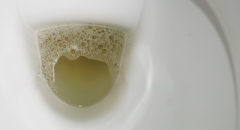
Patricia Holland Benton Falls: WHAT is happening when you have foam in your urine?
Dr. Rodgers: This may be due to excessive protein in the urine.
Take charge of your health. Share kidney health information with your families. Learn more about kidney health. And if you are at risk, have high blood pressure and/or diabetes, or a family history of kidney failure, get your kidneys checked.