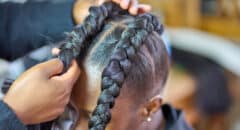
For those of us with natural hair, finding quick, easy, and protective styles is a beloved winter ritual. These styles are essential for shielding our strands from the harsh, biting cold that winter brings. Yet, despite our best efforts, many naturals still find themselves grappling with a persistent lack of moisture. This leads to a critical question: What common mistakes are we making? Specifically, why does our hair feel even drier and more brittle after we finally take down those protective styles?
The key to a successful winter hair routine lies in understanding that cold air naturally strips moisture, and our protective styles, while helpful, can sometimes hide or exacerbate underlying dryness if the wrong techniques are used.
To combat this seasonal challenge and keep your beautiful, natural hair in tip-top condition throughout the cold months, here are six essential and easy-to-implement strategies:
You May Also Like

1. Maintain a Consistent Wash and Styling Schedule (Every Two Weeks)
This is a tough recommendation for many, especially those with 4C hair who prioritize length retention and minimizing shrinkage. However, hear us out—your hair craves water. There is simply no getting around the fact that water is the ultimate moisturizer for natural curls.
-
The Power of Water: Yes, washing leads to shrinkage and a temporary “messing up” of your defined style, but this is a good sign! It means your hair is healthy, elastic, and absorbing the moisture it desperately needs.
-
A Valuable Perspective: Consider this: the day your hair stops reverting or shrinking after being straightened (e.g., a blowout or press) is the day you have a much bigger, potentially irreversible problem (heat damage).
You May Also Like
-
The Two-Week Break: Commit to washing and restyling your hair every two weeks. This schedule gives your hair a necessary break from any high-manipulation or tight styles, and it is a non-negotiable step in ensuring long-lasting, deep-seated moisture retention.

RELATED: Healthy Scalp In The Winter
2. Opt for Co-Washing: Conditioners Only
It’s time to break up with shampoo—at least for the bulk of the winter. Traditional shampoos often contain harsh detergents (sulfates) that are designed to strip oil and buildup, but in the process, they also strip away the vital natural oils and moisture our hair needs to survive the cold.
-
The Effectiveness of Conditioners: A conditioner (or “co-wash”) might not produce the satisfying suds of a shampoo, but it is more than capable of cleansing your hair and scalp while simultaneously ensuring that moisture remains locked in—not washed down the drain.
-
Double the Moisture: After cleansing with your moisturizing conditioner, immediately follow up with a deep conditioning treatment. This two-step conditioning action provides an intense surge of hydration, giving your hair the best chance to stay moisturized until the next wash day.
-
When to Shampoo: Reserve the use of a clarifying shampoo for the second month of winter or only when you have significant, heavy buildup from styling products.

3. Keep a Hydrating Spritz Bottle Accessible
While your hair loves water, once the moisture fully evaporates, it can become dry, dry, DRY—especially in low winter humidity. To allow the deep moisture you apply on wash day to last longer, you need a daily refresh.
-
Create Your Custom Mist: Keep a small spray bottle containing a mix of water and natural, lightweight oils. Simply pour a few drops of almond oil or jojoba oil into half a bottle of water.
-
Daily Application: Spritz this hydrating mist lightly onto your hair throughout the day, focusing on the ends. This simple, daily reintroduction of moisture prevents the dryness from setting in without completely soaking your hair.
4. Embrace the Power of Pure Shea Butter
When it comes to sealing in moisture, pure shea butter is an absolute winter must-have and will quickly become your hair’s best friend. This natural product is particularly beneficial for high-porosity hair types, such as 4C hair.
-
The Sealing Technique: Once you have introduced water (from your spray bottle or wash day) to your curls, gently rub a small amount of pure shea butter over the strands. The combination of water (the moisturizer) and shea butter (the sealant) creates an instant barrier, effectively locking the moisture deep into the hair shaft.
-
Ensure Purity: Always seek out pure, unrefined shea butter for maximum benefit.

5. Choose Loose, Tensionless Styles for Edge and End Protection
In the quest for long-lasting protective styles, many women inadvertently choose hairstyles that are too tight, placing undue stress on the most fragile parts of their hair: the edges and the ends.
-
Minimize Tension: Make a conscious effort to utilize looser, tensionless styles. For example, opt for Havana twists instead of super-tight individual braids, or choose a twist-out or braid-out instead of severely pulled-back puffs or ponytails.
-
Protect the Vulnerable Areas: These loose styles help to protect your delicate ends from rubbing against clothing (which causes friction and breakage) and safeguard your sensitive edges from being pulled out due to constant tension.
RELATED: 3 Ways To Winter-Proof Black Hair
6. Invest in a Genuine Silk Bonnet or Scarf
This is a critical distinction that thousands of naturals overlook: silk and satin are not the same. The fabric you sleep on is just as important as the products you put in your hair.
-
The Satin Deception: Most affordable “satin” items found in beauty supply stores are simply glossed-over fabrics made from synthetic materials like polyester or nylon. While they feel smooth, these synthetic materials are often chemically treated and can still cause friction, leading to breakage, pulled-out edges, and snags on your delicate ends. A $3.99 “satin” item is highly unlikely to be made from silk.
-
The Silk Standard: Real silk is a natural protein fiber that provides a truly smooth, low-friction surface. It allows your hair to glide without snagging and, crucially, it helps retain your hair’s natural moisture overnight.
-
Where to Buy: Invest a little more money by visiting a local fabric store or looking for reliable deals online (e.g., Amazon) for a genuine silk scarf or bonnet. This simple nighttime swap is a foundational step in preventing winter-related damage and dryness.

Tia Muhammad, BS, is an award-winning freelance content & media creative, copywriter, blogger, digital designer, and marketing consultant. She owns the boutique content and digital media company, jackieGLDN|studio.