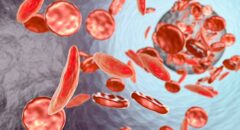
Sickle cell disease (SCD) is a series of genetic blood abnormalities. Due to hemoglobin damage, your red blood cells (RBCs) lose their adaptable donut shape and adopt a "C" shape. These cells become sticky and hard and have a shorter lifespan than ordinary RBCs.
People with SCD experience a continual shortage of RBCs as a result. The leftover cells can readily block blood flow or easily get caught in blood arteries.
Your body's RBCs transport substances like iron, protein, oxygen, and carbon dioxide. Anemia, weakness, and weariness can all result from an RBC deficiency. SCD patients frequently have anemia and other blood flow problems because of their sickle-shaped RBCs. The most typical course of treatment for these problems is still blood transfusions.
You May Also Like

You can obtain blood that matches your blood type through a blood transfusion. If you have SCD and are anemic, a transfusion can aid you by increasing your body's RBC supply. This enables your body to carry nutrients and essential gases.
The advantages, hazards, and process of blood transfusions in SCD patients will all be covered in this article.
RELATED: 8 Ways To Live Your Best Life With Sickle Cell
You May Also Like

What Advantages Can Blood Transfusions Have for Those Who Have Sickle Cell Disease?
Your RBCs can be replaced via a transfusion, allowing more oxygen to go to your organs and tissues. The sickle-shaped, sticky cells can be diluted by adding extra blood with healthy RBCs via a transfusion. This prevents them from accumulating and obstructing blood flow in your blood vessels.
Your body might not get the oxygen it needs without a transfusion, which could lead to hypoxemia and other issues.
You may benefit from a blood transfusion if you experience a sudden or acute SCD complication, such as:
- Anemia
- Sudden chest pain
- Abrupt splenic enlargement
Blood transfusions can help maintain your RBC count because SCD is a chronic illness and can lead to problems like severe anemia, hypoxemia, and stroke because of disturbed blood flow.
Transfusions can help SCD patients avoid the complications that come with surgery. The American Society of Hematology advises blood transfusions for SCD patients who will be sedated for a period of time beyond 1 hour.
What Are the Dangers of Receiving Blood Transfusions if You Have Sickle Cell Disease?
Whether you have SCD or not, there are dangers associated with blood transfusions for everyone. Although you might be concerned about getting a bloodborne illness from your blood donor, this is extremely unlikely.
Blood donations are thoroughly screened. A blood transfusion has a one in two million chance of transmitting HIV and a one in fifty chance of transmitting a form of hepatitis.
Not an infectious condition, but rather your body's response to the donated blood poses the greater risk for most people. This can appear in various ways:
- An allergic response: These reactions can happen even if you receive the same type of blood.
- Acute immune hemolytic reaction: This is a reaction where your body is shocked by the introduction of donated blood and rejects the transfusion. It can happen that your body will still mount an immune response to donated blood, resulting in an allergic reaction that will require your medical team to stop the transfusion and treat your reaction with antihistamines or other medications. Rare but significant transfusion reactions typically occur when the blood you're receiving isn't a perfect match for your blood type. Discuss your risk with a doctor, especially if it has already happened to you.
- Fever: One of the more frequent adverse effects of a transfusion is a fever, which can happen as your body responds to receiving white blood cells. Your immune system identifies these cells as foreign, which prompts an immunological reaction and a fever. Fever might occasionally cause your transfusion to be disrupted.
Although everyone faces these dangers, those with SCD are more vulnerable because of how many transfusions they may need throughout their lifespan.
When your body produces antibodies in reaction to donor blood cells, it is said to have undergone alloimmunization. A third of those with SCD experience it. Alloimmunization can result in a delayed hemolytic transfusion reaction that could be lethal.
RELATED: What Every Sickle Cell Warrior Must Know About Their Patient Journey
What Steps Are Included in a Blood Transfusion for a Sickle Cell Patient?
Knowing your blood type and discussing your transfusion history with a medical team are prerequisites if you require a blood transfusion to treat SCD or its consequences. They need to know if you've ever had any adverse reactions and how many blood transfusions you've had.
This knowledge can assist a doctor in taking preventative measures against issues like iron overload.
The first stage is a type and screen blood test, which identifies your blood type and compares it to donors' blood types. A doctor may request a ferritin blood test before your transfusion to monitor your iron levels if you've received more than ten transfusions in your lifetime.
Here is what to anticipate as the transfusion begins:
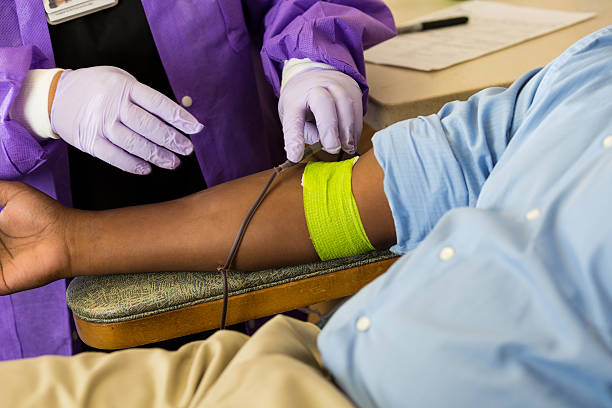
- The medical team will use an intravenous (IV) catheter or another device to enter your blood vessels. For a straightforward blood transfusion, a sizable peripheral IV line put into your arm is typically sufficient. A deeper or more long-lasting access line may be necessary for repeated or frequent transfusions.
- A nurse or doctor will review your medical history, lab results, allergies, and the rationale for the transfusion.
- Before the transfusion starts, your blood will be compared to the donor's blood and cross-checked against it.
- Vital signs, such as your heart rate, blood pressure, temperature, and other readings, will be gathered by your medical team.
- The transfusion's volume and rate will be determined by a physician. Simple transfusions might take anything from one to four hours.
- Throughout the blood transfusion, you'll be constantly watched by a team. Your vital signs will be checked once more as they check for transfusion responses.
- The medical staff will keep an eye on you for a while after the blood transfusion is finished. They would probably take your IV line out if you underwent outpatient surgery to receive blood. After your transfusion, the IV site could be painful for a couple of days.