Symptoms vary. We must guard our hearts properly. The heart provides oxygen to the brain, warmth to the hands, and life. However, heart disease—including heart attack and heart failure—is the leading cause of mortality in the US.
Heart Attack Symptoms Vs Heart Failure Symptoms
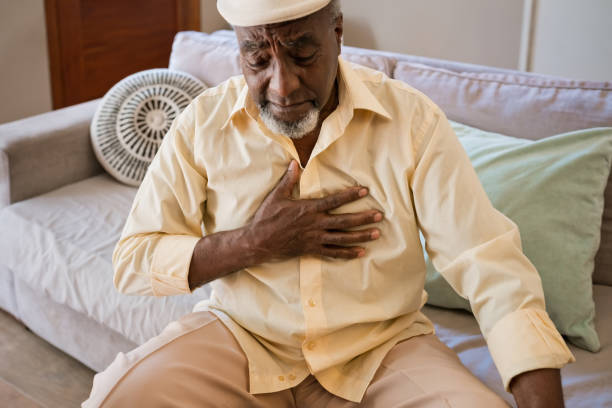
Most heart attack symptoms vary from heart failure symptoms. You presumably see a heart attack victim holding their chest before collapsing. According to the NHLBI, heart attack symptoms might be mild, but chest pain—especially pressure, tightness, hurting, or a squeezing feeling that extends down the left arm or jaw—is a typical indicator. Dr. Stempien-Otero believes women are more likely to develop nausea, dyspepsia, cold sweats, and severe, inexplicable exhaustion. Shortness of breath and abrupt dizziness are other warning signs.
Dr. Stempien-Otero believes shortness of breath, particularly during movement, is the most prevalent heart failure sign. Getting up from the sofa, going up the stairs, and doing other daily activities shouldn’t leave you breathless or weary. When the heart stops beating adequately, fluid gathers around the lungs, causing breathlessness and leg, ankle, and foot edema.
You May Also Like
According to the Mayo Clinic, other heart failure symptoms include a chronic cough, abdominal swelling, fast, unexplained weight gain from fluid buildup, nausea, loss of appetite, difficulties focusing, and a rapid or irregular pulse.
RELATED: Cardiac Arrest vs. Heart Attack: What’s the Difference?

You May Also Like

What Are The Causes Of A Heart Attack Vs. Heart Failure?
Jeffrey Teuteberg, MD, division head of heart failure, cardiac transplantation, and mechanical circulatory support at Stanford Medicine, tells SELF that many variables increase the chance of heart attack and heart failure. High blood pressure, cholesterol, sugar, and body size are metabolic variables. Both disorders are connected to heart-damaging drugs like cigarettes. Genetics and family history may affect either.
- Heart attack risk factors include:
- Age (45 years or older)
- Inactivity
- High-sodium or trans-fat diets
- Tobacco or alcohol abuse
- diabetes
- Cholesterol or hypertension
- Heart attacks in family
- Overstress
- autoimmunity
- Preeclampsia (a high blood pressure disorder during pregnancy)
Heart attacks increase heart failure risk. Dr. Teuteberg believes cardiac attacks damage the heart, making it pump less effectively. “Much greater risk for getting the forms of heart failure that cause the heart muscle not to squeeze as well,” he says of heart attack survivors.
Other frequent heart failure risk factors include:
- CHD
- Cholesterol or hypertension
- Valve damage
- Heart damage
- Heart inflammation
- Birth defects, Abnormal heart rhythms
- Lung thrombus
- Tobacco or alcohol abuse
- Serious viral infections
- Severe allergies
- Snoring
- Diabetes
These risk factors impact people differently. According to the Cleveland Clinic, Black women are twice as likely to suffer from persistent high blood pressure during pregnancy. Hispanic, Black, Asian, and Indigenous Americans have higher diabetes rates than white Americans. These gaps are complicated, but socioeconomic determinants of health—exposure to racial discrimination and violence, financial stability, excellent education, empathic health care, supportive living situations, and healthy food—play a role. These risk factors may increase heart attack, heart failure, or both.

How Is A Heart Attack Treated Vs. Heart Failure?
All of the symptoms above might indicate additional health conditions. When should you visit a doctor? Dr. Stempien-Otero advises going to the ER for acute chest discomfort, shortness of breath, or a high heart rate.
Heart attacks are usually emergencies. Heart failure progresses slowly. However, Dr. Stempien-Otero explains that people with early heart failure symptoms typically slow down without recognizing it, requiring rapid treatment.
Heart attacks need the clearing of the clogged artery. An angioplasty employs a catheter to implant a tiny, deflated balloon in the blockage and inflate it to expand the blood artery and return blood to the heart. The US National Library of Medicine says stents may keep blood vessels open. This technique reduces cardiac damage if done quickly. Dr. Teuteberg explains, “If you’re not near a location that can conduct [an angioplasty], sometimes they’ll give you a powerful blood thinner by IV in the hopes that it breaks up that blood clot to restore blood flow.” Depending on the clot, this may be your sole treatment or a stopgap until you can go to an angioplasty clinic.
ACE drugs, beta-blockers, and diuretics help treat heart failure. Dr. Stempien-Otero thinks they work well in early heart failure. “I’ve treated individuals with heart failure drugs for 20 years, and they’re doing great.” The Mayo Clinic suggests surgery to enhance blood flow, restore heart valves, or treat heart failure problems in severe situations.

How To Keep Your Heart Healthy
You may take various steps to reduce your risk of heart attack and heart failure.
Choose an exercise: Dr. Stempien-Otero urges exercising. Exercise is excellent even if you’ve had a heart attack or heart failure. She claims exercise benefits even severe heart failure. According to SELF, 150 minutes of moderate-intensity exercise each week—ideally with at least two days of strength training—can enhance heart health. Moderate-intensity exercise includes SELF’s at-home aerobic routines, walking, swimming, cycling, and tennis.
Eat healthily: Dr. Stempien-Otero believes a heart-healthy diet doesn’t require cutting major food categories. As SELF notes, eating colorful fruits and vegetables, fiber-rich grains, and limiting salt, added sugar, and alcohol may help.
Checkups: Now’s the time if you haven’t scheduled your annual checkups. Work with your doctor to lower elevated markers, which may need multiple visits or at-home testing. Dr. Teuteberg explains, “The more you treat them effectively, the less likely you’ll have a heart attack or heart failure.”