• Skip to main content
  • Skip to secondary menu
  • Skip to primary sidebar
  • Skip to footer
BlackDoctor.org
Where Wellness & Culture Connect

Where Wellness & Culture Connect

  • Conditions
  • Wellness
  • Lifestyle
  • Longevity
  • Clinical Trials
  • Resources
    • Generational Health
    • Top Blacks in Healthcare 2025
    • Hall Of Fame
    • Clinical Trials Resource Center
    • Obesity Resource Center
    • Cancer Resource Center
    • Wellness on the Yard
    • Immunocompromised Care
    • BDO Resource Library
  • Find A Doctor
  • BDO TV
Home / Health Conditions / Diabetic Macular Edema / Diabetic Retinopathy vs. Diabetic Macular Edema: What’s the Difference?

Diabetic Retinopathy vs. Diabetic Macular Edema: What’s the Difference?

diabetic macular edema vs diabetic retinopathy

Diabetic eye disease refers to a group of eye problems that can impact people living with diabetes. Among these eye problems are diabetic retinopathy and diabetic macular edema. Although the two are related, there are some major differences. Here's what you need to know.

Diabetic retinopathy vs. diabetic macular edema

The macula is part of the retina, however, diabetic macular edema is not a type of retinopathy. “Retinopathy” is the medical term that refers to diseases of the retina, such as diabetic retinopathy, MedicalTodayNews notes. Swelling of the macula, on the other hand, is a complication of diabetic retinopathy.

So what exactly is diabetic retinopathy?

You May Also Like

Psoriatic Arthritis Can Feel Beyond Your Control. Consider a Different Direction. Learn More Here. Psoriatic Arthritis Can Feel Beyond Your Control. Consider a Different Direction. Learn More Here.

Diabetic retinopathy is a potential complication of diabetes and high blood sugar damaging the retina that can lead to vision loss. As diabetic retinopathy progresses, it can cause further damage to your retina.

Some people don't notice symptoms in the early stages of diabetic retinopathy, while others experience changes in their vision, including trouble reading or seeing faraway objects.

The most advanced stage of diabetic retinopathy is known as proliferative DR (PDR). During this stage, the retina receives little oxygen, which leads to the development of new, fragile blood vessels, according to MedicalNewsToday. When this happens the new vessels can leak and form scar tissue, resulting in complications such as problems with the macula (the retina responsible for central vision, color vision and fine detail).

You May Also Like
Get GLP-1s Delivered to You As Low As $99/Month! Get GLP-1s Delivered to You As Low As $99/Month!

Although complications are more likely to occur as diabetic retinopathy progresses, they can occur at any stage of diabetic retinopathy.

Diabetic retinopathy can also cause scar tissue and leaking fluid, which makes the macula swell and leads to blurry vision--a common cause of sight loss in people with diabetes.

RELATED: Have Diabetes? Don’t Lose Sight of Danger to Your Eyes

Can you have one without the other?

If you've experienced injury, infection, or inherited retinal conditions, you may experience swelling of the macula. However, diabetic macula edema is a direct complication of diabetic retinopathy. While it is possible to have diabetic retinopathy without diabetic macular edema, you cannot develop diabetic macular edema without diabetic retinopathy.

How can you protect yourself?

No surprise here, but the best way to prevent diabetic retinopathy and diabetic macular edema is to manage your diabetes. You should keep your blood sugar levels within a suitable range, monitor the foods you are eating, exercise regularly, keep your A1C levels within the recommended age and follow the guidelines for insulin or other diabetes medications you are currently taking.

If you need additional help, your diabetes care team can help you manage the condition. Your care team may suggest a hemoglobin A1C test, which can help you monitor your blood sugar levels.

Blood pressure and cholesterol also impact those living with diabetes so it will be important to manage these as well.

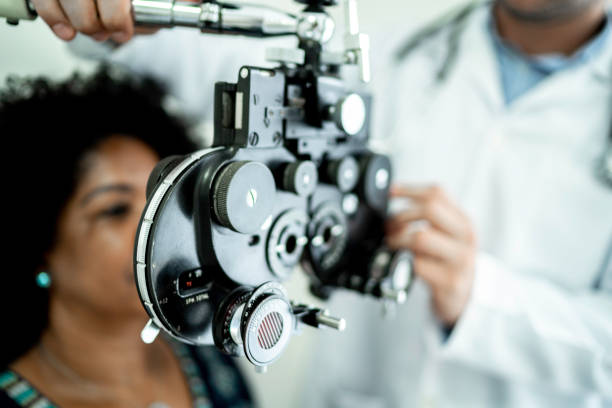
Everyone should get yearly eye exams, but for those living with diabetes, yearly checkups are even more important. An eye doctor can check your eye health and identify any conditions, such as diabetic retinopathy in its early stages when it is easier to treat. Eye doctors can also monitor any existing eye problems you may have.

When to see a doctor

If you notice any changes to your vision, such as blurriness, contact your doctor for an eye exam. If you are already living with diabetic retinopathy and notice your symptoms are worsening, contact your doctor immediately. He or she can determine if you may have developed diabetic macular edema and prevent any other complications from forming.


By Cara Jones, BDO Staff Writer | Published June 29, 2023

The Latest In Diabetic Macular Edema

diabetic macular edema

Diabetic Macular Edema: What Are Your Treatment Options?

If you are living with diabetes, there are a lot of things you need to be aware of and monitor closely to avoid complications. This includes your eyes, which are at risk of an eye disease called diabetic macular edema read more about Diabetic Macular Edema: What Are Your Treatment Options?
diabetic macular edema, DME, lamivudine, HIV drug, vision improvement, diabetic eye disease, oral treatment for DME, eye injections alternative, diabetes blindness, retinal swelling, inflammasomes, clinical trials, low-cost medication, K9 drug, Black participation in clinical trials, health equity, diverse clinical trials, medical research diversity, diabetes disparities, African American health

This Clinical Trial Tested an Oral Drug for Diabetic Eye Disease

A new, small-scale clinical trial is giving hope for people living with diabetes who face the threat of blindness due to a complication called diabetic macular edema (DME). An affordable HIV medication, lamivudine, has significantly improved vision in patients suffering read more about This Clinical Trial Tested an Oral Drug for Diabetic Eye Disease
vision

Seeing Clearly: 5 Ways to Improve Blurry Vision

Black Americans are at higher risk for eye diseases like diabetic macular edema, diabetic retinopathy and glaucoma, which can lead to vision loss and blindness unless detected early. To help increase eye health awareness and promote early detection of eye read more about Seeing Clearly: 5 Ways to Improve Blurry Vision
signs of diabetic macular edema

7 Signs Of DME And What To Do About It

If you’re a Black person living with diabetes, then you need to know everything you can about diabetic macular edema (DME). That’s because this condition has been shown to disproportionately affect Black Americans. Studies show that Black people are at read more about 7 Signs Of DME And What To Do About It
DME

‘I Can See Again’: How I Found Courage to Fight Diabetes and DME

Managing Type 2 diabetes is a vital step in maintaining overall health, as the condition can lead to serious complications affecting various organs and systems in the body. One such complication is diabetic macular edema (DME), a vision-threatening condition caused read more about ‘I Can See Again’: How I Found Courage to Fight Diabetes and DME
Have Diabetic Macular Edema? This Clinical Trial Could Be For You

Have Diabetic Macular Edema? This Clinical Trial Could Be For You

Did you know that diabetes can affect your vision? Diabetic macular edema (DME) is a complication of diabetes that causes swelling in the macula, the part of your eye responsible for sharp central vision. This swelling can lead to blurry read more about Have Diabetic Macular Edema? This Clinical Trial Could Be For You

Primary Sidebar

Subscribe to our newsletter

Icon

Caring for You, Too - Caregiver Workbook

1 file(s) 297 KB
Download

Trending Articles

10 Foods Your Liver Wishes You Would Would Stop Eating

healthy liver

The 7 Most Dangerous Leftovers to Reheat Are…

leftovers

Weight Loss Challenge: Lose 10 Pounds In 2 Weeks!

lose 10 pounds in 2 weeks

Secrets For A Non-Damaging Silk Press

silk press

Stage 4 Lung Cancer: Why I Said Yes to a Clinical Trial

Stage 4 Lung Cancer: Why I Said Yes to a Clinical Trial
Find a Culturally Sensitive Doctor

Footer

Where Wellness & Culture Connect

BDO is the world’s largest and most comprehensive online health resource specifically targeted to African Americans. BDO understands that the uniqueness of Black culture - our heritage and our traditions - plays a role in our health. BDO gives you access to innovative new approaches to the health information you need in everyday language so you can break through the disparities, gain control and live your life to its fullest.

Connect With Us

Resource Centers

  • Top Blacks in Healthcare
  • Clinical Trials
  • Wellness on the Yard
  • Cancer
  • Immunocompromised Care
  • About Us
  • Privacy Policy
  • Cookie Policy
  • Terms of Service
  • Careers
  • Advertise With Us
  • Advertising & Sponsorship Policy
  • Daily Vitamina
  • TBH

Copyright © 2025, Black Doctor, Inc. All rights reserved.