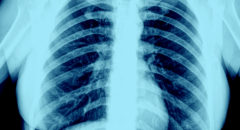
Quitting smoking is a powerful and life-affirming decision—one that lowers the risk of many serious diseases and can add years to your life. But for former smokers, the story doesn’t end there. While quitting smoking dramatically improves your health, it doesn’t completely eliminate the risk of lung cancer. Many former smokers remain at elevated risk for years—even decades—after their last cigarette.
The good news? Lung cancer is no longer the silent killer it once was. With the development of advanced screening tools, particularly the low-dose CT (LDCT) scan, lung cancer can now be detected early—often before symptoms appear—when it is far more treatable and potentially curable.
If you’re a former smoker, this could be the wake-up call you didn’t know you needed. Early detection saves lives. Learn more below about lung cancer risk factors, prevention strategies, and how to take control of your lung health today.
You May Also Like

Why Former Smokers Are Still at Risk
When you quit smoking, your body begins to heal almost immediately. Within weeks, circulation improves. Within months, lung function begins to recover. And over the years, the risk of heart disease and stroke continues to drop.
But lung cancer risk declines much more slowly. Depending on how long and how heavily you smoked, the risk of developing lung cancer can remain elevated for 10, 15, or even 30 years after quitting. This is due to the lasting damage tobacco smoke can cause to your lung tissue, even long after the exposure ends.
It’s important to understand: Quitting greatly reduces your risk, but it doesn’t erase it completely. That’s why awareness and screening are so important for former smokers.
You May Also Like

Understanding the Risk Factors
Lung cancer doesn’t develop in a vacuum. It’s influenced by a combination of lifestyle, environmental, and genetic factors. Even if you’ve never smoked, you could still be at risk. Here’s a breakdown of the most common causes:
1. Tobacco Use
Smoking cigarettes is the single biggest risk factor for lung cancer, responsible for nearly 90% of all cases. The longer and more heavily a person smoked, the higher their risk, even years after quitting.
2. Secondhand Smoke
Breathing in someone else’s smoke regularly—whether at home, work, or in public spaces—can also lead to lung cancer. Secondhand smoke contains the same carcinogens as directly inhaled smoke.
3. Radon Exposure
Radon is a colorless, odorless gas that can seep into homes from the ground. Long-term exposure, especially in poorly ventilated areas, can significantly increase the risk of lung cancer. The EPA recommends that all homes be tested for radon.
4. Occupational Hazards
Some professions expose workers to cancer-causing agents like asbestos, arsenic, diesel exhaust, and silica dust. Regular exposure without proper protection raises the likelihood of developing lung cancer.
5. Family History and Genetics
People with a family history of lung cancer may have a genetic predisposition, especially if other risk factors are present.
6. Air Pollution
Chronic exposure to polluted air—especially in urban environments—can contribute to lung tissue damage and cancer risk over time.
Lung Cancer Prevention Tips
While you can’t control every risk factor, there are many steps you can take to reduce your chances of developing lung cancer:
-
Don’t Start Smoking: If you’ve never smoked, don’t start. The easiest way to prevent lung cancer is to avoid tobacco altogether.
-
Quit If You Haven’t Already: If you’re still smoking, quit now. It’s never too late, and the benefits start almost immediately.
-
Avoid Secondhand Smoke: Stay away from smoke-filled environments and ask others not to smoke around you.
-
Test for Radon: Radon test kits are inexpensive and available online or at hardware stores. If your home tests positive, there are effective mitigation options.
-
Use Protective Equipment at Work: If you work with hazardous materials, follow safety guidelines and wear appropriate gear.
-
Eat a Healthy Diet: A balanced diet rich in fruits and vegetables may help protect your lungs and overall health.
-
Exercise Regularly: Physical activity strengthens your immune system and supports lung function.
-
Get Vaccinated: Illnesses like the flu and pneumonia can weaken your lungs, so staying up to date on vaccinations is another protective measure.
The Importance of Lung Cancer Screening
Lung cancer is often called a “silent disease” because symptoms—like coughing, chest pain, or shortness of breath—don’t appear until the disease is advanced. That’s why screening is essential, especially for people with a history of smoking.
What Is a Low-Dose CT (LDCT) Scan?
A low-dose CT scan uses a minimal amount of radiation to create detailed images of the lungs. It’s quick, painless, and can detect small abnormalities before they turn into more serious problems.
Who Should Get Screened?
You may qualify for annual lung cancer screening if you:
-
Are between 50 and 80 years old
-
Have a 20 pack-year history (e.g., one pack per day for 20 years)
-
Currently smoke or quit within the past 15 years
Talk to your doctor about your eligibility and whether screening is right for you.
Take the First Step: Get Screened
If you’re a former smoker—or if someone you love used to smoke—don’t assume you’re in the clear. Lung cancer doesn’t always give warning signs, but early detection can be life-saving.
Visit SavedByTheScan.org to take the Lung Cancer Screening Eligibility Quiz. It’s free, fast, and could help catch lung cancer early, when it’s easiest to treat.
Final Thoughts
Your decision to quit smoking was a turning point—and it’s something to be proud of. But your journey to better health doesn’t end there. Stay proactive. Understand the risks. And if you’re eligible, get screened. It could be the most important step you take today.

Tia Muhammad, BS, is an award-winning freelance content & media creative, copywriter, blogger, digital designer, and marketing consultant. She owns the boutique content and digital media company, jackieGLDN|studio.