
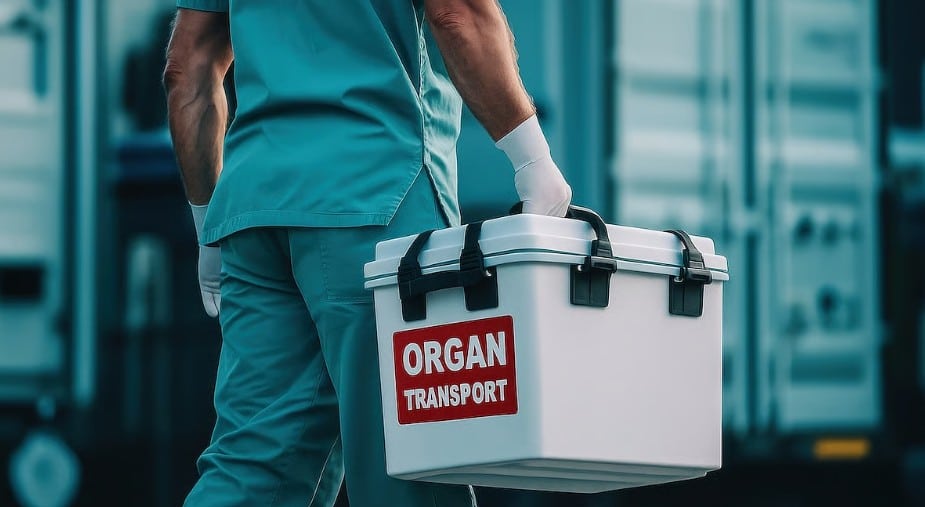
The American organ transplant system is facing a troubling situation: while medical technology advances, public confidence is wavering. Recent data from the Kidney Transplant Collaborative reveals that for the first time since the 2020 pandemic, kidney transplants from deceased donors have declined.
While the dip—116 fewer transplants than in 2024—might seem marginal, it signals a deeper crisis of trust that disproportionately affects Black communities, where the need for life-saving kidneys is highest.
The Catalyst: A Breach of Public Trust
The decline is largely attributed to a series of rare but highly publicized reports involving patients being prepared for organ retrieval while still showing signs of life. Although these procedures were halted before any organs were taken, the damage to public perception was immediate.
You May Also Like

-
The Fallout: According to the analysis, individuals have begun removing themselves from donor registries out of fear.
-
The Impact: Dr. Andrew Howard, president of the Kidney Transplant Collaborative, noted that the drop-off would have been even more severe if not for a small increase in living donations.
-
The Divergence: Interestingly, transplants for hearts, livers, and lungs continued to rise, suggesting that the “trust gap” is currently hitting kidney procurement hardest.
You May Also Like

Why This Matters for Black Patients
The decline in donations is not just a statistical anomaly; it is a health equity emergency. Black Americans are significantly more likely to suffer from kidney failure, but often face longer wait times for a match.
1. High Demand, Low Supply
Of the 100,000+ people currently on the U.S. transplant waiting list, a vast majority are waiting for a kidney. Black patients are overrepresented on these lists due to higher rates of diabetes and hypertension. When the donor pool shrinks, those already marginalized by the system are the first to feel the impact.
2. The Burden of Medical Mistrust
For many Black patients, reports of “signs of life” during organ retrieval aren’t just isolated news stories; they tap into a long, documented history of medical racism and unethical experimentation. This historical context makes it easier for fear and misinformation to take root, leading to lower registration rates within the community.
3. Biological Matching
While organs are not matched by race, a diverse donor pool is critical. Compatible blood types and tissue markers are more likely to be found within the same ethnic background. As mistrust drives potential Black donors away from the registry, the chances for Black recipients to find a “perfect match” dwindle.
RELATED: Why Black Americans Are Waiting Longer for a Kidney Transplant
Restoring the System
Health officials and the Association of Organ Procurement Organizations are now moving into damage control. To save lives, the focus has shifted toward:
-
New Safeguards: Federal data indicate that stricter protocols and evaluation criteria are being implemented to ensure “dead donor” rules are never compromised.
-
Transparency: Experts are calling on hospitals and regulators to be radically transparent about the procurement process to combat fear.
-
Living Donation Advocacy: Because living donations (where a healthy person gives one kidney) are rising, there is a push to educate the public on this safer, more controlled path to transplantation.
“We must unite in restoring public trust and strengthening this critical system,” the Association of Organ Procurement Organizations stated, emphasizing that the system’s survival depends entirely on the public’s faith in it.
What This Means for You
If you or a loved one are on a waiting list, the current climate is understandably concerning. However, health officials stress that the system remains one of the most regulated in the world. New safeguards are being added specifically to protect patients and ensure that every donation is handled with the highest ethical standards.