• Skip to main content
  • Skip to secondary menu
  • Skip to primary sidebar
  • Skip to footer
BlackDoctor.org
Where Wellness & Culture Connect

Where Wellness & Culture Connect

  • Conditions
  • Wellness
  • Lifestyle
  • Longevity
  • Clinical Trials
  • Resources
    • Generational Health
    • Top Blacks in Healthcare 2025
    • Hall Of Fame
    • Clinical Trials Resource Center
    • Obesity Resource Center
    • Cancer Resource Center
    • Wellness on the Yard
    • Immunocompromised Care
    • BDO Resource Library
  • Find A Doctor
  • BDO TV
Home / Health Conditions / Respiratory Syncytial Virus (RSV) / New RSV Shot For Babies: What You Need to Know

New RSV Shot For Babies: What You Need to Know

RSV

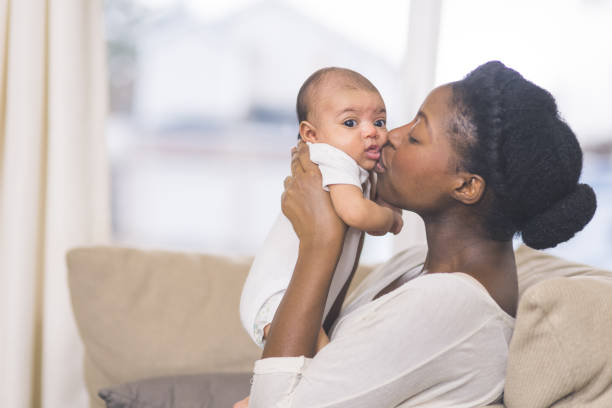
Many parents were pleased last summer when the U.S. Food and Drug Administration authorized a vaccine for newborns and toddlers to battle respiratory syncytial virus (RSV). This came just before the winter respiratory virus season began.

However, getting the shot is not easy.

Often, individuals who get RSV—a common respiratory virus—experience mild, cold-like symptoms and typically make a full recovery within a week or two. However, this is not the case for young children since they are more likely to have severe or even fatal symptoms from the virus.

You May Also Like
Psoriatic Arthritis Can Feel Beyond Your Control. Consider a Different Direction. Learn More Here. Psoriatic Arthritis Can Feel Beyond Your Control. Consider a Different Direction. Learn More Here.

In May, the first RSV vaccination was given the green light and was meant for the elderly.

The First Long-Lasting Shot For Infants

After a delay of two months, the first long-lasting vaccine for RSV-infected newborns (those less than eight months old) was authorized by federal authorities. The Centers for Disease Control and Prevention report that the AstraZeneca drug Nirsevimab, marketed as Beyfortus, may significantly reduce the likelihood of severe RSV by 80 percent. Approximately five months—the duration of the typical RSV season—is covered by a single dosage.

The vaccine-like effect of the injection is short-lived; instead, it protects against RSV by introducing antibodies. The Centers for Disease Control and Prevention (CDC) states newborns lose immunity when antibodies leave their system.

You May Also Like
Get GLP-1s Delivered to You As Low As $99/Month! Get GLP-1s Delivered to You As Low As $99/Month!

Demand for the injection has skyrocketed, and supplies are running low in the middle of the RSV season.

The CDC has released more than 77,000 more doses and will be sent to hospitals and doctors via the Vaccines for Children Program. Drug producers are collaborating with the CDC and FDA to guarantee supply until early next year.

RELATED: RSV: Is Your Baby At Risk?

What Preventive Measures Can Parents Can Take?

The American Lung Association reports that certain children are at a higher risk than others. These include infants who are six months old or younger, premature babies, children under the age of two, children with congenital heart disease, and children with compromised immune systems who suffer from neuromuscular disorders.
In the past, pregnant women could only obtain a vaccine that protected their newborns from severe RSV between weeks 32 and 36 of their pregnancies. You can still get the shot from September to January, and it's highly advised.

According to health organizations like the CDC, American Lung Association, and the California Department of Public Health, there are other simple things that people can do daily to help stop the spread of respiratory infections like RSV:

  • Stay home if you're feeling sick.
  • If you need to leave your home, consider wearing a mask in crowded or indoor areas.
  • Wash your hands with soap and water for at least 20 seconds.
  • Avoid touching your face with unwashed hands.
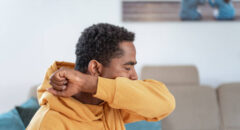
  • Cover your mouth and nose when you cough and sneeze.
  • Avoid close contact with others, such as kissing, shaking hands, and sharing cups and utensils.
  • Clean frequently touched surfaces, including doorknobs and mobile devices.

What Are The Signs Of RSV?

The respiratory system is comprised of two parts: the upper and lower parts. The former contains the nasal passages and throat, while the latter includes the lungs.

An enormous number of people may get the infection. It may be acquired by direct contact with an infected person, through inhalation of viral droplets from their cough or sneeze, through touching a contaminated surface (such as a doorknob) and then touching your face before washing your hands, or through other indirect routes (for example, by kissing the face of a child with RSV). The virus may be spread by close contact with sick individuals, such as in crowded public spaces or through playing with infected children or siblings.

Tables and crib rails are ideal environments for RSV to live for hours, but tissues and palms provide a much more delicate environment.

An infected individual typically takes three to eight days to stop spreading RSV. The Centers for Disease Control and Prevention (CDC) report that viral transmission may persist for up to four weeks beyond the onset of symptoms in some individuals, including newborns and those with compromised immune systems.

The CDC warned that RSV might cause difficulties, but almost all infants receive the virus by age two.

According to health officials, if a parent notices any symptoms of an illness in their kid, they should contact their healthcare practitioner immediately.

According to health officials at Cedars-Sinai Medical Center, the most common symptoms include a runny nose, fever, cough, difficulty breathing, difficulty swallowing, breathing faster than usual, straining the chest or stomach while breathing, and turning blue around the lips and fingers.

Due to the similarity to other symptoms, the hospital recommends that parents take their kids to a doctor for a proper diagnosis.

By Dominique Lambright | Published December 6, 2023

The Latest In Respiratory Syncytial Virus (RSV)

RSV

Doctor & Mom Shares What Every Parent Needs to Know About RSV This Winter

RSV, or Respiratory Syncytial Virus, is a common virus that primarily affects the respiratory tract, often causing cold-like symptoms such as coughing, sneezing, and runny nose. In young children, especially those with developing immune systems, RSV can lead to more read more about Doctor & Mom Shares What Every Parent Needs to Know About RSV This Winter
RSV treatment

10 Ways To Treat RSV At Home

Respiratory syncytial virus (RSV) affects many Americans every year. Some people may contract the highly contagious virus more than once in the same season. While children and older adults can have a few complications from getting RSV, a lot of read more about 10 Ways To Treat RSV At Home
contraceptive

Which Contraceptive Is Right for You? 4 Things to Consider

With so much information online and an overwhelming number of contraceptive options available, choosing the right method can feel daunting. Should you take the pill, get an IUD, try an injection, or opt for an estrogen-free option? These are just read more about Which Contraceptive Is Right for You? 4 Things to Consider
RSV cough

Is Your Cough As Bad As It Sounds?

The common cold-like virus known as respiratory syncytial virus (RSV) may cause a cough in certain people. Though it usually goes away within a few weeks, it's something to watch for in kids, older people, and those with breathing issues. read more about Is Your Cough As Bad As It Sounds?
RSV complications

5 RSV Complications in Older Black Adults

While most adults only get mild symptoms when contracting the respiratory syncytial virus (RSV), the same can’t be said of older adults. According to the Centers for Disease Prevention and Control (CDC), adults over the age of 60 should be read more about 5 RSV Complications in Older Black Adults
Respiratory syncytial virus

RSV: What It Is, Diagnosis, Symptoms & Treatment

Respiratory syncytial virus (RSV) is an infectious respiratory disease that can look and sound a lot like a cold, with coughing, sneezing and a runny nose. But RSV can turn serious and send some patients to the hospital, particularly infants read more about RSV: What It Is, Diagnosis, Symptoms & Treatment

Primary Sidebar

Subscribe to our newsletter

Icon

Caring for You, Too - Caregiver Workbook

1 file(s) 297 KB
Download

Trending Articles

How to Treat Hidradenitis Suppurativa in Black People

How to Treat Hidradenitis Suppurativa in Black People

5 Early Signs of Bed Bugs You Need To Know

early signs of bed bugs

Why I Did Clinical Trials for TNBC: “It Very Likely Saved And Extended My Life”

Why I Did a Trial for TNBC: "It Very Likely Saved And Extended My Life"

This Clinical Trial Reversed a Rare Cause of Vision Loss

This Clinical Trial Reversed a Rare Cause of Vision Loss

What Black Americans Need to Know Clinical Trials for Lung Cancer

lung cancer clinical trials
Find a Culturally Sensitive Doctor

Footer

Where Wellness & Culture Connect

BDO is the world’s largest and most comprehensive online health resource specifically targeted to African Americans. BDO understands that the uniqueness of Black culture - our heritage and our traditions - plays a role in our health. BDO gives you access to innovative new approaches to the health information you need in everyday language so you can break through the disparities, gain control and live your life to its fullest.

Connect With Us

Resource Centers

  • Top Blacks in Healthcare
  • Clinical Trials
  • Wellness on the Yard
  • Cancer
  • Immunocompromised Care
  • About Us
  • Privacy Policy
  • Cookie Policy
  • Terms of Service
  • Careers
  • Advertise With Us
  • Advertising & Sponsorship Policy
  • Daily Vitamina
  • TBH

Copyright © 2025, Black Doctor, Inc. All rights reserved.