
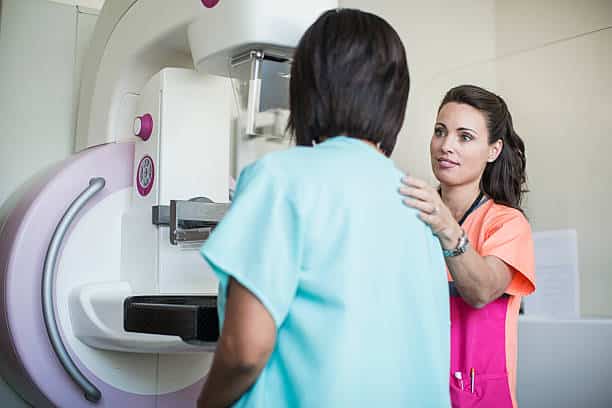
For decades, the standard of care for breast cancer screening has relied on the keen eyes of radiologists, yet even the most experienced experts can sometimes overlook the microscopic markers of a developing tumor. For many women, a “clean” mammogram provides a sense of security that is tragically upended when an aggressive cancer surfaces just months later—cases known as “interval cancers” that are often more advanced and harder to treat. However, a groundbreaking shift is underway.
According to landmark clinical trial results published January 29, 2026, in The Lancet Oncology, artificial intelligence (AI) is proving to be a powerful ally in closing this dangerous gap. By acting as a sophisticated “second set of eyes,” AI-supported screening led to a remarkable 12 percent reduction in interval cancer diagnoses in the years following the initial screen. This data offers more than just improved statistics; it represents a fundamental change in our ability to catch the most aggressive cancers before they have a chance to progress, providing a new level of protection and peace of mind for women everywhere.
What “AI-Assisted Mammograms” Actually Mean
In a traditional screening, your health depends entirely on a radiologist’s ability to spot a tiny abnormality among thousands of images. While these experts are highly trained, they are human—factors like eye fatigue, dense breast tissue, or extremely subtle patterns can lead to missed diagnoses.
You May Also Like
AI-assisted mammography changes this by introducing a sophisticated, high-speed partner into the reading room. Here is a breakdown of what that partnership looks like behind the scenes:
1. A Digital “Second Pair of Eyes”
AI software is trained on millions of mammograms where the outcome is already known. It learns to recognize the mathematical signatures of cancer—tiny calcifications, structural distortions, or asymmetrical textures—that may be invisible to the human eye.
Instead of just looking at the raw scan, the radiologist sees an AI-enhanced version where suspicious areas are flagged with digital “markers” or “heat maps,” signaling exactly where to focus their attention.
You May Also Like

2. Intelligent Triage (Workflow Optimization)
One of the most powerful ways AI is used is by sorting the “stack” of scans. In the MASAI trial and other clinical settings, AI acts as a triage tool:
- Low-Risk Scans: The AI identifies scans that are highly likely to be normal. These are sent to a single radiologist for a quick confirmation.
- High-Risk Scans: If the AI flags a scan as suspicious, it is automatically prioritized for an intensive “double-read” by two independent experts. This ensures that the most complex cases get the most human eyes.
3. Beyond Detection: Predicting the Future
Modern AI, such as MammoScreen and Prognosia Breast (which recently received FDA Breakthrough designation), does more than find cancer that is already there.
The 5-Year Risk Score: New AI tools can analyze your current “normal” tissue to identify hidden biomarkers of future risk. This allows doctors to tell a patient not just that they are clear today, but whether they have a high likelihood of developing cancer in the next five years, allowing for personalized preventative care.
4. A Tool for Dense Breast Tissue
For women with dense breasts, traditional mammograms can be like “finding a snowball in a blizzard.” AI is particularly effective here because it uses pixel-level analysis to see through dense tissue that might otherwise obscure a tumor from a human reader.
AI is a support tool, not a replacement. A radiologist remains the “pilot” in the driver’s seat, using the AI’s data to make the final clinical diagnosis. It’s the difference between a pilot flying manually and a pilot flying with the help of high-tech radar and autopilot—the human is still in charge, but the flight is significantly safer
How the Tech Found 29% More Cancers
Researchers previously reported a 29 percent increase in cancer detection without an increase in false positives when doctors used AI-supported mammography.
“Our study is the first randomized controlled trial investigating the use of AI in breast cancer screening and the largest to date looking at AI use in cancer screening in general,” said senior researcher Dr. Kristina Lang, an associate professor at Lund University in Sweden.
“It finds that AI-supported screening improves the early detection of clinically relevant breast cancers, which led to fewer aggressive or advanced cancers diagnosed in between screenings,” Lang said in a news release.
Why Fewer Aggressive Cancers Occurred Between Screenings
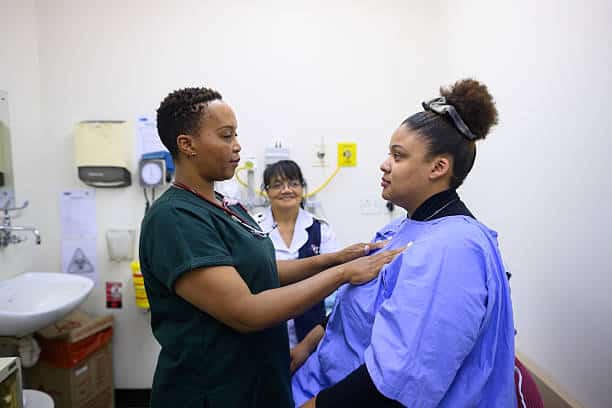
Previous studies have estimated that as many as 30 percent of breast cancers diagnosed after a negative screening could have been spotted from that mammogram, researchers said in background notes.
Doctors and researchers have been training AI programs to help improve analysis of mammograms, with the aim of catching those hard-to-see cancers.
However, it’s been an open question whether AI-aided breast cancer screening actually translates into a reduction in cancers found between mammograms, researchers said.
RELATED: Have Dense Breasts? Here’s Why a Standard Mammogram Might Not Be Enough
Earlier Diagnosis and Better Outcomes
For this new study, more than 100,000 Swedish women undergoing mammography screening were assigned to either AI-supported mammography or standard screening, in which two radiologists evaluated each mammogram. The screenings took place between April 2021 and December 2022.
The AI used in this clinical trial had been trained and tested using more than 200,000 prior examinations from multiple hospitals across more than 10 countries, researchers said.
In the AI-supported mammogram group, 81 percent of cancer cases were detected at screening compared to 74 percent in the standard screening group, the study said.
Between screenings, about 1.55 cancers per 1,000 women were detected in the AI group and 1.76 per 1,000 in the control group.
Cancers also tended to be caught at an earlier, more treatable stage with AI assistance.
There were 16 percent fewer invasive cancers, 21 percent fewer large cancers and 27 percent fewer aggressive cancers in the AI group compared to standard screening, the study said.
The rates of false positives were about the same, 1.5 percent in the AI group and 1.4 percent in the control group.
“Our study does not support replacing health care professionals with AI as the AI-supported mammography screening still requires at least one human radiologist to perform the screen reading, but with support from AI,” said lead researcher Jessie Gommers, a doctoral student at Radboud University Medical Center in The Netherlands.
“However, our results potentially justify using AI to ease the substantial pressure on radiologists’ workloads, enabling these experts to focus on other clinical tasks, which might shorten the waiting times for patients,” Gommers said in a news release.
Reducing Wait Times and Doctor Shortages
Earlier results reported from the clinical trial showed a 44 percent reduction in radiologists’ workload with AI assistance.
However, more study is needed to see if AI could help breast cancer screening in other countries, or could help less experienced radiologists read mammograms, researchers said.
“Further studies on future screening rounds with this group of women and cost-effectiveness will help us understand the long-term benefits and risks of using AI-supported mammography screening,” Lang said.
“If they continue to suggest favorable outcomes for AI-supported mammography screening compared with standard screening, there could be a strong case for using AI in widespread mammography screening, especially as we face staff shortages,” she said.
What Black Women Should Ask Their Providers
Because Black women are 40 percent more likely to die from breast cancer and often have denser breast tissue that can hide tumors, AI-assisted screening is a vital tool for equity. At your next appointment, consider asking:
- “Does this facility use AI-supported software to help read mammograms?”
- “Does the AI used here help identify aggressive subtypes or specifically assist with dense breast tissue?”
- “Can the AI provide a personalized 5-year risk assessment based on my scan today?”