
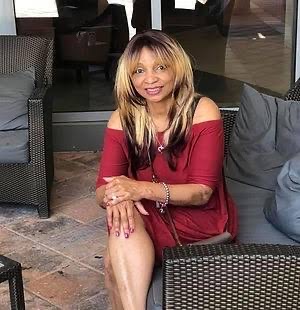
My cancer journey began in 2015 during a routine mammogram that revealed a mass in my breast, which turned out to be Triple-Negative Breast Cancer (TNBC), a rare and aggressive form of the disease. In my 50s and coming from a successful finance background, I found myself thrust into a battle against a formidable opponent, prompting me to embark on a journey of research and education to understand my treatment options beyond traditional chemotherapy.
At first, when I heard Triple Negative, I thought it was good because it was “negative”. Until I learned that it is called TNBC because it does not have receptors for the hormone estrogen, it does not have receptors for the hormone progesterone, it does not have higher than normal levels of the protein HER2 and anyone can develop triple-negative breast cancer, but the cancer tends to be more common in women who are younger than 40, who are Black and who have a BRCA1 mutation.
Dealing with my new diagnosis
Throughout it all, I felt scared and in the dark about so much of the science and medical terms being thrown around. As a non-scientist who had hated subjects like biology, I knew next to nothing about cancer or clinical trials going into this. But I made it my mission to learn as much as possible. However, speaking to the pathologist at Johns Hopkins opened my eyes to how serious this was.
Despite my initial reluctance towards chemotherapy due to the side effects I witnessed in my stepfather years earlier, I decided to get treated at the Massey Cancer Center in Richmond. My treatment plan was surgery first, followed by 14 rounds of harsh chemotherapy that caused permanent nerve damage in my feet. Then I did an accelerated partial radiation regimen, which was part of a clinical trial at the time.
You May Also Like

Survivorship for me means a lot of things and if it were not for clinical trials, I wouldn’t be here sharing my survivorship story today.
Doing my own research
When my treatment was all over, one doctor simply told me to go home and wait—if the cancer came back, I’d feel unresolving pain. Can you imagine how terrifying that was to hear? I refused to just wait for a potential recurrence.
As I navigated through the challenges of chemotherapy, I also began to inquire about clinical trials for breast cancer, hoping to find more proactive and targeted treatments. My search led me to a groundbreaking clinical trial at Penn Medicine’s Abramson Cancer Center, known as the CLEVER study. This trial aimed to target and eliminate dormant cancer cells in the bone marrow to prevent cancer recurrence, offering a promising avenue for patients like me with Triple-Negative Breast Cancer.
Despite the logistical and financial hurdles of participating in a trial located far from my home in Virginia, my determination and resilience propelled me forward. With the support of my family and community, I overcame the initial obstacles and enrolled in the CLEVER study, embarking on a new chapter in my cancer journey.

The trial, combined with my faith, is what I truly credit with saving my life and keeping me in remission for 9 years now. Without it, who knows if my lingering dormant cells would have awoken and spread.
The results of my clinical trial
Throughout my participation in the trial, I experienced positive outcomes as the experimental treatment began to show promising results in destroying two dormant cancer cells of three in my bone marrow. Encouraged by my progress, I became increasingly aware of the lack of diversity in clinical trials and the barriers faced by minority patients in accessing research opportunities.
Driven by a desire to advocate for greater representation and inclusivity in clinical trials, I founded 501(c)(3) non-profit organizations, Saving Pennies 4 A Cure and Trials of Color, dedicated to supporting cancer patients, especially women of color, in their research endeavors. Through my outreach efforts and community engagement, I sought to empower individuals to consider clinical trial participation as a proactive step towards improving their own health outcomes and contributing to advancements in cancer research.
 Today, through my unwavering dedication and advocacy, I have not only transformed my own cancer journey but have also become a catalyst for positive change in the fight against cancer disparities and inequalities by helping design clinical trials that are inclusive for all.
I now know firsthand the outstanding care and close observation you receive in a clinical trial. You get frequently monitored, not just sent home to wait for symptoms.
How clinical trials can be more accessible to Black Americans
Of course, historic injustices like the Tuskegee study understandably make people distrustful. But we have strong patient advocate representation on governing boards now. There are stringent laws and protocols in place to protect participants. We receive thorough training to pay careful attention to any possible side effects.
The health care system needs to put real investment and action into partnering with grassroots organizations to reach more Black people. It’s not enough to speak at a few churches. Get out into the communities in a consistent, persistent way. Transportation assistance programs need to be properly budgeted and publicized. Put patient advocates who have been through trials themselves in waiting rooms so people can freely ask questions.
Bringing more Black people into clinical trials could be a matter of life and death. We make up just 5 percent of participants despite being disproportionately affected by many diseases. Those statistical disparities will never improve if our lives and experiences aren’t better represented in the research.
I hope sharing my story and perspective can inspire more people to overcome fear and misconceptions about clinical trials. These trials give patients access to promising new treatments, outstanding monitoring, and a path towards advancing medical care for all populations. Having been through it myself, I can’t recommend it enough—it very likely saved and extended my life.