
• Skip to main content
  • Skip to secondary menu
  • Skip to primary sidebar
  • Skip to footer
BlackDoctor.org
Where Wellness & Culture Connect

Where Wellness & Culture Connect

  • Conditions
  • Wellness
  • Lifestyle
  • Longevity
  • Clinical Trials
  • Resources
    • Generational Health
    • Top Blacks in Healthcare 2025
    • Hall Of Fame
    • Clinical Trials Resource Center
    • Obesity Resource Center
    • Cancer Resource Center
    • Wellness on the Yard
    • Immunocompromised Care
    • BDO Resource Library
  • Find A Doctor
  • BDO TV
Home / Longevity / Psoriasis Learning Center / What Causes Psoriasis Rash?

What Causes Psoriasis Rash?

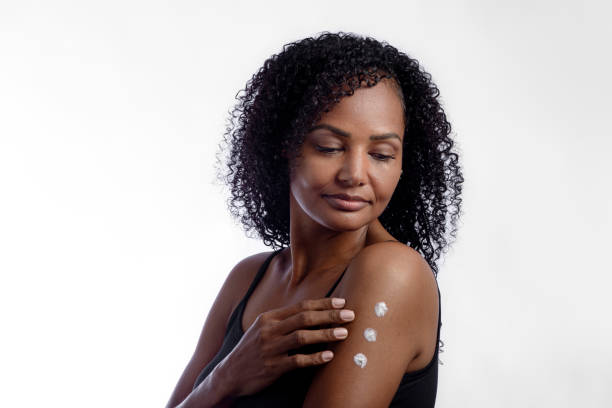
psoriasis rash

When should you worry about a rash?

Rashes may look alike, but while over-the-counter medications can treat some rashes, others can signal a more serious condition such as psoriasis, the American Academy of Dermatology (AAD) says.

“It is important to watch your symptoms closely at the onset of a new rash,” says Dr. Mallory Abate, a board-certified dermatologist in Baton Rouge, La. “Making note of any changes or new developments are instrumental to determining the severity of the medical condition and if immediate assistance is needed.”

You May Also Like
Psoriatic Arthritis Can Feel Beyond Your Control. Consider a Different Direction. Learn More Here. Psoriatic Arthritis Can Feel Beyond Your Control. Consider a Different Direction. Learn More Here.

One key sign of bigger trouble is if you have a rash that is infected. Evidence of infection might include pus, yellow or golden crusts, pain, swelling, warmth or an unpleasant smell. The skin around an infection might look red, purple or brown, you might feel very hot or cold, have swollen lymph nodes, or a fever.

“If you have a rash and your symptoms are not improving, make an appointment to see a board-certified dermatologist,” Abate said in an AAD news release.

RELATED: 10 Signs It’s Time to See a Doctor About Your Rash

You May Also Like
Get GLP-1s Delivered to You As Low As $99/Month! Get GLP-1s Delivered to You As Low As $99/Month!

What Causes Psoriasis Rash?

The exact cause of psoriasis is not fully understood, but it is believed to involve an abnormal immune response that leads to rapid skin cell growth. Normally, skin cells go through a cycle of growth and shedding for a month.

However, in psoriasis, this process is accelerated, with new skin cells rising to the surface in a matter of days instead of weeks. This rapid turnover results in the accumulation of cells on the skin's surface, forming the characteristic plaques.

Symptoms of Psoriasis Rash

  • Red patches of skin covered with silvery scales
  • Dry, cracked skin that may bleed
  • Itching, burning, or soreness
  • Thickened, pitted, or ridged nails
  • Stiff and swollen joints (in some types of psoriasis)

Types of Psoriasis

Psoriasis can present in several forms, including:

  1. Plaque Psoriasis: The most common form, characterized by raised, red patches covered with a silvery white buildup of dead skin cells.
  2. Guttate Psoriasis: Often triggered by a bacterial infection, this type appears as small, dot-like lesions.
  3. Inverse Psoriasis: Affects skin folds such as the armpits, groin, and under the breasts, appearing as smooth, red patches.
  4. Pustular Psoriasis: Characterized by white pustules surrounded by red skin, often localized to the hands and feet.
  5. Erythrodermic Psoriasis: A severe and rare form that can cover the entire body with a red, peeling rash, resembling a severe burn.

Managing Psoriasis Rash

While there is no cure for psoriasis, various treatment options can help manage symptoms and improve quality of life:

  1. Topical Treatments: These include corticosteroids, vitamin D analogs, retinoids, and coal tar preparations, which are applied directly to the skin to reduce inflammation and slow down skin cell growth.
  2. Phototherapy: Also known as light therapy, this treatment involves exposing the skin to ultraviolet light under medical supervision. It can help slow down the rapid growth of skin cells and reduce inflammation.
  3. Systemic Medications: For more severe cases, oral or injected medications that affect the immune system may be prescribed. These medications can help reduce inflammation and slow down the rapid turnover of skin cells.
  4. Lifestyle Changes: Managing stress, avoiding triggers like certain medications, infections, and injuries to the skin, and maintaining a healthy lifestyle with a balanced diet and regular exercise can help reduce flare-ups.
  5. Supportive Therapies: These can include moisturizers to keep the skin hydrated, gentle skincare routines to avoid irritation, and avoiding excessive scratching or picking at the plaques to prevent infection.

Psoriasis is a chronic condition that requires long-term management. While there is no one-size-fits-all approach to treatment, working closely with healthcare providers to develop a personalized treatment plan can help individuals with psoriasis effectively manage their symptoms and improve their quality of life. Additionally, raising awareness and understanding about psoriasis can help reduce stigma and support those living with this condition.

By Jessica Daniels, BDO Staff Writer | Published January 29, 2024

The Latest In Psoriasis Learning Center

soft shirts

Soft Shirts Only: How I Dress for Psoriasis Without Losing Style

Because Comfort Is Non-Negotiable — but So Is Feeling Like You If you’ve ever had to choose between a cute outfit and your skin feeling like it’s on fire, you’re not alone. Living with psoriasis means your skin isn’t just read more about Soft Shirts Only: How I Dress for Psoriasis Without Losing Style
psoriasis triggers

Psoriasis Triggers: It’s Not Always What You Think

Psoriasis can feel like an uninvited guest that shows up on your skin and refuses to leave. Those red, scaly patches—often itchy or downright painful—can flare up at the worst times, leaving you frustrated and wondering, “What set this off read more about Psoriasis Triggers: It’s Not Always What You Think
psoriasis

Day 1: Just Been Diagnosed with Psoriasis

It might not have been easy to hear that you’ve been diagnosed with psoriasis, but now that you know, it’s easier for you to learn how to manage the condition. In this chronic skin condition, your body overproduces skin cells. read more about Day 1: Just Been Diagnosed with Psoriasis
foods to avoid with psoriasis

4 Foods to Avoid if You Have Psoriasis

A chronic autoimmune condition characterized by the rapid proliferation of skin cells, Psoriasis can leave painful, unsightly, and emotionally distressing patches all over your skin. Fortunately, by understanding the interplay between diet and psoriasis, many of these flare-ups can be read more about 4 Foods to Avoid if You Have Psoriasis
contraceptive

Which Contraceptive Is Right for You? 4 Things to Consider

With so much information online and an overwhelming number of contraceptive options available, choosing the right method can feel daunting. Should you take the pill, get an IUD, try an injection, or opt for an estrogen-free option? These are just read more about Which Contraceptive Is Right for You? 4 Things to Consider
psoriasis treatment

Psoriasis Treatment Breaking the Bank? It Doesn’t Have To!

If you have psoriasis, you already know. A chronic autoimmune condition known for scaly patches and skin issues, psoriasis is more than just physical discomfort. It can also take a serious toll on your bank account! From expensive topical treatments read more about Psoriasis Treatment Breaking the Bank? It Doesn’t Have To!

Primary Sidebar

Subscribe to our newsletter

Icon

Caring for You, Too - Caregiver Workbook

1 file(s) 297 KB
Download

Trending Articles

How to Treat Hidradenitis Suppurativa in Black People

How to Treat Hidradenitis Suppurativa in Black People

5 Early Signs of Bed Bugs You Need To Know

early signs of bed bugs

Why I Did Clinical Trials for TNBC: “It Very Likely Saved And Extended My Life”

Why I Did a Trial for TNBC: "It Very Likely Saved And Extended My Life"

This Clinical Trial Reversed a Rare Cause of Vision Loss

This Clinical Trial Reversed a Rare Cause of Vision Loss

What Black Americans Need to Know Clinical Trials for Lung Cancer

lung cancer clinical trials
Find a Culturally Sensitive Doctor

Footer

Where Wellness & Culture Connect

BDO is the world’s largest and most comprehensive online health resource specifically targeted to African Americans. BDO understands that the uniqueness of Black culture - our heritage and our traditions - plays a role in our health. BDO gives you access to innovative new approaches to the health information you need in everyday language so you can break through the disparities, gain control and live your life to its fullest.

Connect With Us

Resource Centers

  • Top Blacks in Healthcare
  • Clinical Trials
  • Wellness on the Yard
  • Cancer
  • Immunocompromised Care
  • About Us
  • Privacy Policy
  • Cookie Policy
  • Terms of Service
  • Careers
  • Advertise With Us
  • Advertising & Sponsorship Policy
  • Daily Vitamina
  • TBH

Copyright © 2025, Black Doctor, Inc. All rights reserved.